/ ARTISTIC JOURNALISM FIELD GUIDE
REPORTING
AS PUBLIC FORM.
Artistic Journalism uses deliberate form as part of the reporting method. The work still depends on sources, verification, context, consent, and editorial responsibility. What changes is how the public meets the evidence.
/ DEFINITION
WORKING DEFINITIONArtistic Journalism turns reporting into public form.
It is factual journalism shaped through a deliberate form: a stage, game, comic, immersive space, exhibition, sound work, public installation, literary structure, reconstruction, or interactive system.
The form is not decoration. It is part of the editorial method. It changes how evidence is encountered, inspected, remembered, and discussed.
Core definition
What is Artistic Journalism?
A precise working definition: factual reporting shaped through deliberate public form, without losing verification, sourcing, consent, or editorial responsibility.
Field distinction
Artistic Journalism vs Arts Journalism
The essential difference: arts journalism reports on culture. Artistic Journalism uses artistic, spatial, live, interactive, or narrative form to report reality.
Field lineage
History of Artistic Journalism
A lineage of reporters, editors, artists, designers, performers, and investigators who made facts public through pages, rooms, maps, stages, games, comics, sound, and exhibitions.
/ SHORT LINEAGE
A rough timeline of public form.
Artistic Journalism did not appear from nowhere. It sits near older experiments in factual voice, staged news, documentary prose, drawn testimony, playable systems, public listening, and spatial evidence.
1719
Narrative as document
Robinson Crusoe is fiction, but its journal-like structure, travel texture, and documentary surface help explain why form can make a public feel close to evidence.
1887
Reporting from inside
Nellie Bly enters an asylum to report conditions from inside the institution. Method changes what can be seen.
1930s
News staged for a room
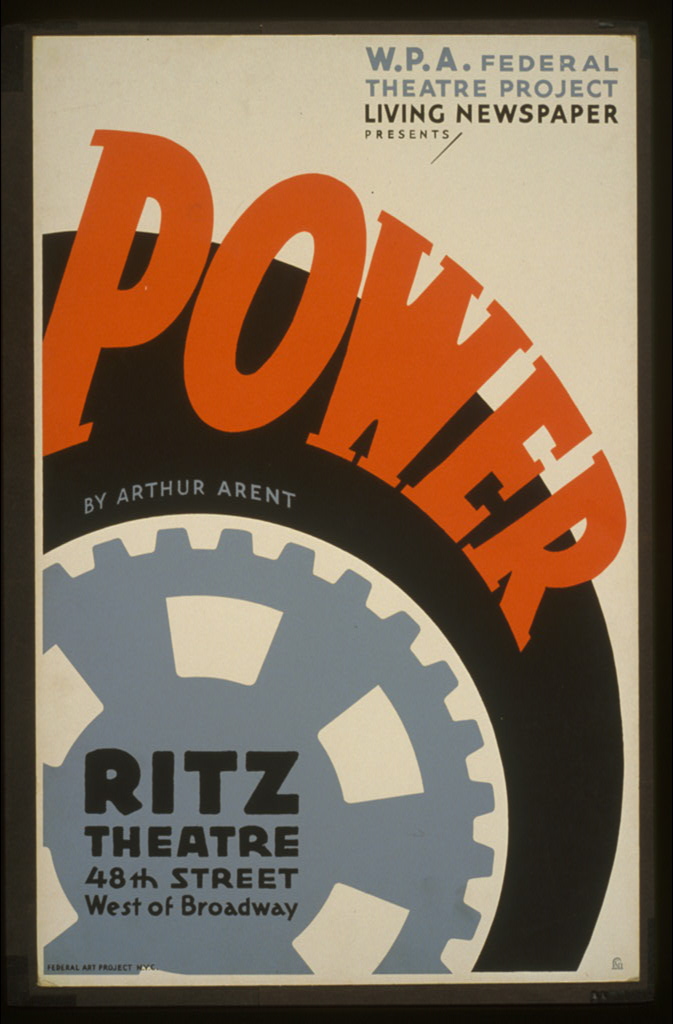
Living Newspaper turns current events, public policy, and social evidence into theatre for collective attention.
1965
Reported prose as architecture
Truman Capote's In Cold Blood helps fix the idea that factual reporting can use scene, structure, pacing, and literary pressure.
1990s
Comics as testimony
Comics journalism develops a visual language for conflict, memory, witness, and places that cannot always be photographed.
2010s
Rules, presence, systems
Newsgames, VR reporting, data investigations, and immersive documentary test how rules, maps, and spatial presence can carry public evidence.
Now
Research in public
Investigations increasingly use models, exhibitions, live formats, sound, accessible interfaces, and public installations to make evidence inspectable.
/ YOU ALREADY KNOW THIS
THE FIELD HAS MANY NAMES.
You may have met parts of it as literary nonfiction, documentary theatre, comics journalism, public radio, newsgames, VR reporting, or a museum wall. Think Robinson Crusoe as a fictional ancestor of documentary-feeling narrative, Truman Capote as reported prose, and Living Newspaper as facts staged for a room.
/ SUBPAGES
PUBLIC FORMS
These are the doors into the field. Each page explains one way reporting can meet the public: a room, a stage, a rule system, a drawing, a sound work, a public surface, a reconstruction, or a written form.
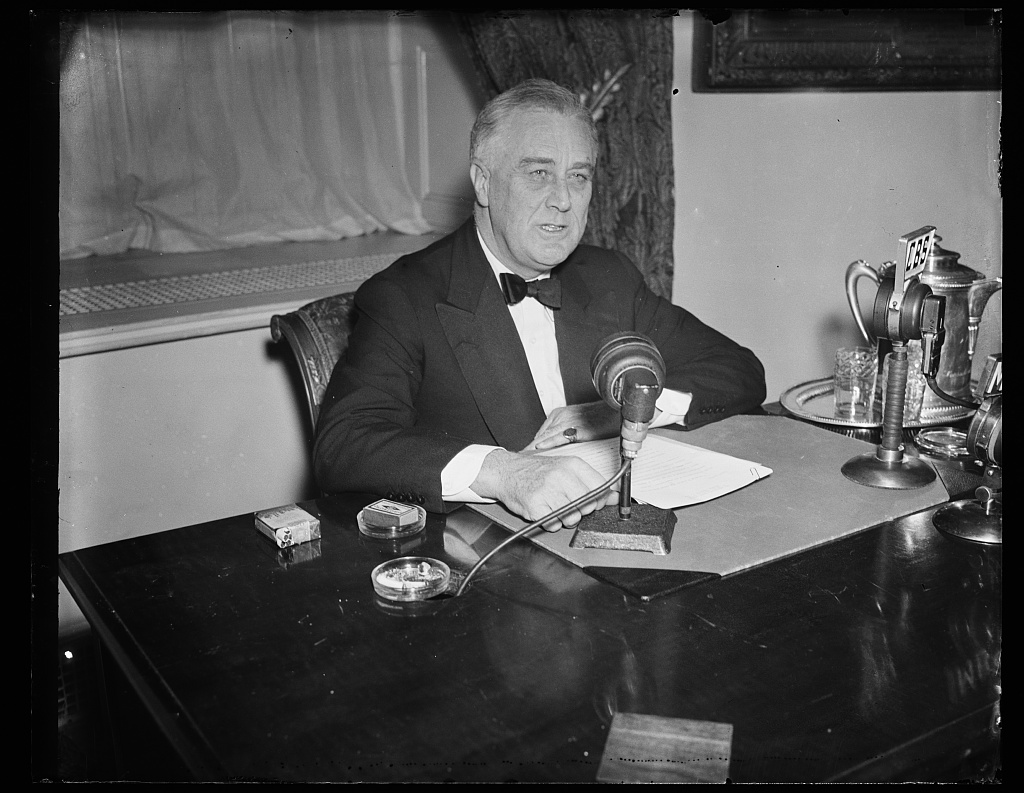
Live Journalism
Live journalism turns verified reporting into a room: stage, voice, timing, audience trust, and public attention without abandoning evidence.
Open page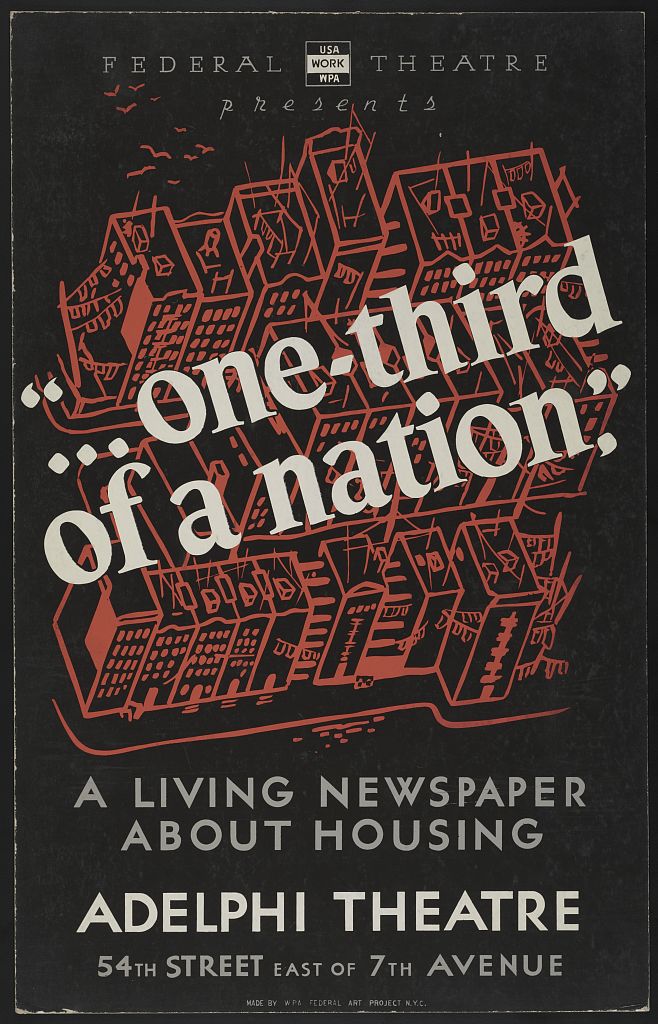
Documentary Theatre
Documentary theatre turns documents, testimony, transcripts, archives, and interviews into public performance while keeping the source contract visible.
Open page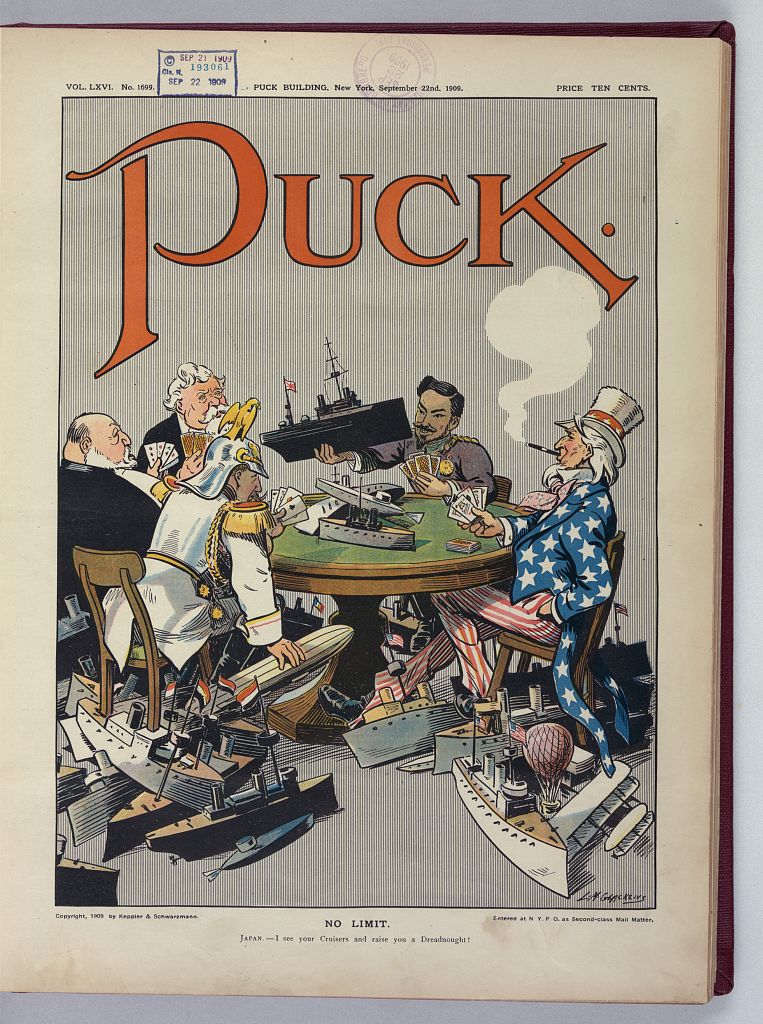
Newsgames
Newsgames are systems journalism: reported public issues translated into rules, incentives, constraints, failure, and consequence.
Open page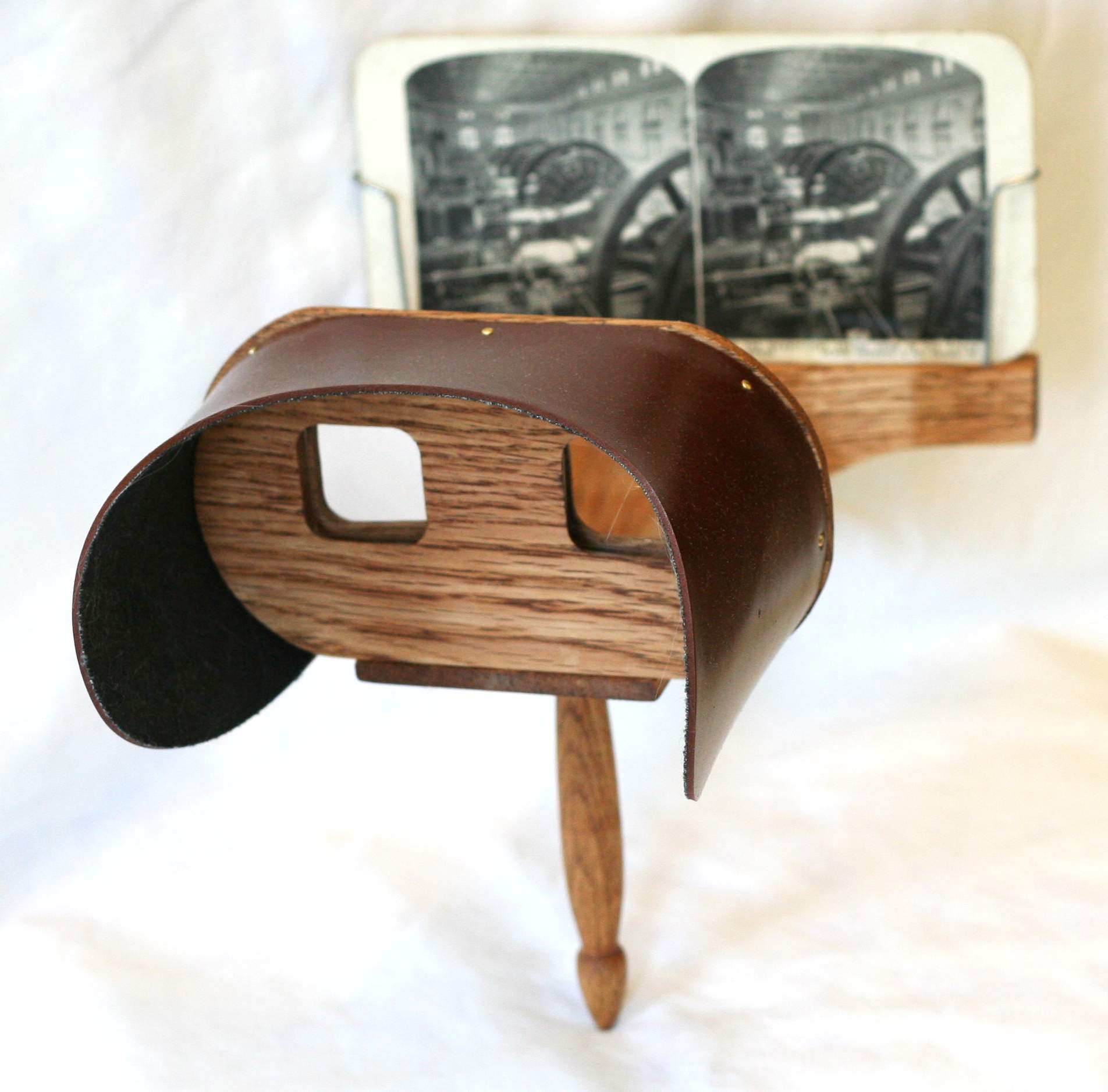
Immersive Journalism
Immersive journalism uses VR, AR, 360 video, maps, spatial audio, and reconstruction to report place, perspective, and scale while disclosing limits.
Open page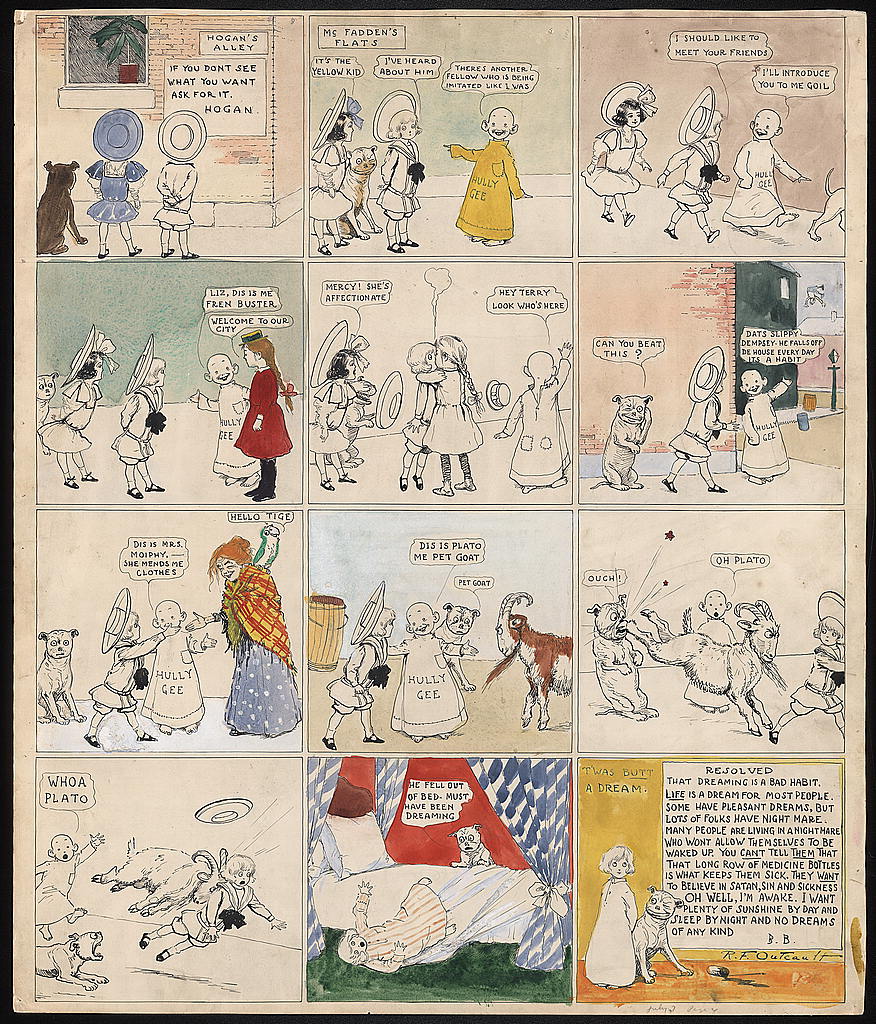
Comics Journalism
Comics journalism carries reported nonfiction through drawing, sequence, captions, panels, interviews, memory, and visual reconstruction.
Open page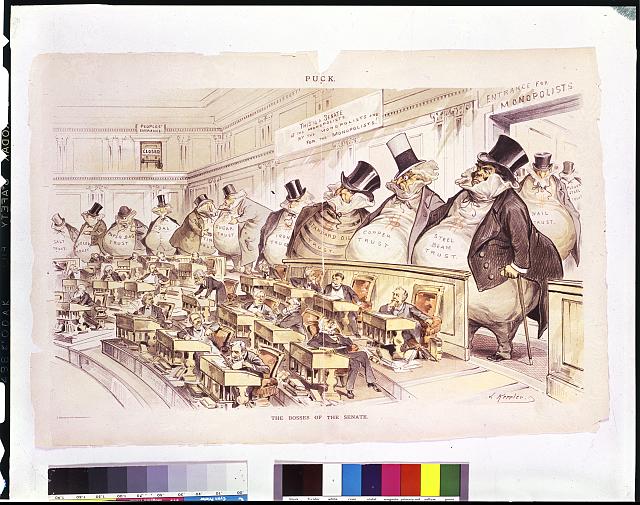
Illustrative Journalism
Illustrative journalism uses drawing, visual annotation, diagrams, courtroom sketches, field observation, and evidence keys as reporting methods, not ornament.
Open page
Research-led Artistic Journalism
Public evidence built through maps, models, archives, OSINT, and spatial analysis, with a traceable method that survives independent scrutiny.
Open page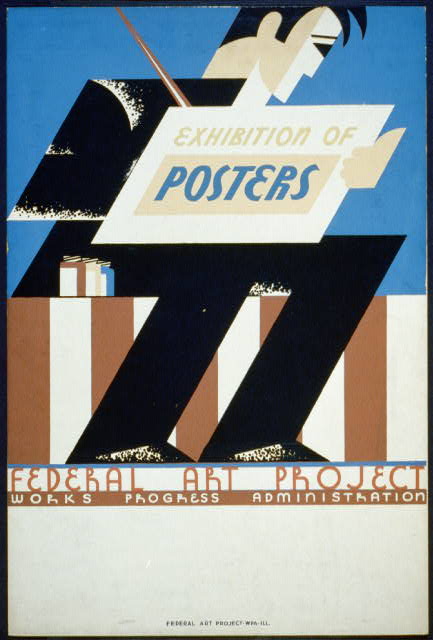
Public Installations
Verified reporting moved into civic space through walls, exhibitions, projections, objects, posters, and evidence rooms.
Open page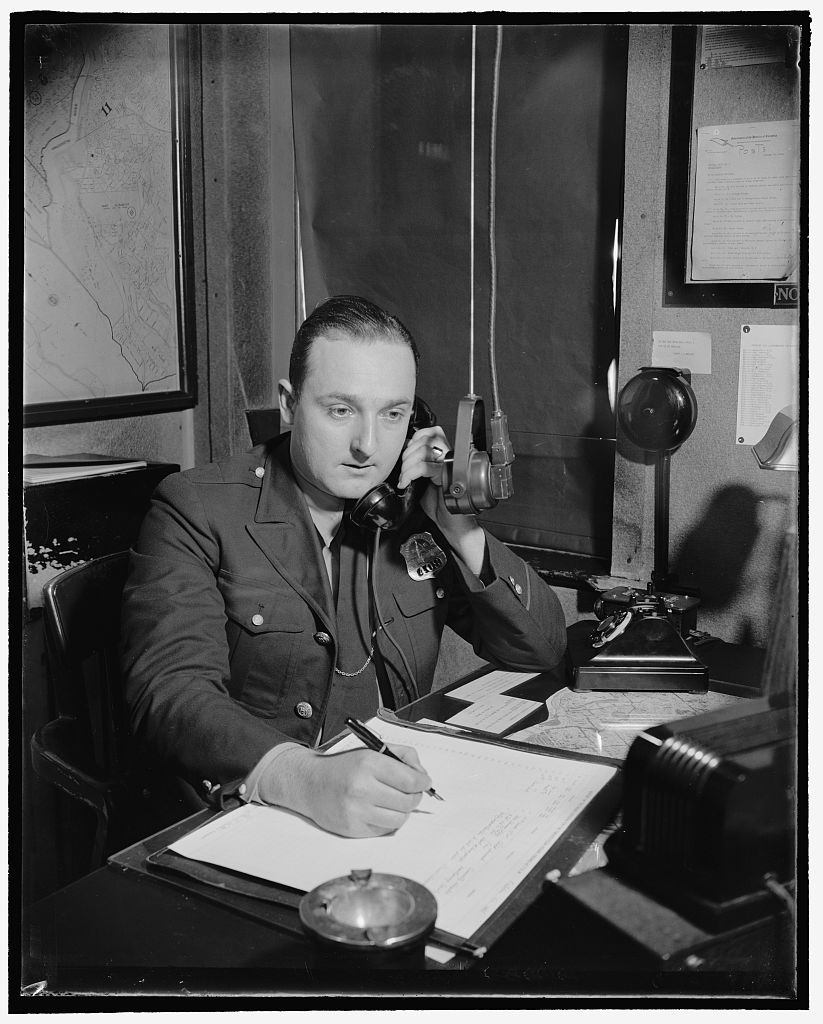
Audio and Accessibility
Journalism built through listening, transcripts, screen-reader structure, audio description, sonification, and sensory access.
Open page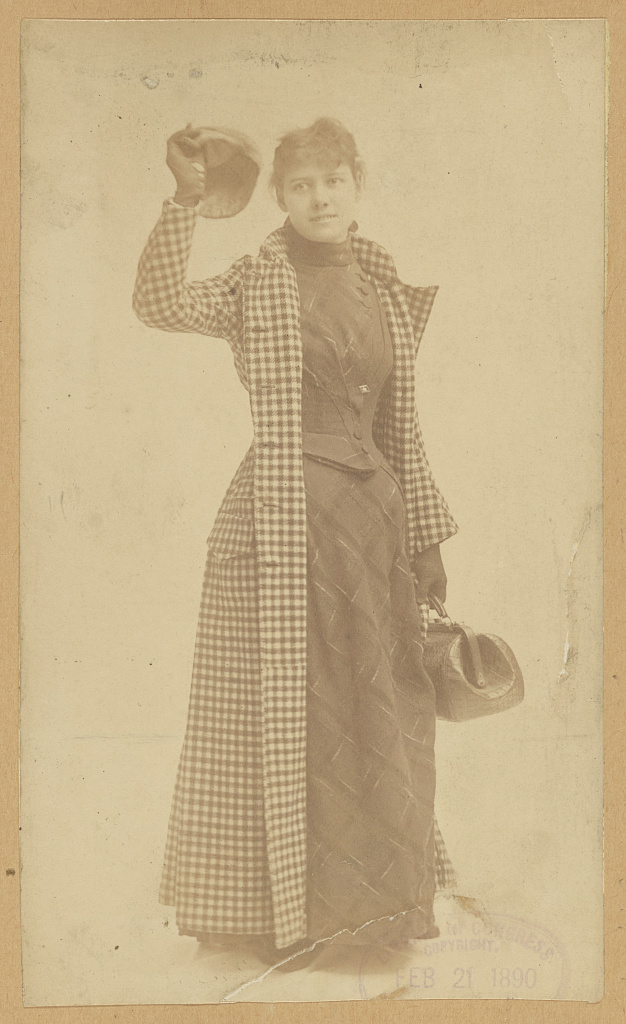
Literary Journalism
Reported nonfiction where immersion, scene, structure, and voice carry fact without breaking the reader's trust.
Open page/ FIELD REFERENCES
EXAMPLES
A visual doorway into the full case-study index: live rooms, games, comics, evidence maps, exhibitions, sound, literary reporting, and spatial work.
01 / STAGE FACTS
Living Newspaper
02 / PLAYABLE POLITICS
Rules and pressure
03 / SPATIAL MEDIA
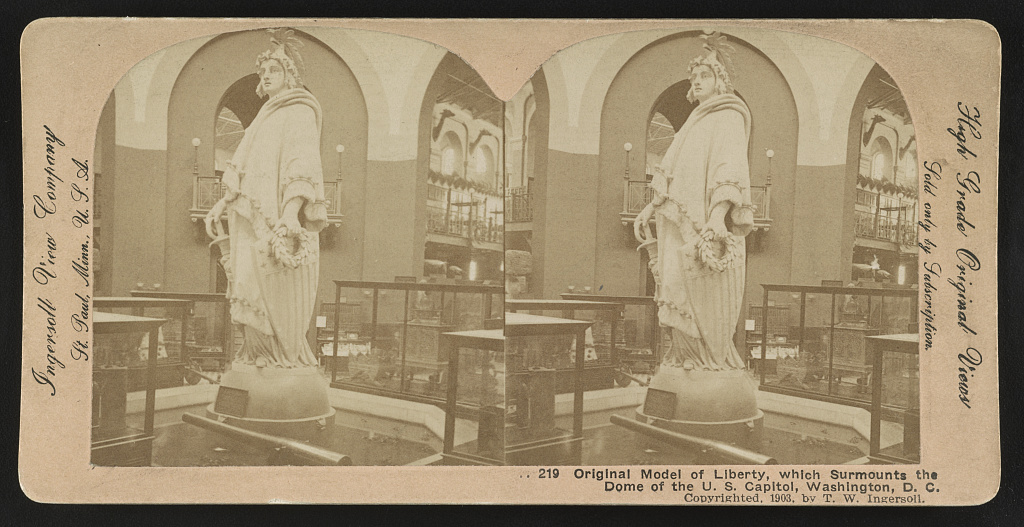
Depth before VR
04 / REPORTED PROSE
Nellie Bly
05 / DRAWN REPORTING
Sequential evidence
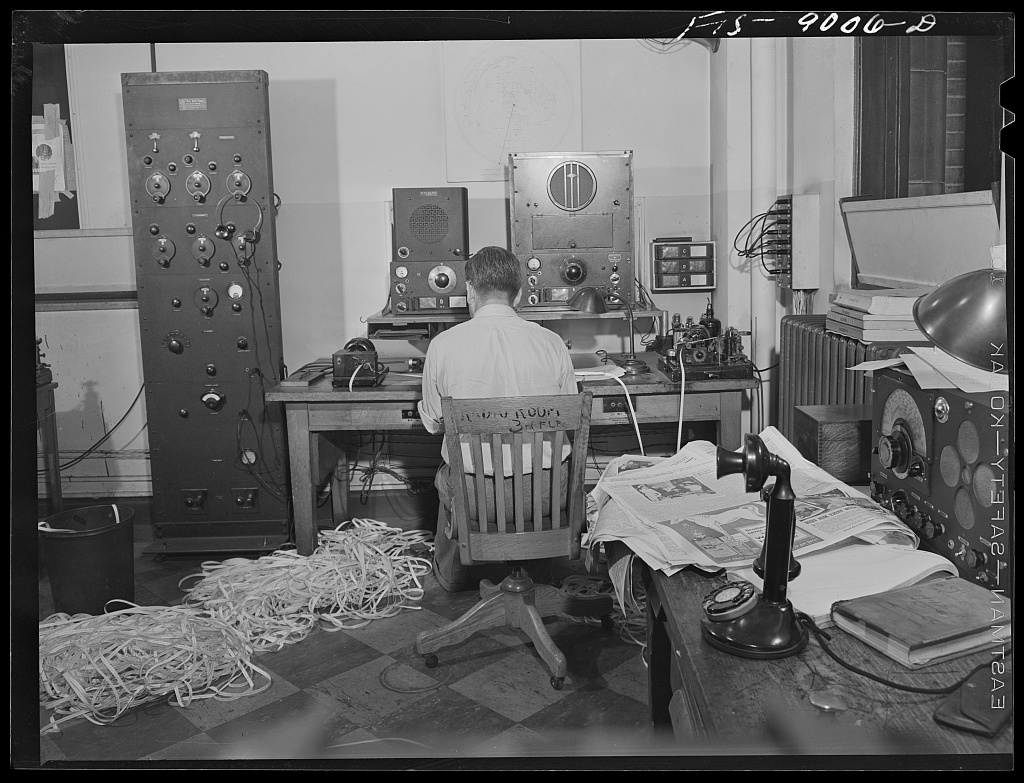
06 / PUBLIC LISTENING
Radio room
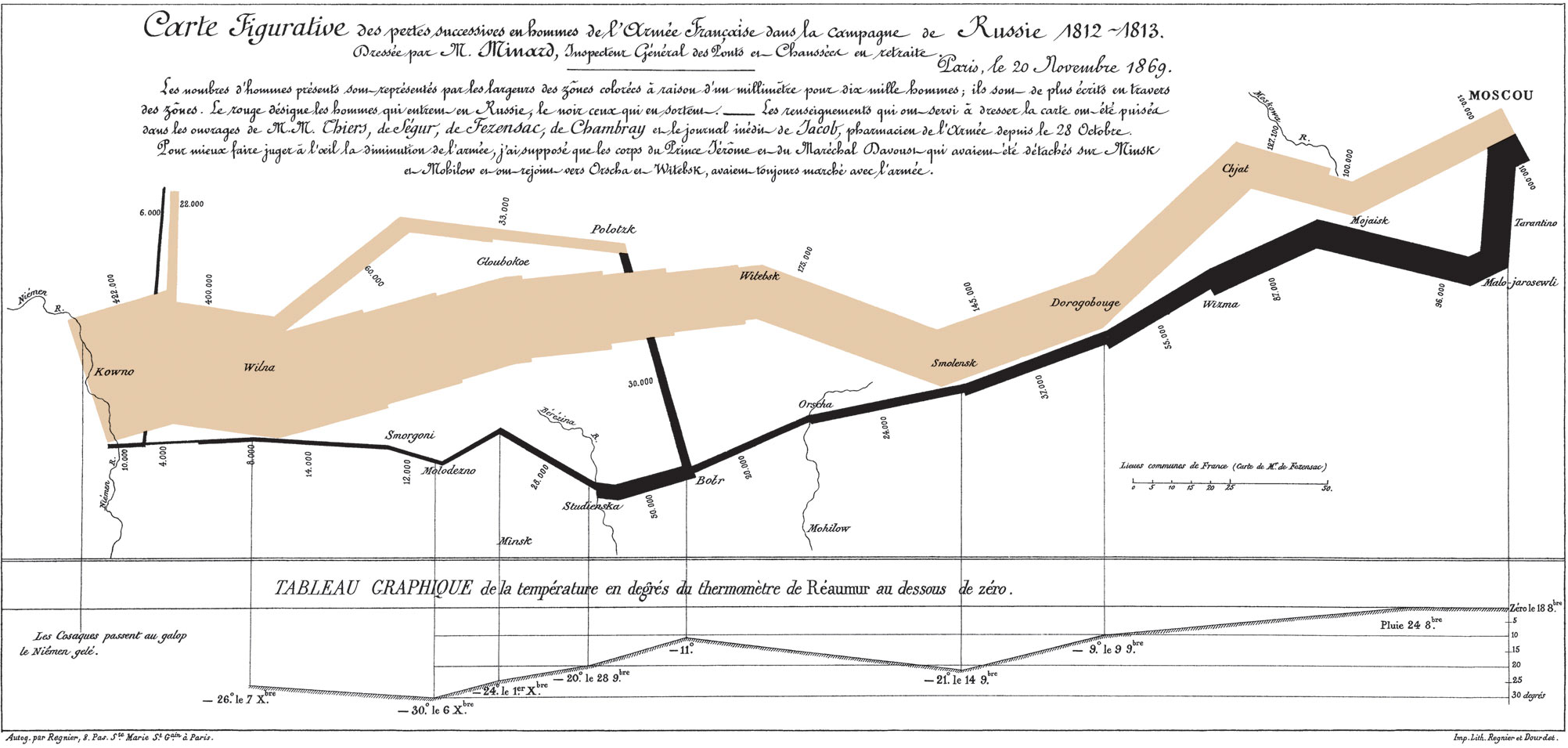
07 / EVIDENCE MAP
Minard model
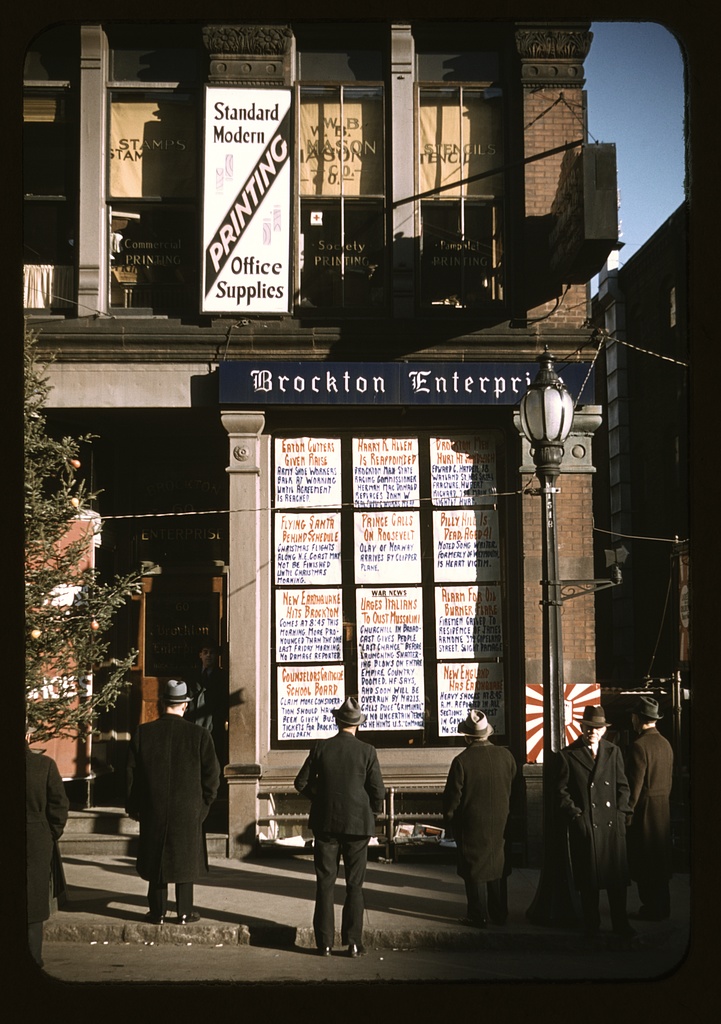
08 / CIVIC DISPLAY
Headline wall
09 / PUBLIC HEALTH
Cholera map
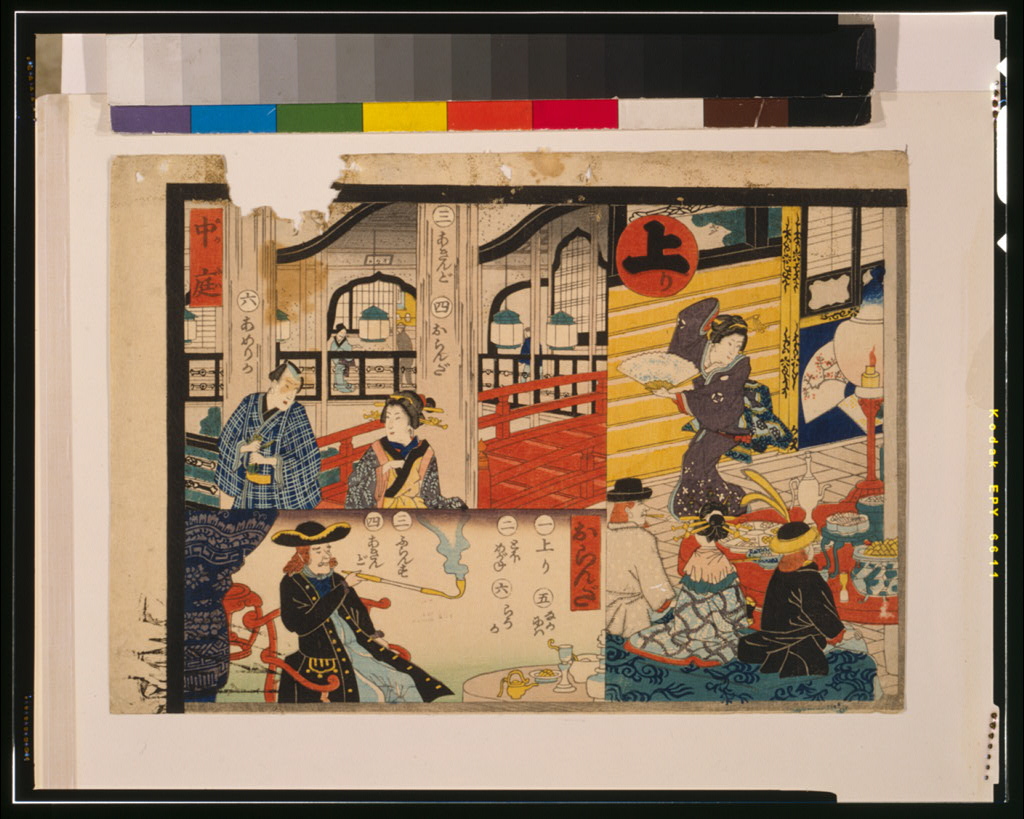
10 / BOARD SYSTEM
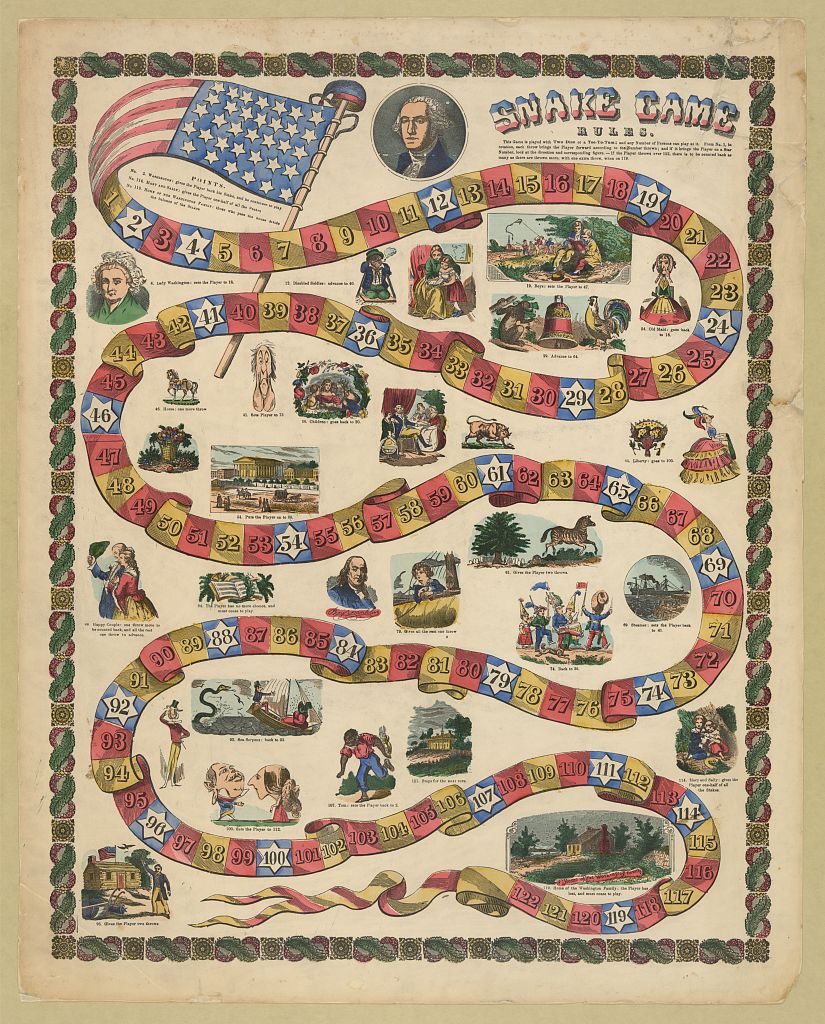
Sugoroku
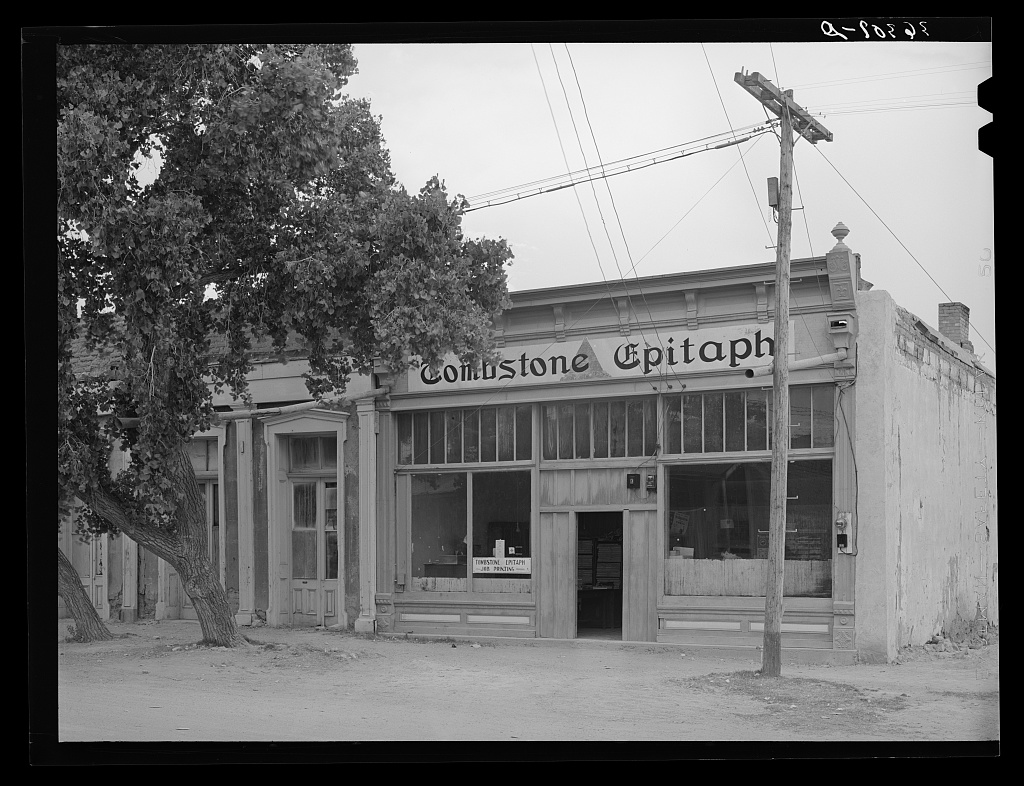
11 / ARCHIVE ROOM
News office
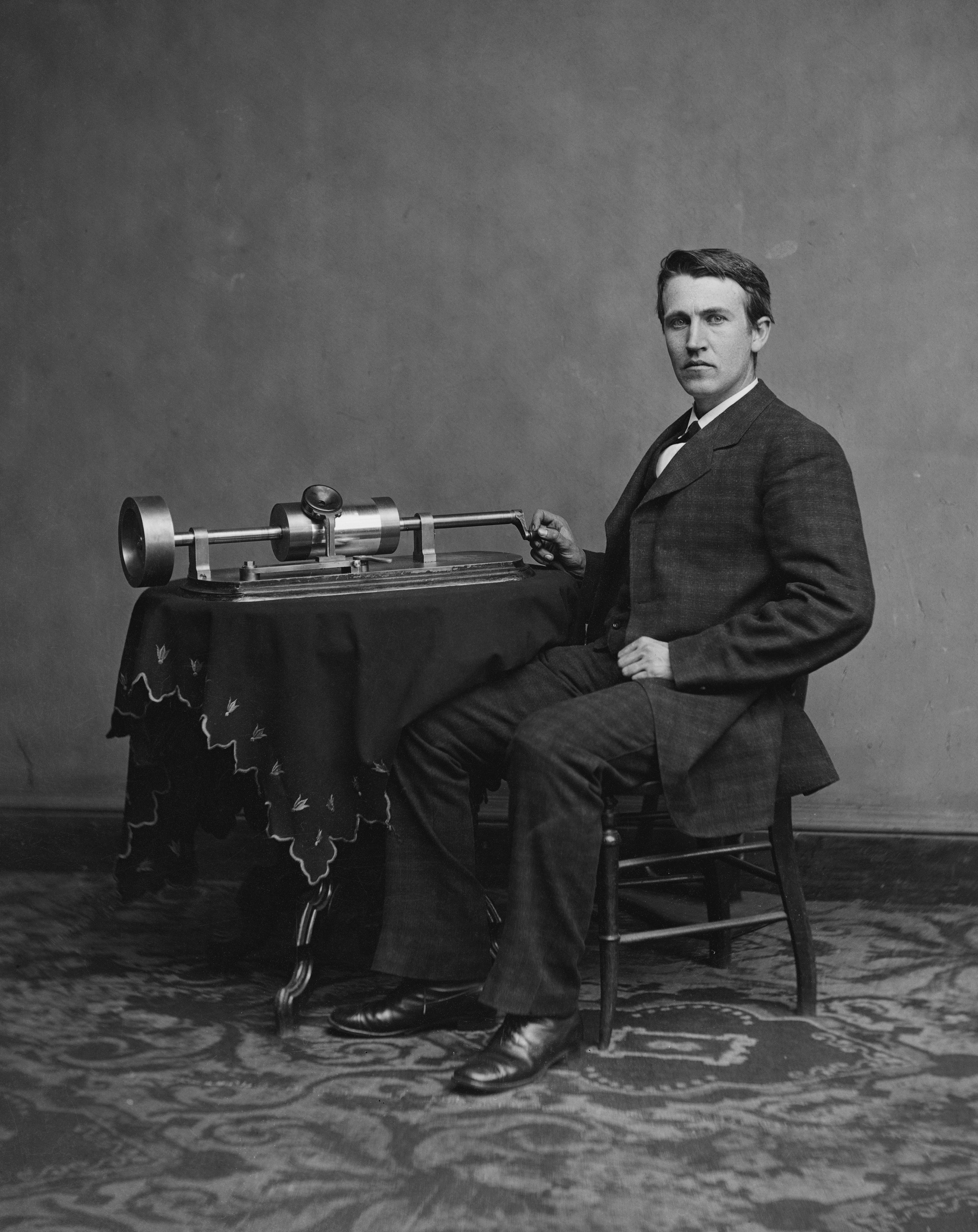
12 / VOICE MACHINE
Phonograph
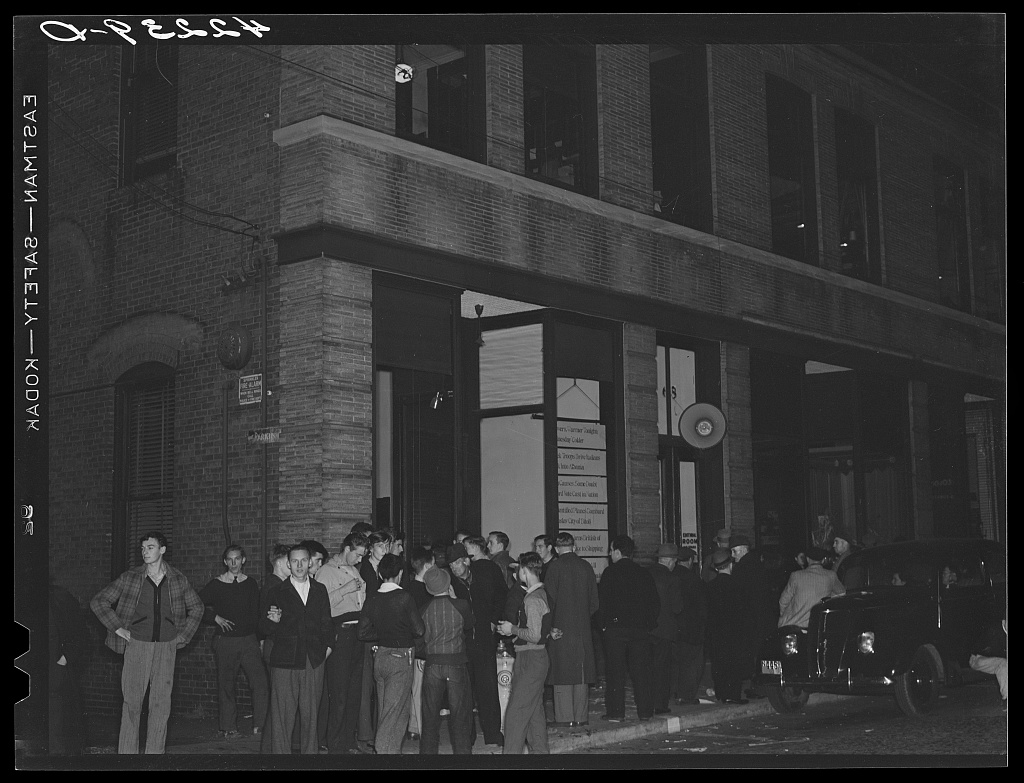
13 / PUBLIC CROWD
Election returns
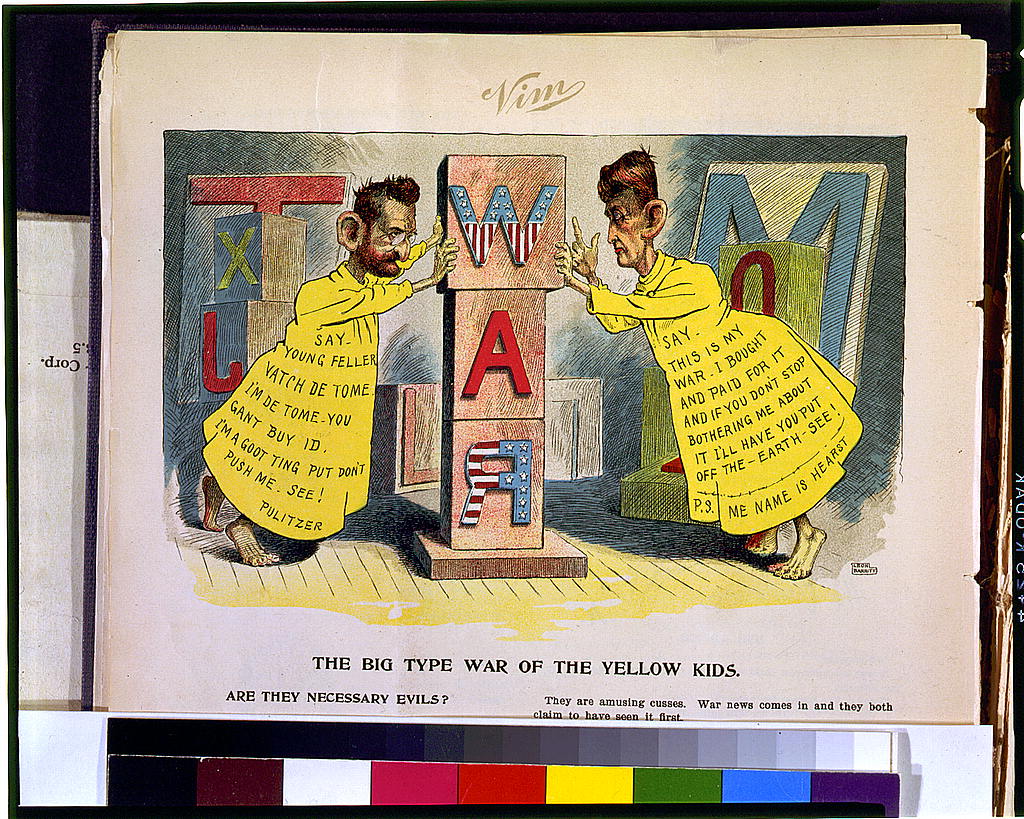
14 / MEDIA CRITICISM
Visual argument
/ CASE STUDY INDEX
Many forms, many authors, one field.
/ FROM STORY TO FORM
THE FIELD IS THE MAP. THE PLAYBOOK IS THE METHOD.
The hard question is not whether journalism can look creative. The hard question is what form the reporting needs, and what that form will demand from evidence, rights, budget, audience, and public encounter.
My own work sits here as proof of practice, not as the whole field. Reakcja, BOTTLENECK, and Testris are three ways a reported story can leave the article page and become a room, a rule system, or an interactive public experience.
LIVE ROOM
Reakcja
A reported story moved into a stage format, where public attention, testimony, and atmosphere become part of the encounter.
Open projectRULE SYSTEM
BOTTLENECK
A journalism project shaped through pressure, choice, and consequence rather than a passive article page.
Open projectPLAYABLE REPORTING
Testris
A public-health story turned into an interactive form that lets the reader feel systems, constraints, and trade-offs.
Open project/ WHAT NEXT
CHOOSE YOUR DOOR.
Read the free map. Open the research shelf. Use the Playbook when the story is real. Deploy me when the project needs a plan, a form, and a production route.
FREE
Explore the hub
Definitions, history, public forms, examples, and routes through the field.
RESEARCH
Open the library
A working bibliography of papers, books, articles, handbooks, and archives behind the field.
PAID / PLAYBOOK
Buy the Playbook
Get the Artistic Journalism Playbook: a practical decision method for choosing the form before production money is spent.
DEPLOY
Deploy Jakub
Bring a real story, investigation, archive, or public format problem and test what it wants to become.
/ FAQ
Common questions about Artistic Journalism
What is Artistic Journalism?
Artistic Journalism is factual reporting shaped through deliberate public form: a stage, a game, a comic, an immersive space, an exhibition, sound, a public installation, or literary prose. The form is part of the method, but the work still depends on sources, verification, context, and editorial accountability.
What are the forms of Artistic Journalism?
The main forms are live journalism, documentary theatre, newsgames, immersive journalism, comics journalism, illustrative journalism, literary journalism, research-led investigation, public installations, and audio and accessibility-led work.
Is Artistic Journalism the same as arts journalism?
No. Arts journalism reports on culture, artists, and institutions. Artistic Journalism uses artistic form as a method to report any public issue. One looks at art; the other borrows tools from art to make reality public.
What counts as an Artistic Journalism example?
A project belongs here when factual reporting is shaped through a deliberate public form: stage, game, comic, immersive space, exhibition, sound, public installation, or another method that changes how the audience meets the evidence.
Why are some examples historical?
Because Artistic Journalism has a lineage. Living Newspapers, literary journalism, documentary theatre, photo exhibitions, comics journalism, and early interactive documentary all show older attempts to make reporting public in more durable forms.
How were the examples selected?
The list favors projects with a clear factual basis, a distinctive form, public relevance, and a source that readers can inspect. It is not a ranking and it is not complete.
Why are external examples text-only?
Because the images, clips, interfaces, scripts, and exhibition views usually belong to their original creators or publishers. Text reference and source links are useful without redistributing their media.
What makes an example journalistic rather than only artistic?
It needs an evidentiary basis: reporting, documents, data, testimony, observation, archives, or fieldwork. Artistic form can shape the work, but it should not replace the responsibility to facts.
How do I commission something like this?
Start with a diagnostic. The first task is to understand the evidence, audience, risks, rights, timeline, and capacity before choosing a form.
