Wall / object / civic space

The Street
Becomes The Page

Public installation journalism moves reporting into shared space, where location, scale, access, weather, and accidental attention become part of the story.

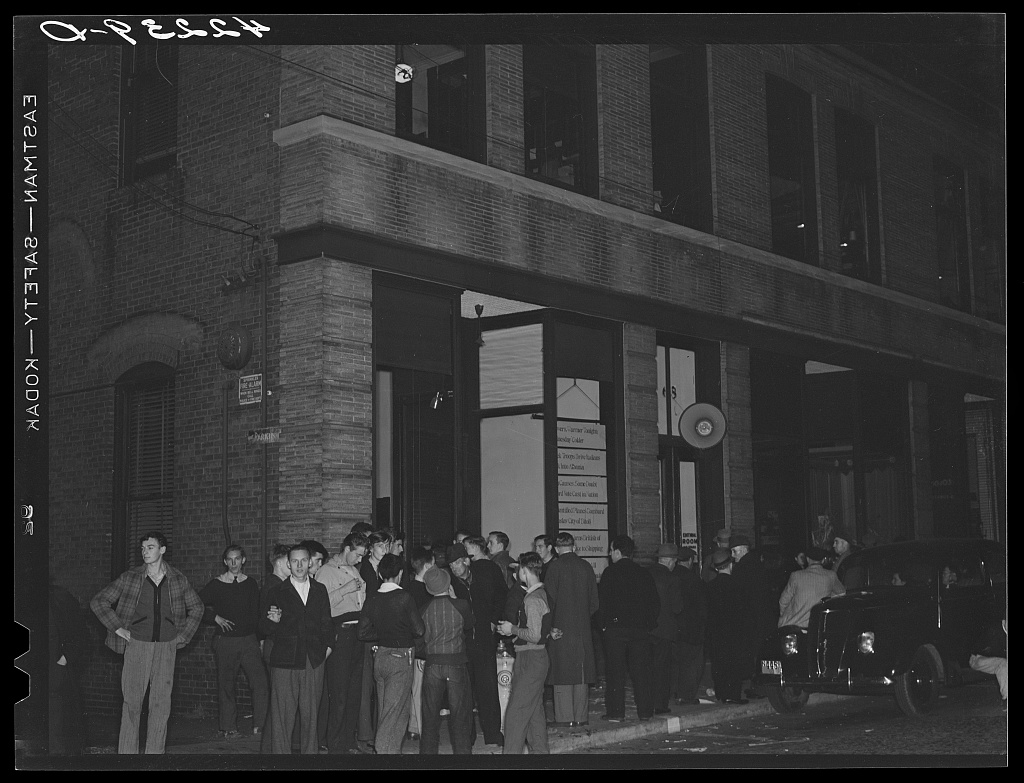
Crowd gathered outside a newspaper office to read election returns.
PUBLIC ATTENTION
Election returns crowdLibrary of Congress

When journalism leaves the feed, the public is no longer just an audience.

A public installation can be a wall, window, projection, exhibition, object, poster sequence, listening post, evidence table, memorial, data sculpture, or site-specific interface.

The form changes the contract. People may encounter the reporting on the way to work, with children, without headphones, in bad weather, in another language, or without choosing to enter the story.

// DEFINITION

Verified reporting made spatial, material, and civic.

Public installation journalism carries reported material into physical or civic space. The work may be temporary or permanent, indoor or outdoor, quiet or monumental.

It differs from campaign design because the evidence remains inspectable. It differs from public art because the reporting contract is explicit.

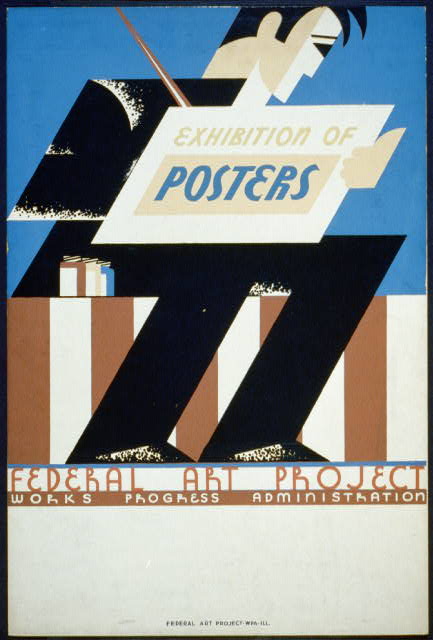
WPA poster advertising an exhibition of posters.
PUBLIC DISPLAY
Poster exhibitionLibrary of Congress
// CIVIC READING

Public installation journalism changes the scale of reading. A passerby may not know the publisher. They may not have chosen the subject. They may give the work ten seconds, or return to it every day for a month. The story has to survive distance, weather, noise, traffic, children, fatigue, surveillance, and the politics of the place where it stands.

That makes the site part of the edit. A projection on a government building does not say the same thing as the same projection inside a museum. A data wall in a transit station creates a different public than an evidence table in a gallery. A poster in a neighborhood must answer to the people who live with it after the press release fades.

The form is strongest when it treats public space as responsibility, not reach. The work should tell people what they are seeing, where the evidence comes from, how to avoid graphic material, how to get more context, and what will happen when the installation is documented, damaged, removed, archived, or remembered.
// SITE LOGIC

Location is not a container. It is an editorial claim.

The same evidence changes when it appears outside a courthouse, inside a museum, across a neighborhood wall, at a festival, or in a newspaper window.

01

Place

A square, museum, school, shelter, street window, transit station, wall, or website lobby changes the story's meaning.

02

Encounter

People may meet the work accidentally, briefly, repeatedly, collectively, or without choosing to engage.

03

Material

Scale, weather, light, sound, distance, durability, projection, paper, screen, object, and maintenance all become editorial.

04

Afterlife

Documentation, takedown, archive, repair, vandalism, reuse, and community memory must be planned before opening.

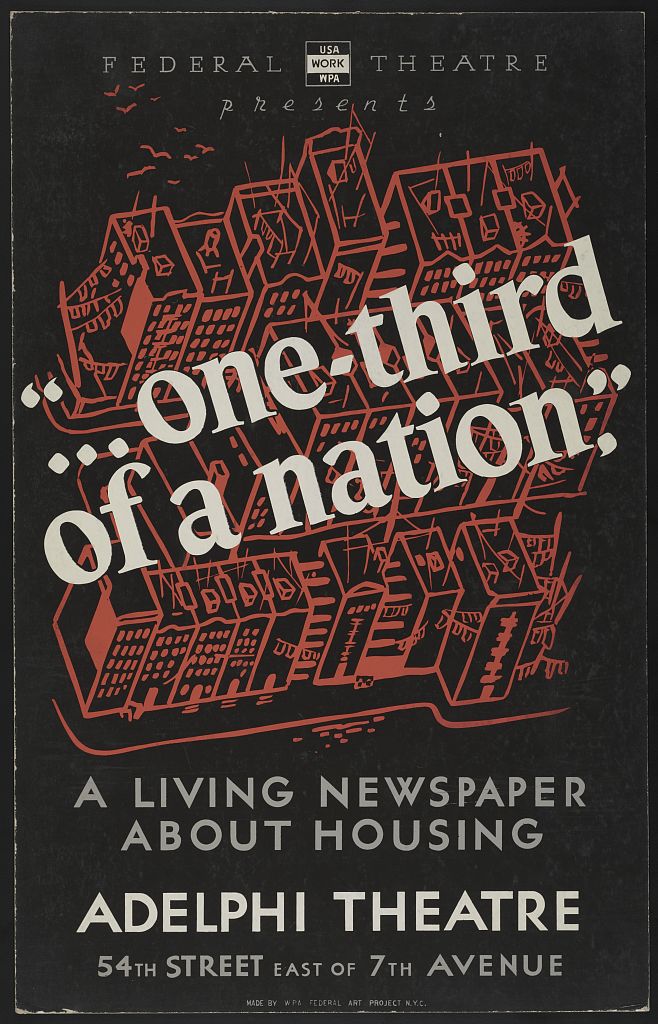
WPA Federal Theatre Project poster for One-Third of a Nation.
ROOM / POLICY
One-Third of a NationLibrary of Congress
// PUBLIC MEMORY

A physical story can become part of a civic route.

Gathering

The work can create a place where people stand together around facts.

Interruption

It can break the automatic flow of streets, institutions, festivals, or daily errands.

Inspection

An evidence wall or archive table can let people compare documents, images, and claims at their own pace.

Access

Height, contrast, language, sound, seating, touch, captions, and route all decide who the public actually is.

// RISKS

Public space can force attention without consent.

Trauma exposure

Do not put graphic or intimate material where people cannot choose distance.

Site harm

A location may carry political, community, sacred, commercial, or surveillance risks.

Rights drift

Images cleared for publication may not be cleared for print scale, street display, touring, or documentation.

Maintenance failure

Weather, vandalism, broken screens, dead speakers, and outdated data can turn evidence into noise.

// NEXT MOVE

Treat the site as an editor.

The next move is a site memo: who passes, who cannot leave, who needs access, what the place already means, and what happens when the reporting is gone.