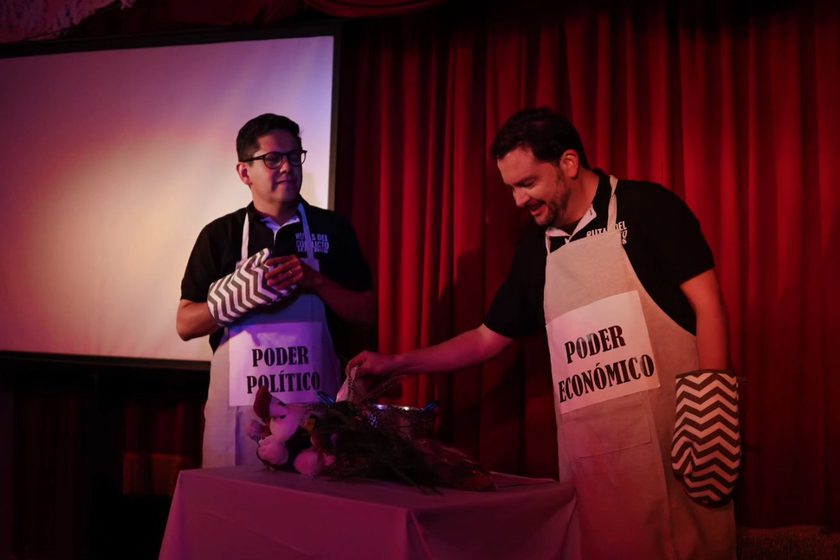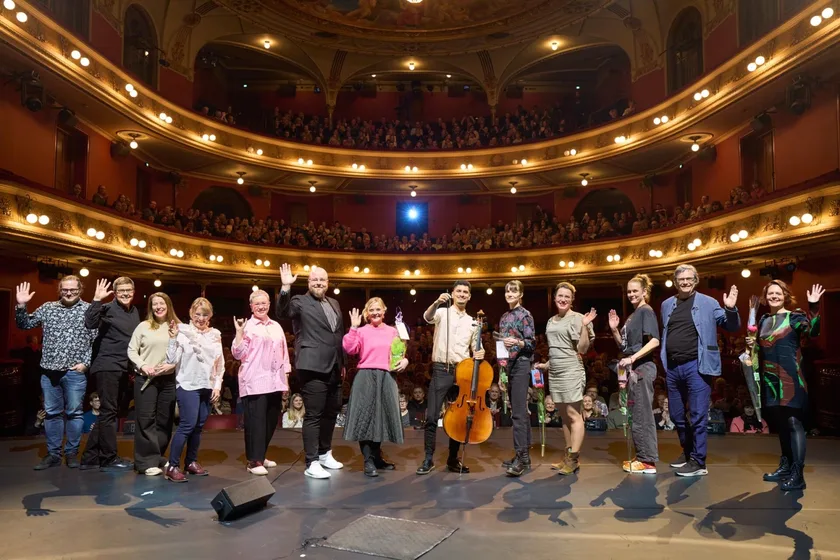
Room / stage / audience

The Room
Is the Medium

Live journalism is not a panel. It is reported work built for bodies in the same place, at the same time.

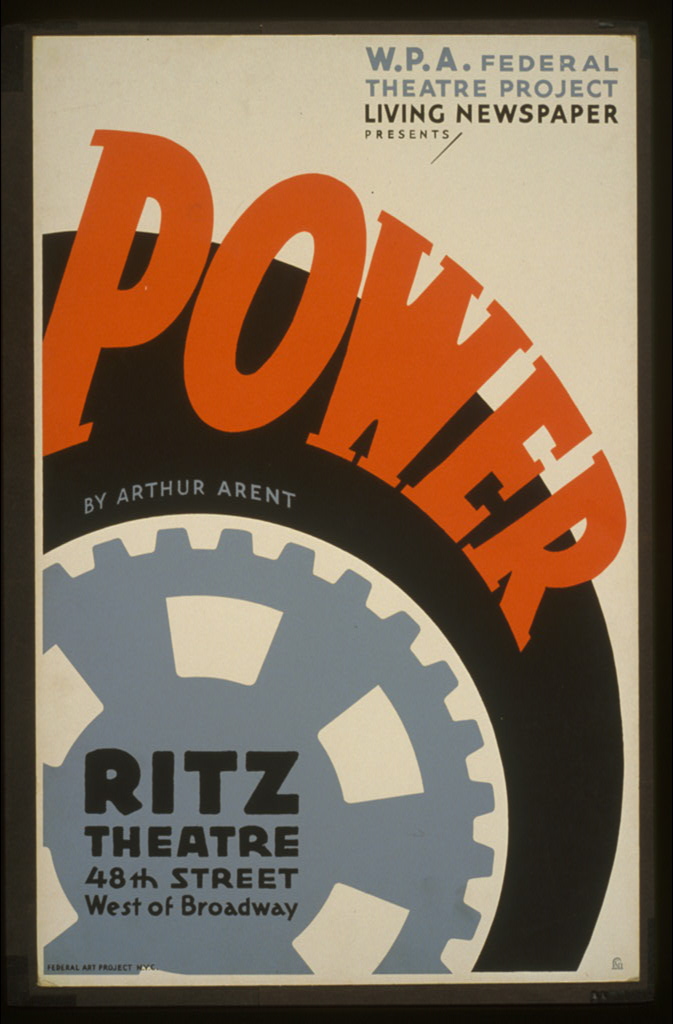
WPA Federal Theatre Project poster for the Living Newspaper production Power.
LIVE FACTS
Living Newspaper posterLibrary of Congress

The stage does not make journalism truer. It makes the journalist more exposed.

A live story has to survive a different kind of pressure. The audience can hear weak structure. They can feel evasive sourcing. They can sense when emotion has been inflated to cover a thin investigation.

That is why live journalism is a discipline of reduction. Less information than an article. More consequence for every word. More responsibility for the bodies and voices carrying the reporting.

// DEFINITION

Verified reporting, performed in real time, with the audience present.

Live journalism uses stage, voice, image, sound, film, music, interview, or scripted narration to bring reported work into a public room. The event may feel theatrical. The contract is still journalistic.

The useful distinction is simple: a panel talks about journalism. Live journalism stages the reporting itself.

What changes

Attention becomes collective. The audience cannot skim. They breathe, laugh, tense, and remember together.

What stays

Verification, attribution, source protection, consent, context, correction, and public accountability.

What gets dangerous

Music, light, silence, charisma, and pacing can make weak evidence feel stronger than it is.

// THE ARTICLE BELOW THE LIGHTS

The most useful way to understand live journalism is to imagine an article with no private reading time. The audience cannot pause to check a footnote, save a paragraph, or return later to the sentence that confused them. The journalist has one shared hour to build orientation, trust, tension, and release. That makes the writing less decorative and more architectural.

A live piece therefore needs a different editorial script from a published article. It needs a clear line of evidence, a sequence of reveals, a rhythm for context, and a plan for silence. It must know when a photograph is doing more work than a paragraph, when a witness voice needs protection, and when the performer should step back so the material can carry its own weight.

The room also changes accountability. A weak article can hide behind layout, links, or the speed of the feed. A weak live story has nowhere to go. If the sourcing is thin, the performance exposes it. If the emotion is forced, the room feels it. That is the promise of the form: not more spectacle, but less hiding.
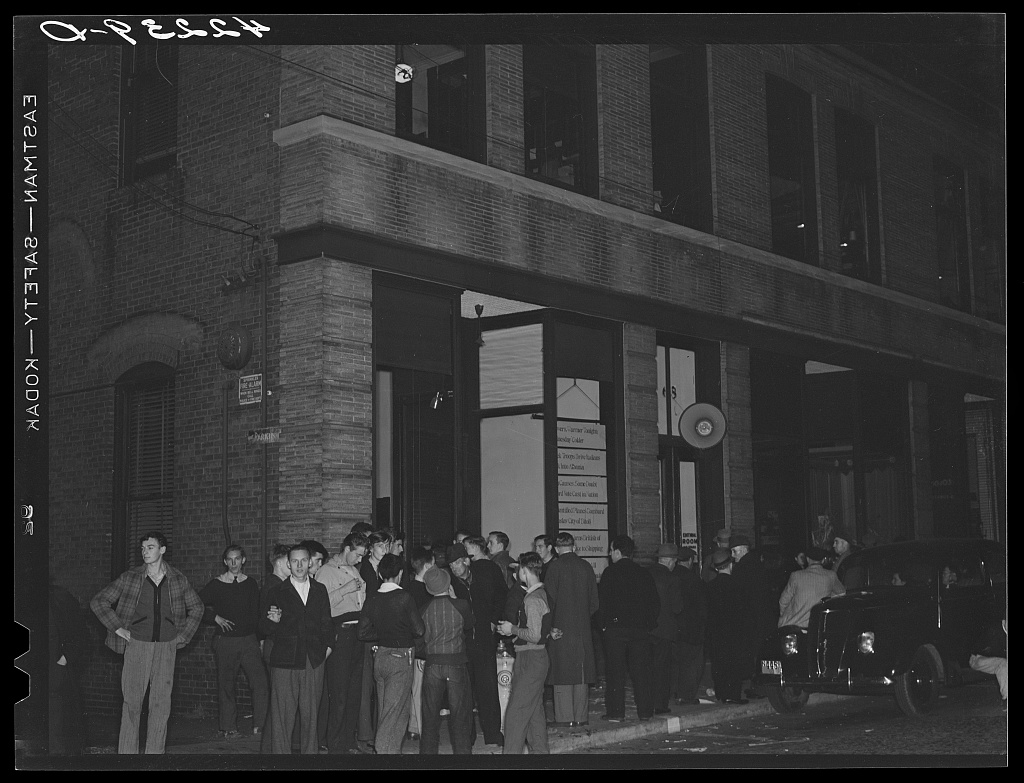
Crowd gathered outside a newspaper office to read election returns.
PUBLIC ATTENTION
Election returns crowdLibrary of Congress
// WHAT THE ROOM DOES

Liveness changes the social physics of a story.

Presence

The reporter becomes a visible witness to their own method. Trust is negotiated in the open.

Timing

A pause, image, sound cue, or reveal becomes part of the editorial sequence.

Audience

People do not encounter the story alone. The room itself becomes a public fact.

Memory

An unrecorded show can leave no shareable artifact. That absence is part of the form.

// PRODUCTION ANATOMY

A live article is a run of show with evidence inside it.

01

Investigation

The stage begins with reporting: interviews, field notes, documents, sound, photographs, legal review, and source protection.

02

Script reduction

The article is not read aloud. It is cut into a live score: what the audience must hear, when, and why.

03

Rehearsal

Pacing, breathing, projection, image timing, and silence become editorial mechanics, not theatrical decoration.

04

The room

Audience trust is built in public. The reporter is visible, accountable, and unable to hide behind the page.

05

Afterlife

Recording, transcript, archive, source consent, and rights must be decided before the lights go up.

// LIVE CASE STUDIES

Twelve rooms where reporting changes form.

Each page treats the initiative as the main unit, with productions nested inside when the format carries more than one show.

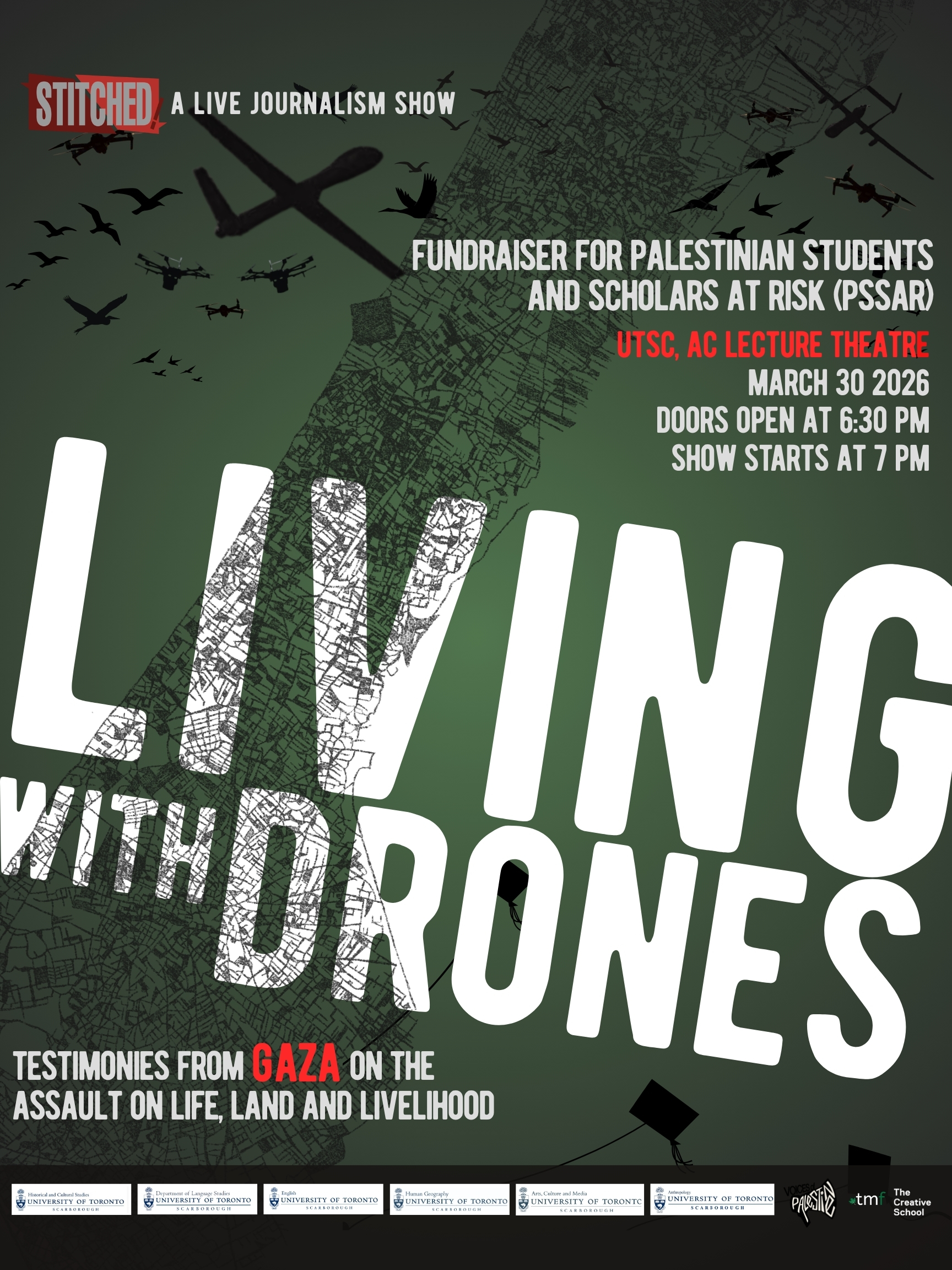
Living with Drones poster artwork.
01
Canada / United Kingdom / United States / Community/participatory + High-production/performance + Dialogue/forum + Spoken/Slam

Living with Drones

A stitched! live journalism production where wartime diaries, testimony, sound, video, and audience responsibility share the room.

Open case
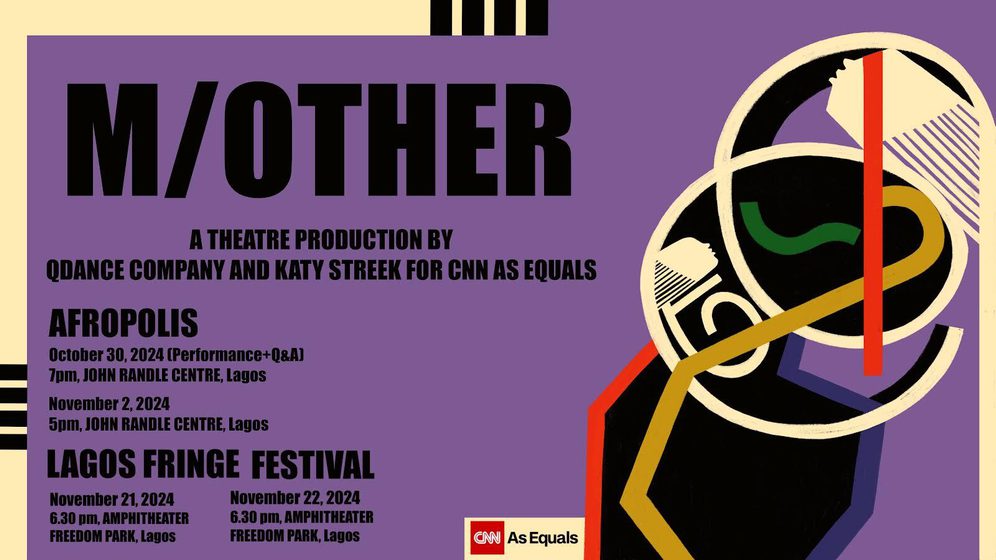
M/OTHER performance image.
02
Nigeria / High-production/performance

M/OTHER

A theatre and dance production based on reporting around maternal mental health.

Open case
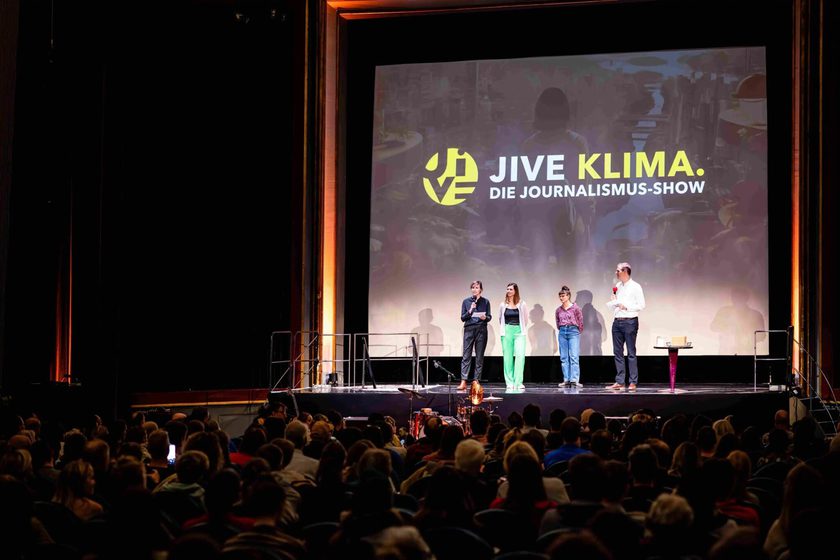
Headliner stage image.
03
Germany / High-production/performance + Spoken/Slam

Headliner

Germany's stage-journalism organisation behind Reporter Slam and JIVE.

Open case
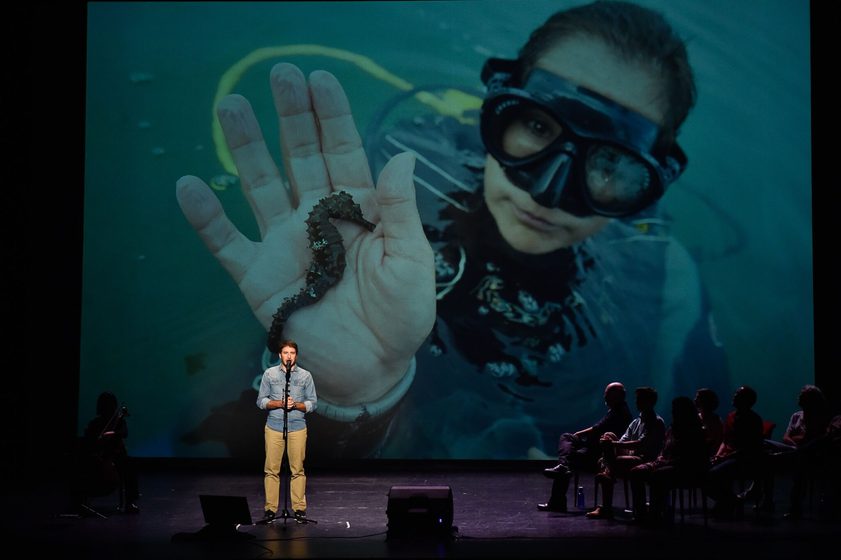
Diario Vivo stage image.
04
Spain / High-production/performance + Spoken/Slam

Diario Vivo

Spain's live journalism show built around ephemeral, unrecorded, first-person stories.

Open case
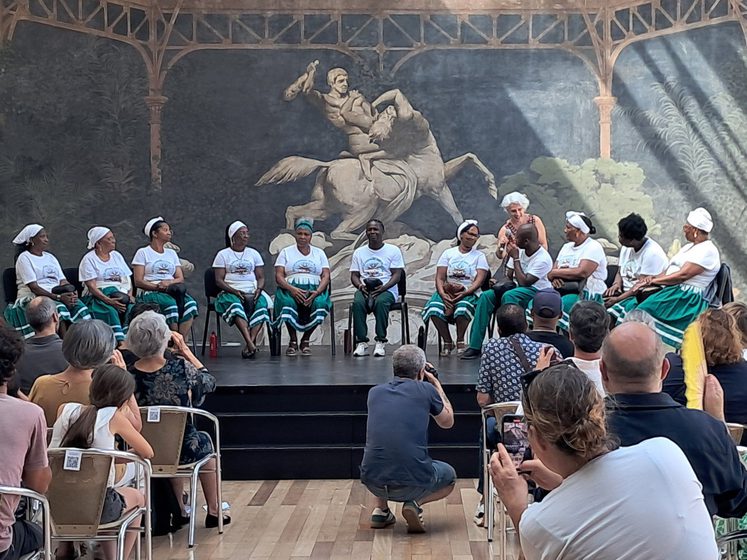
Historias Verdadeiras stage image.
05
Portugal / Community/participatory + Dialogue/forum

Mensagem de Lisboa

A Lisbon newsroom turns local reporting into true stories on stage.

Open case
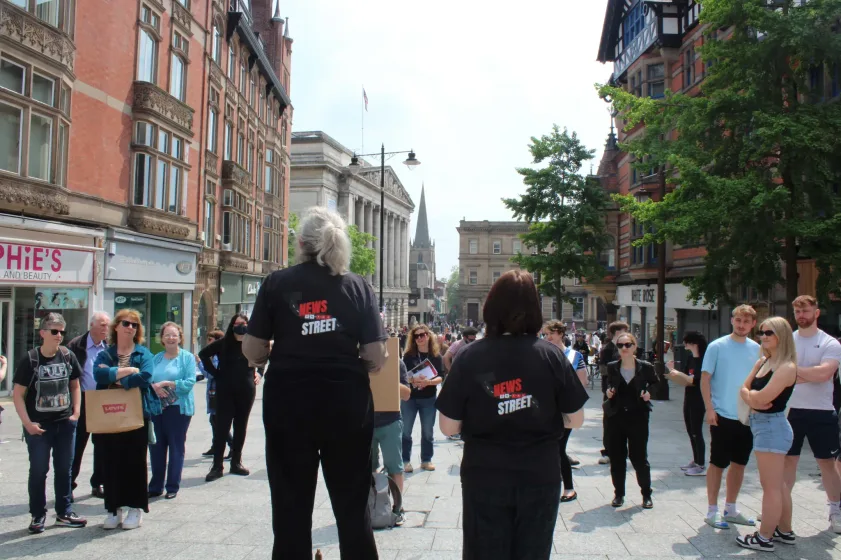
News on Stage public-space image.
06
United Kingdom / Community/participatory + Dialogue/forum

News on Stage

A UK research-led initiative testing live journalism in theatres, cabarets, streets, and rivers.

Open case
Nothing Bigger Than Humanity image.
07
Netherlands / High-production/performance + Community/participatory + Dialogue/forum

Resonate Productions

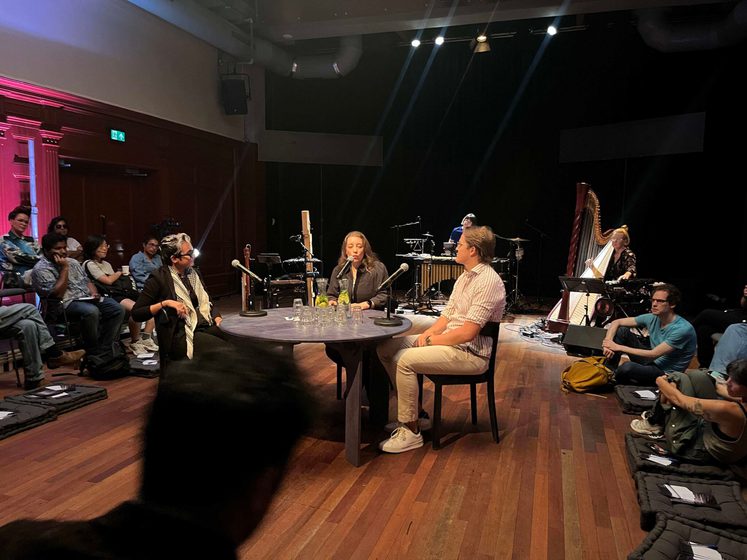
A musical journalism collective turning reported blind spots into documentary-concerts and hybrid gatherings.

Open case
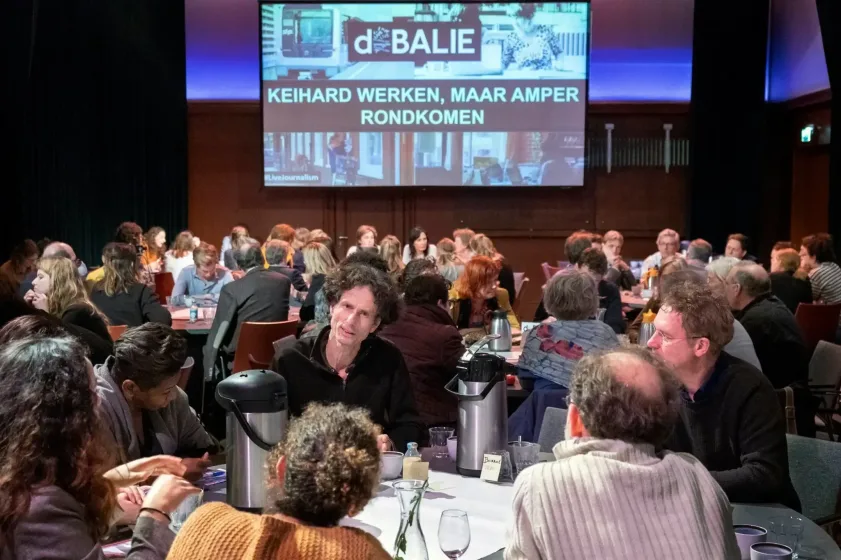
De Balie live journalism image.
08
Netherlands / High-production/performance + Community/participatory + Dialogue/forum

De Balie Investigative Desk

A resident investigative team turns Amsterdam reporting cycles into public meetings, articles, TV, and theatre.

Open case
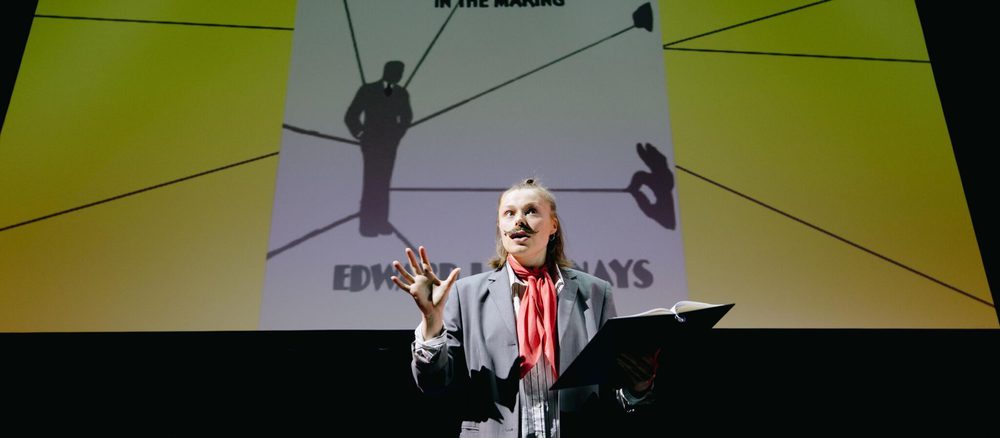
Dossier Live theatre image.
09
Austria / High-production/performance + Community/participatory

Dossier Live

An Austrian investigative newsroom turns complex investigations into staged public encounters.

Open case
Rutas en Vivo image.
10
Colombia / High-production/performance + Community/participatory + Dialogue/forum

Rutas en Vivo

A Colombian newsroom takes conflict reporting into theatrical performances, walking routes, and bike tours.

Open case
Black Box image.
11
Finland / High-production/performance

Black Box

Helsingin Sanomat's live journalism format, built as a newsroom-made stage experience.

Open case
Laboratorio de periodismo performatico video still.
12
Argentina / High-production/performance

Laboratorio de periodismo performatico

Revista Anfibia's laboratory for developing performative journalism across Latin America and Spain.

Open case
// RISKS

Stagecraft can lie without saying a false word.

Theatricalized harm

Do not turn testimony into emotional spectacle for a ticketed room.

Hidden sourcing

The audience must know what is reported, quoted, reconstructed, or withheld.

Consent mismatch

Consent for an interview is not consent for performance, recording, touring, or archiving.

Live error

A wrong fact on stage cannot be quietly patched. Correction protocol belongs in the production plan.

// NEXT MOVE

Build the room only when the story needs witness.

The next move is not booking a venue. It is testing whether the evidence, voices, rights, and audience trust can survive becoming live.

Krajowy Plan Odbudowy, Rzeczpospolita Polska and NextGenerationEU official signs