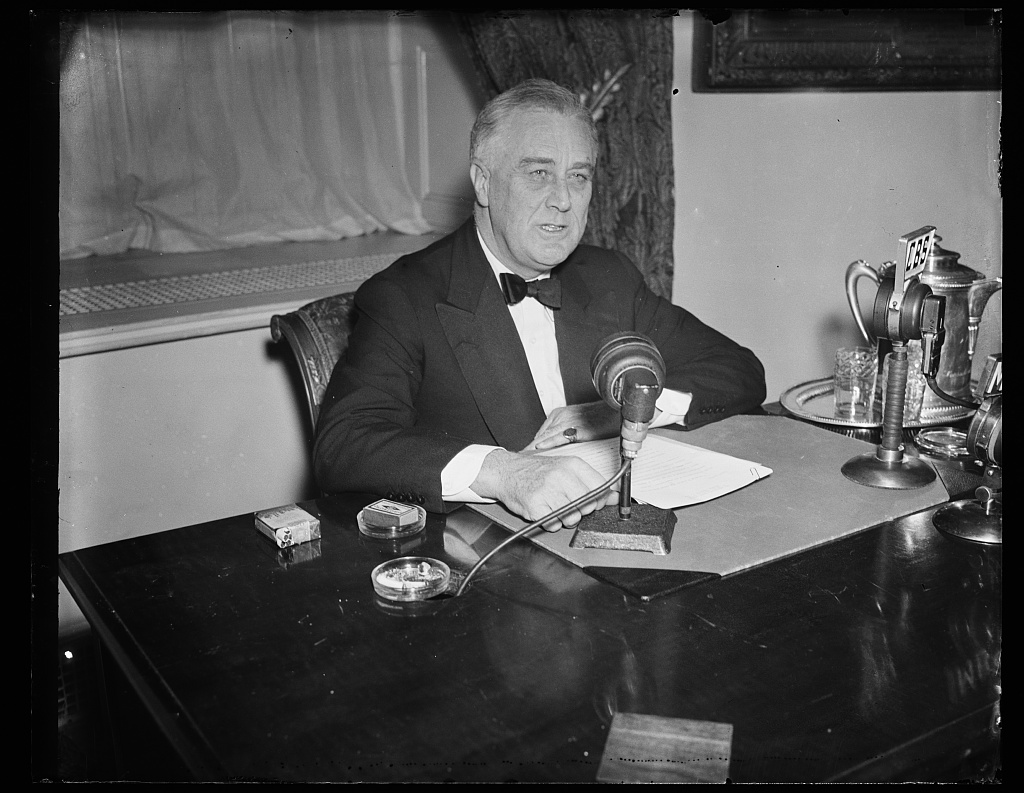
Audio journalism begins with a different kind of evidence. A pause can change the meaning of a sentence. A room tone can tell the listener where power sits. A voice can carry age, fear, status, fatigue, geography, authority, and refusal. Sound does not simply decorate a reported scene. It can report the scene's conditions.
Accessibility deepens that work because it forces the story to become explicit about structure. A transcript has to decide how to name speakers, where to place sound, how to describe silence, and which links or documents belong beside the words. Alt text has to decide what visual information is evidence and what is only atmosphere. A screen-reader path has to decide the order in which the story becomes knowable.
This is why accessibility is an editorial method, not a compliance layer. If the non-visual version of a story is thin, the visual story may be hiding weak thinking. If the transcript cannot carry the evidence, the audio may be using mood to cover missing context. Designing for multiple sensory paths makes the journalism more accountable.