Scene / voice / fact

The Sentence
Answers To Evidence

Literary journalism is not pretty writing over facts. It is reported nonfiction where prose form carries proof, pressure, doubt, and time.

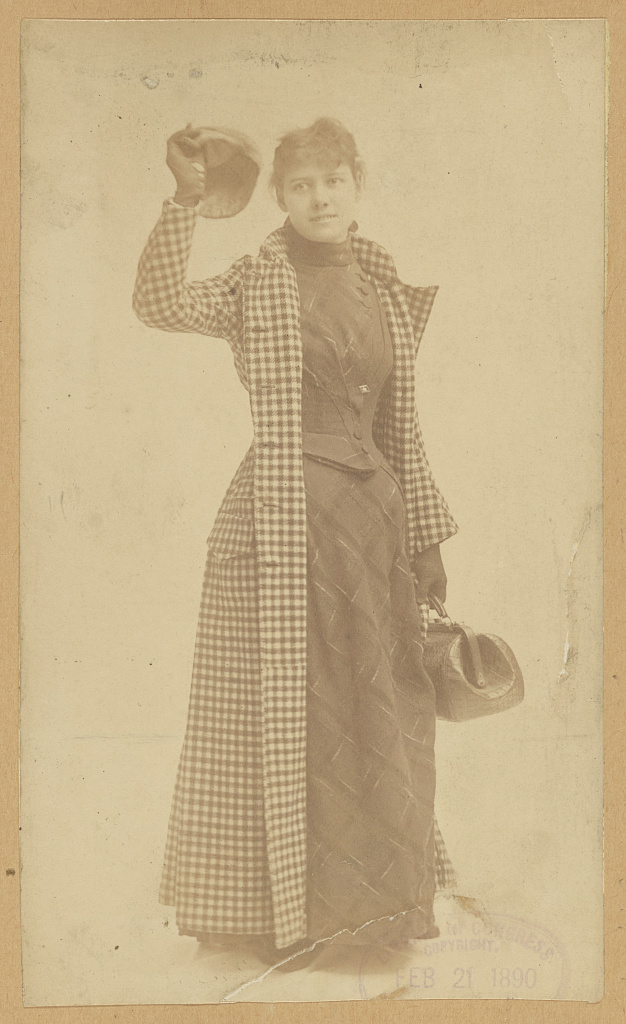
Portrait of investigative journalist Nellie Bly.
REPORTED PROSE
Nellie BlyLibrary of Congress

The literary part is the architecture. The journalism part is the load-bearing wall.

A literary journalist can use scene, rhythm, voice, chronology, character, image, and narrative tension. None of that releases the work from fact.

The form becomes useful when summary would flatten the public reality: a closed institution, a slow injustice, a social world, a disaster, a bureaucracy, a life under pressure.

// DEFINITION

Reported nonfiction shaped like literature, bound by verification.

Literary journalism uses immersion, observation, interviews, documents, scene construction, structure, and voice to make factual material legible at human scale.

It is not fiction and not memoir in disguise. The reader is promised that the world described has been reported, checked, and honestly limited.

Scene

Place the reader inside reported reality only when the scene was observed, documented, or transparently reconstructed.

Voice

The narrator can carry method, doubt, proximity, and moral pressure. Voice cannot replace verification.

Structure

Order, delay, return, and juxtaposition are editorial claims about causality and attention.

Interior life

Do not invent what a person thought or felt. Attribute, quote, observe, or leave the interior closed.

// REPORTED PROSE

Literary journalism is often misunderstood because people notice the style first. The style is not the achievement. The achievement is that the prose can hold reported complexity without breaking the factual contract. A scene has to be earned. A voice has to be accountable. A structure has to clarify the public reality rather than polish it into inevitability.

The form is useful when the facts need duration. A policy failure may be visible only through a family's week. A prison may be understood only through routines, doors, waiting, and sound. A social class may reveal itself through gestures, rooms, jokes, menus, clothes, and silence. The literary tools help the reader stay inside conditions that a summary would let them escape.

The discipline is restraint. The writer has to stop at the edge of evidence, even when the sentence wants to continue. Interior life needs attribution. Dialogue needs sourcing. Scene needs method. Beauty is welcome only when it serves clarity, memory, and public truth.
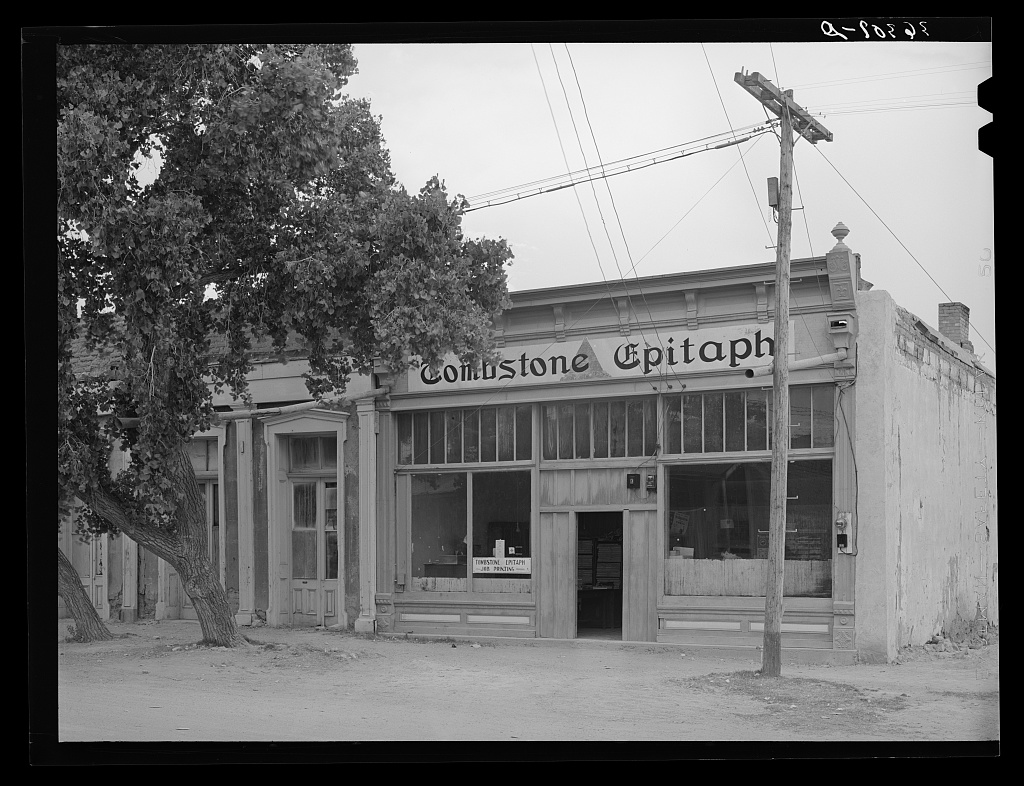
Interior of a newspaper office in Tombstone, Arizona.
NEWSROOM
Newspaper officeLibrary of Congress
// SCENE AS METHOD

A scene is a reporting unit, not a decorative paragraph.

Observed

The reporter saw, heard, smelled, counted, waited, walked, or recorded the material.

Documented

The scene rests on transcripts, photographs, diaries, archives, maps, video, audio, or court files.

Reconstructed

Multiple sources support the scene and the prose signals how it was rebuilt.

Withheld

When evidence fails, the sentence should stop instead of inventing atmosphere.

// LINEAGE

The tradition is long because the problem is old.

Journalism has always needed forms for conditions that cannot be reduced to a summary: confinement, poverty, war, labor, status, fear, boredom, appetite, class, and power.

01

Nellie Bly

Undercover reporting turned asylum conditions into scene, pace, risk, and public outrage.

02

Jacob Riis

Urban reform reporting combined description, image, social investigation, and public argument.

03

New Journalism

Writers such as Joan Didion, Gay Talese, Tom Wolfe, and Truman Capote pushed scene, voice, and immersion into mainstream argument.

04

Digital longform

Projects such as Snow Fall showed how literary structure could meet photo, video, motion, and web-native pacing.

// ETHICS

A beautiful sentence can overrun the facts.

Invented interiority

Do not assign thoughts, motives, fear, shame, or desire without evidence and attribution.

Composite drift

Composite scenes and characters can destroy the reader's factual contract if not declared.

Narrative gravity

A clean arc can make messy causality look inevitable.

Reporter vanity

A strong voice should clarify the evidence, not turn the reporter into the story's main event.

// NEXT MOVE

Write the evidence ledger before the first beautiful line.

The next move is a scene audit: observed, documented, reconstructed, quoted, withheld. Only then should voice, rhythm, and structure decide how the reader moves.