1700s
Narrative / document
Documentary-feeling prose
Long before the current term, literary and journal-like forms showed how documents, travel, testimony, scene, and public fact could merge into compelling nonfiction surfaces.
A lineage of forms, not a claim that the term always existed.
The history of Artistic Journalism is not a straight line and not a brand-new invention. It is a recurring journalistic instinct: when reality becomes too complex, too distant, too abstract, or too easy to ignore, reporters and editors build a stronger public form for facts.
The useful move is not to pretend that every older example called itself Artistic Journalism. Most did not. The useful move is to trace the family resemblance: reported reality shaped through form so the public could see, hear, enter, compare, or remember it differently.
The article is only one container. The street headline, the illustrated page, the serialized investigation, the documentary stage, the photo exhibition, the radio broadcast, the comic panel, the game mechanic, the VR reconstruction, and the evidence model all create different public situations.
Form changes attention. It decides whether the public reads alone, gathers in a crowd, listens together, follows a witness, sees a system, plays a constraint, or inspects a model.
This is not a closed canon. It traces how journalism kept borrowing forms when the public needed facts to appear with more force.
Long before the current term, literary and journal-like forms showed how documents, travel, testimony, scene, and public fact could merge into compelling nonfiction surfaces.
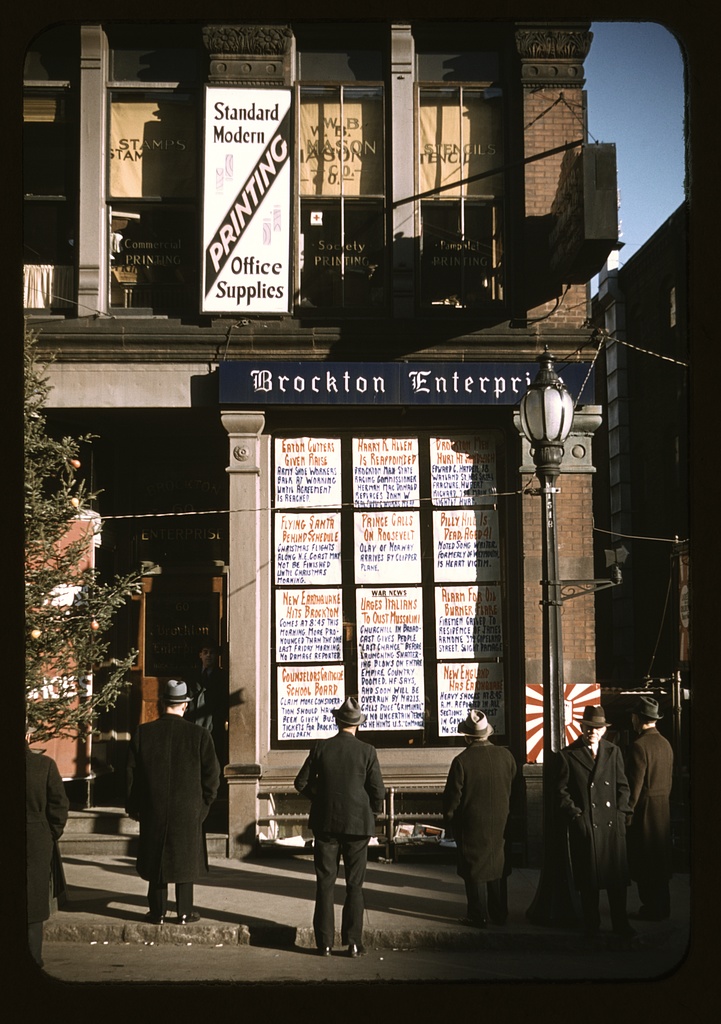
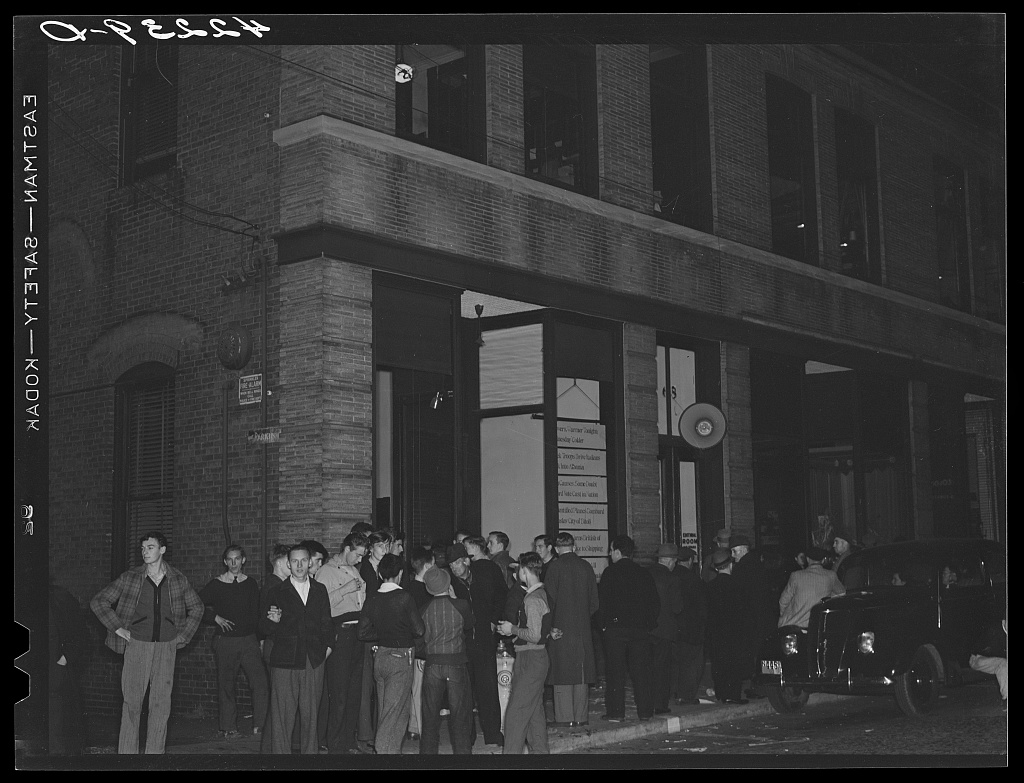
Illustrated newspapers, political cartoons, posted headlines, and election-return crowds turned news into a public visual event.
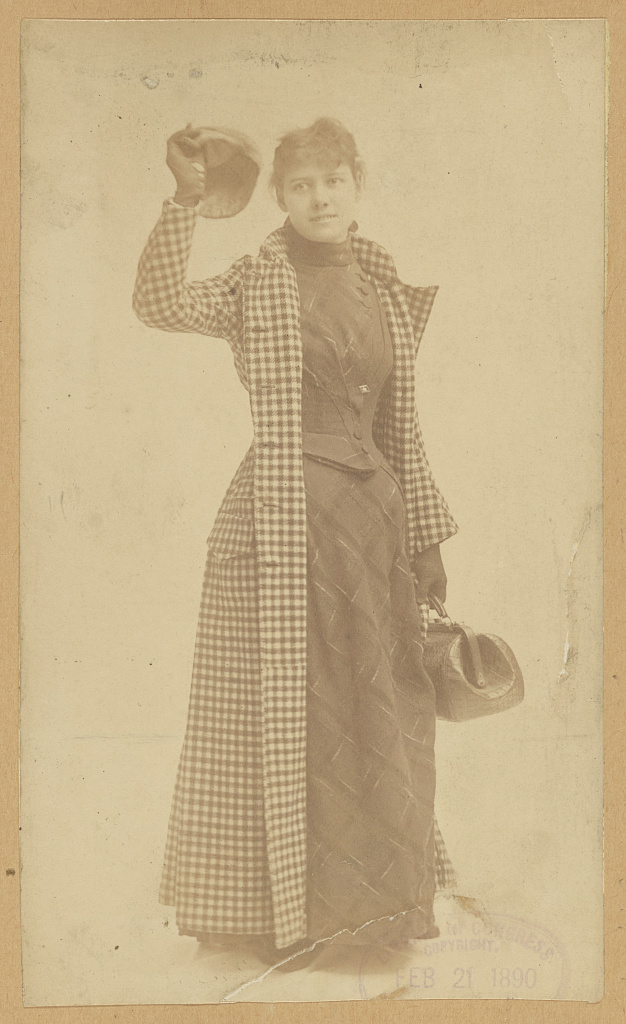
Bly's asylum reporting is a reminder that method changes what can be known. The reporter's position inside the institution changed the evidence available to the public.
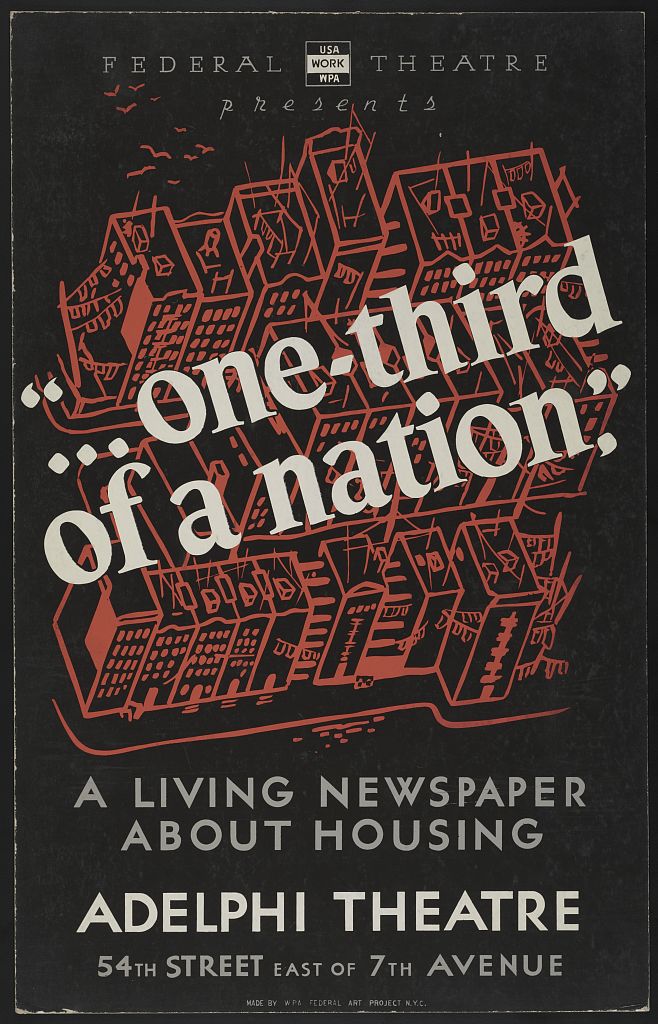
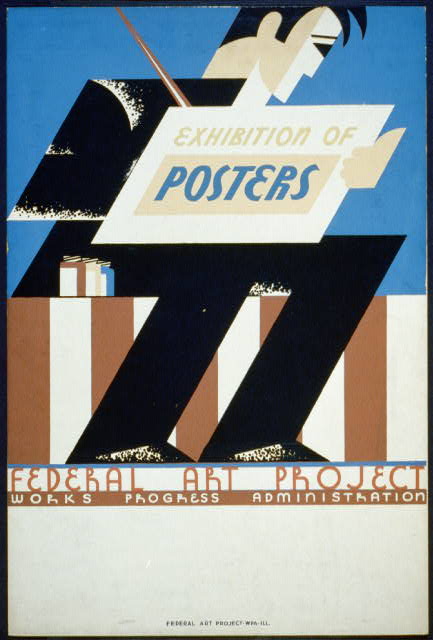
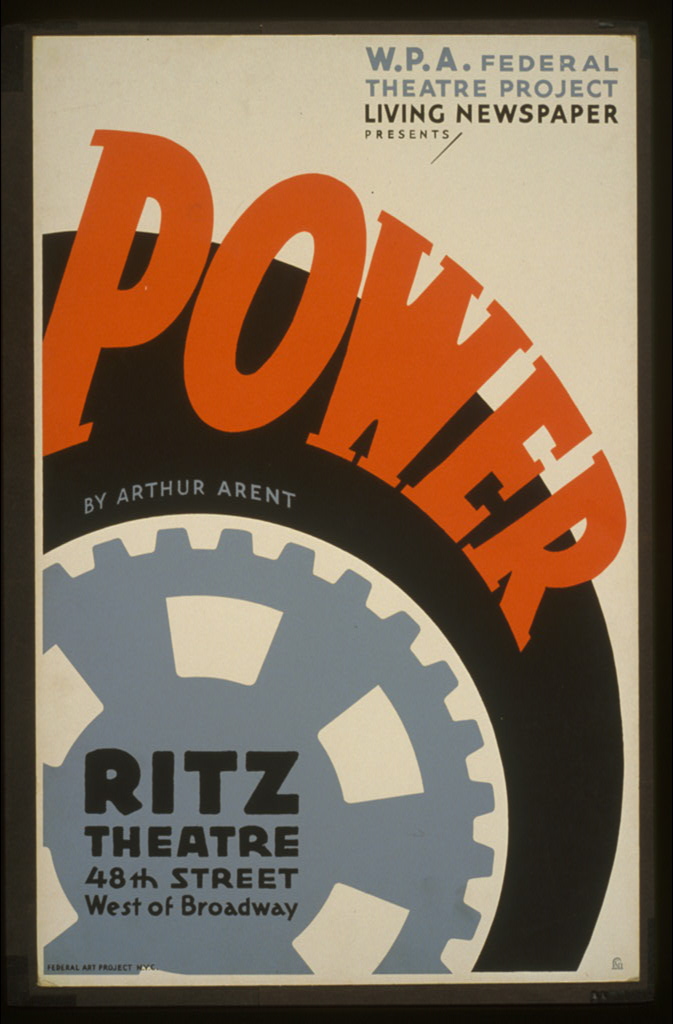
The Federal Theatre Project staged current events, housing, labor, public health, and policy questions. Public facts became stage situations.
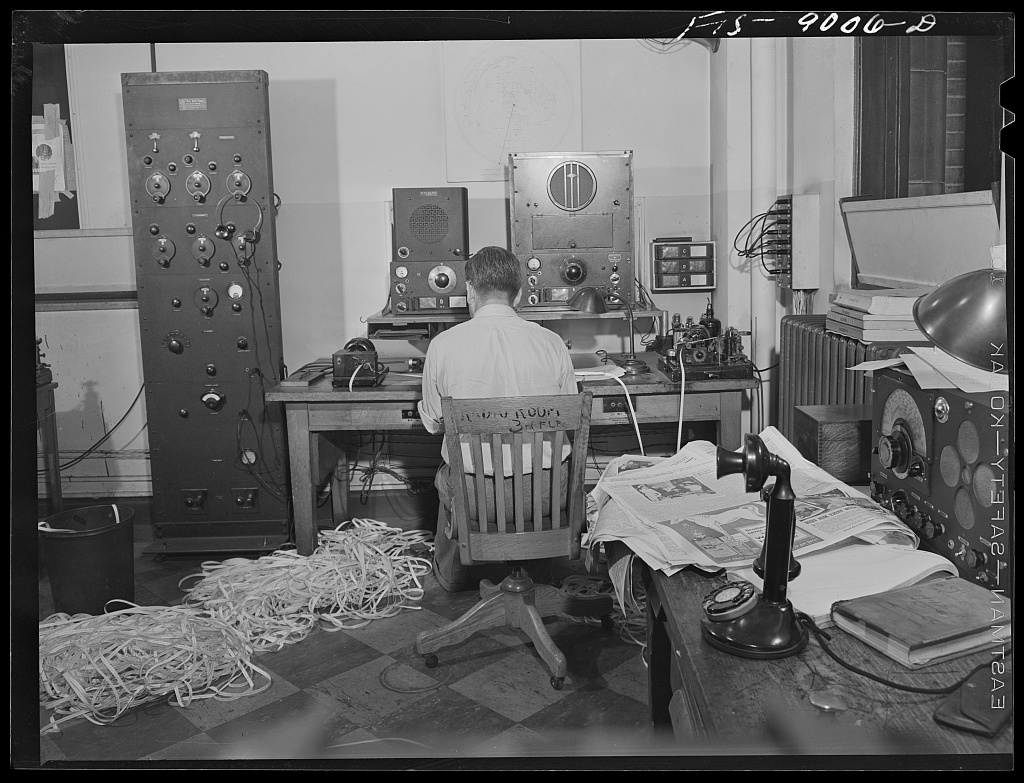
Radio made voice, sound, interruption, and shared listening part of public life. News could enter the room as atmosphere and immediacy.
World Press Photo and other documentary exhibitions helped make photojournalism a public encounter in space, not only an image printed beside text.
Writers such as Truman Capote, Joan Didion, Gay Talese, Tom Wolfe, and others used scene, dialogue, immersion, structure, and voice to carry factual reporting with literary pressure.
Verbatim and documentary theatre used interviews, transcripts, hearings, public records, and testimony as performance material.
Joe Sacco and other graphic reporters showed that line, panel, captions, and visual reconstruction could carry field reporting, conflict, memory, and witness.
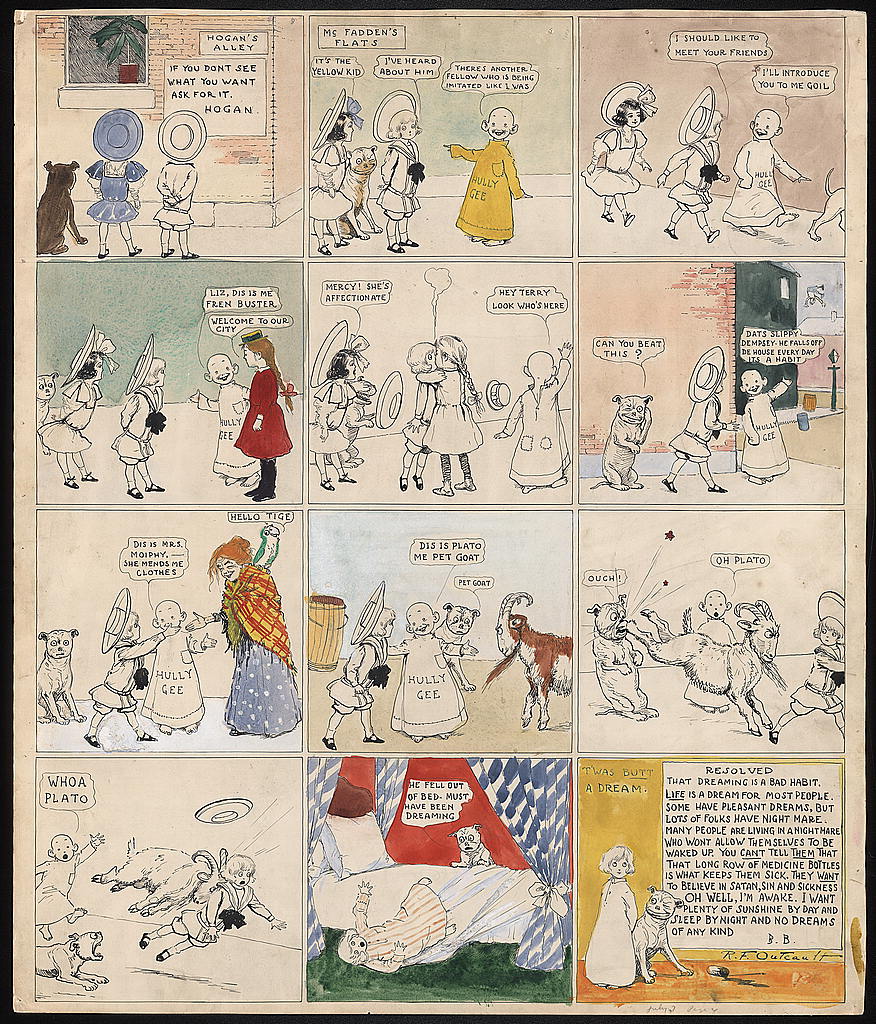
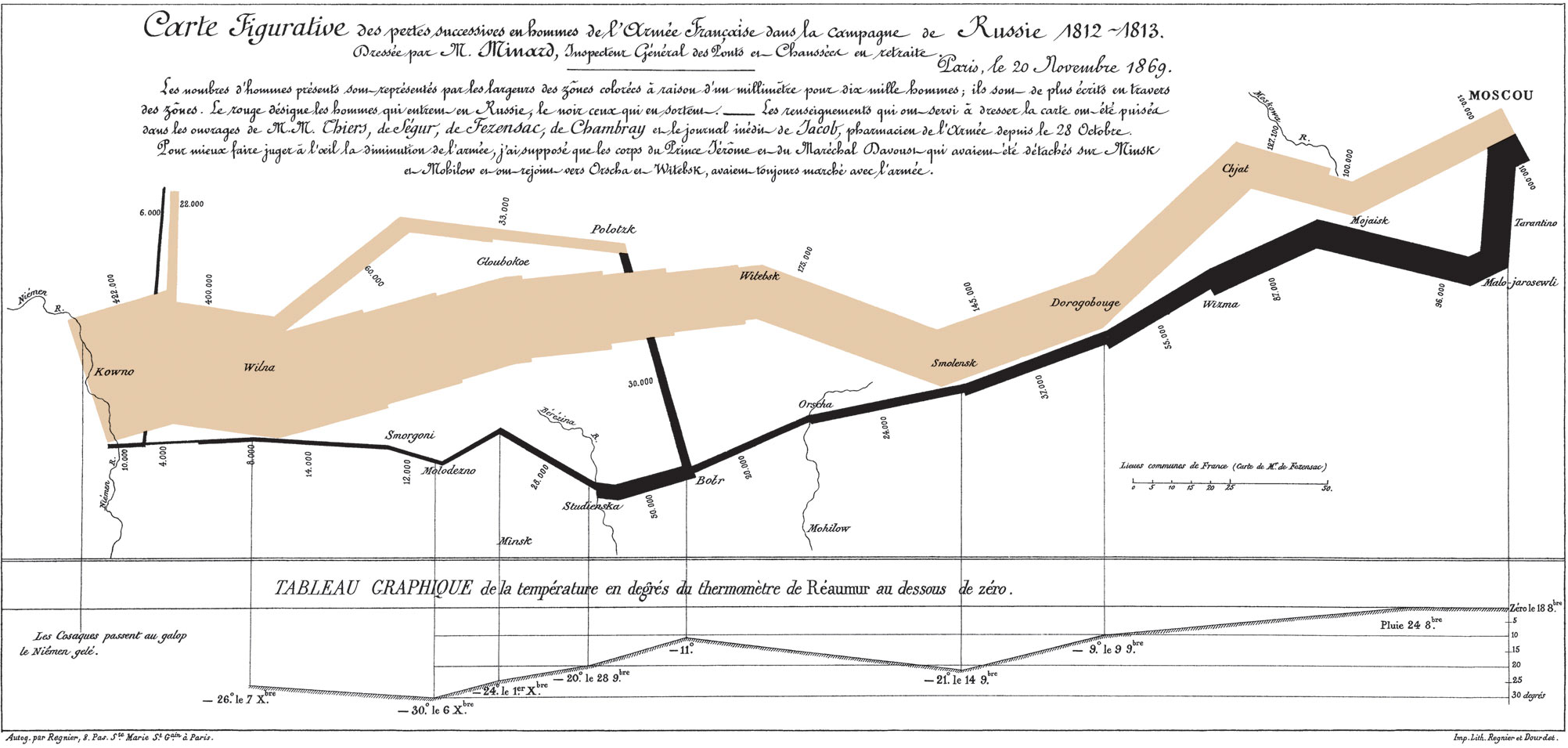
Playable and interactive projects turned systems into rules, paths, archives, maps, and consequences. The public did not only read a structure. It tested one.
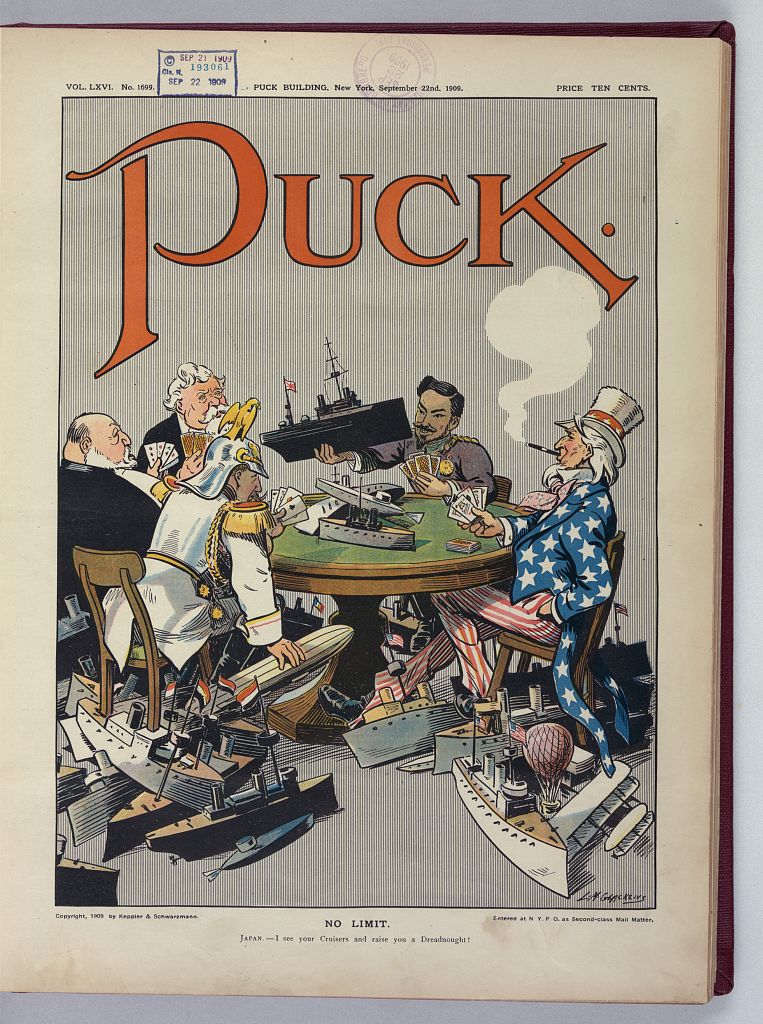
Works by Nonny de la Pena, The Guardian, The New York Times, and others used VR, 360 video, and spatial environments to test presence as a journalistic form.
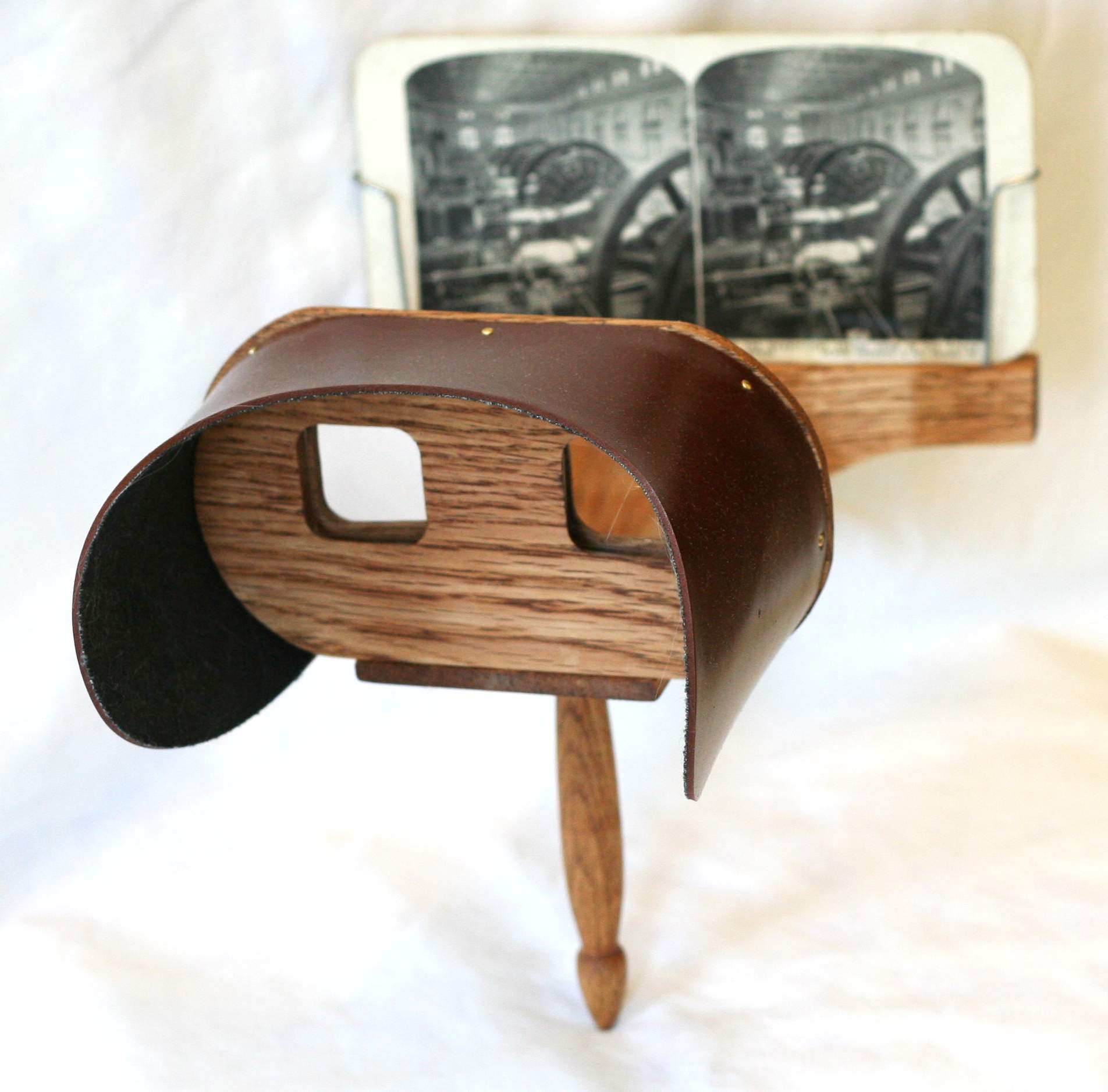
Forensic Architecture and related practices use spatial analysis, models, open-source evidence, exhibitions, and public methods to make complex evidence inspectable.

Ask what older forms solved for attention, memory, participation, access, or scrutiny.
A new tool matters only when it makes evidence more legible or accountable.
The more powerful the encounter, the more visible the sourcing and limits must be.
The lineage matters because it shows repeated editorial decisions, not a single aesthetic.
Digital tools expanded the field. They did not invent form-based reporting.
The lineage is real, but the naming is contemporary and should be treated honestly.
This history crosses countries, formats, institutions, and politics. It should stay open to revision.
Historical forms can move people and still distort. The evidence test remains.
Historical source for Federal Theatre Project productions staging public issues.
Reference for the history and techniques of literary journalism.
Reference for the 1960s and 1970s movement using literary techniques in news writing.
Context for graphic journalism and reporting through drawing.
Reference for games and journalism as a field of practice.
Contemporary research-led public evidence and spatial investigation.
The first task is not to copy the past. It is to understand what kind of encounter the evidence needs now.