Artistic Journalism
vs Arts Journalism
One reports on art. The other uses artistic or public form to report reality.
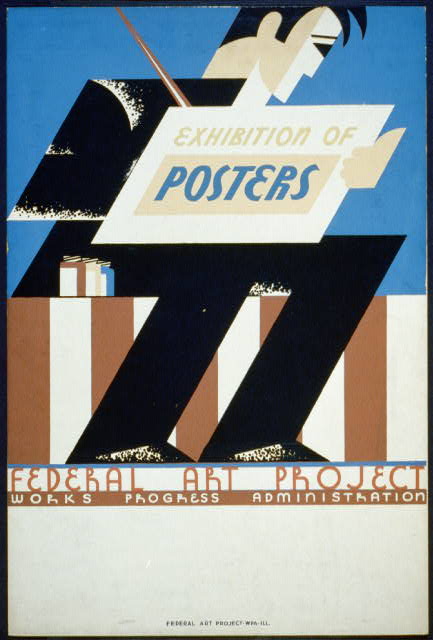
Art as subject.
Arts journalism reports on culture: reviews, profiles, previews, criticism, museum investigations, cultural policy, film, music, theatre, books, festivals, and institutions.
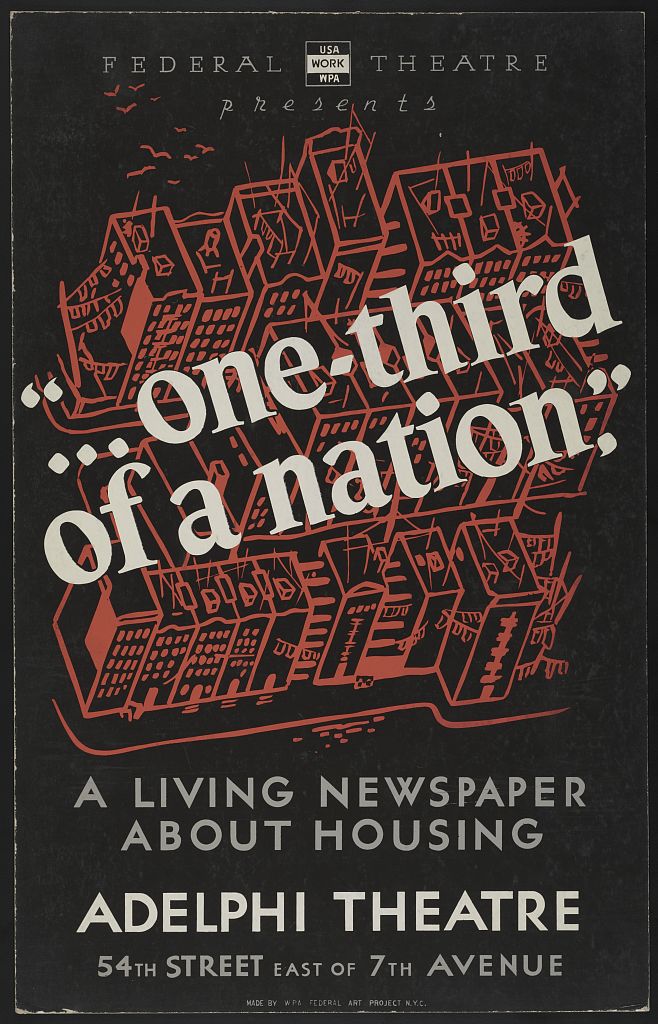
Form as method.
Artistic Journalism reports any public issue through deliberate form: stage, game, comic, installation, sound, immersive space, literary structure, or research model.
Arts journalism reports on art. Artistic Journalism uses form to report reality.
The confusion is understandable because both practices may involve artists, venues, images, performances, exhibitions, criticism, and cultural language. But the distinction is not the vocabulary. It is the job the form performs.
A review of a play is arts journalism. A play built from court records, interviews, public documents, and testimony about housing policy may become Artistic Journalism. The first covers a cultural object. The second makes journalism public through a cultural form.
Same word family. Different work.

The overlap exists. It just does not erase the boundary.
It can be both
A project about a cultural institution can use installation, performance, archive, or game form as part of the reporting method.
It can be only arts journalism
A review, profile, preview, or cultural news piece does not become Artistic Journalism because the prose is stylish.
It can be Artistic Journalism with no art subject
A story about migration, labor, climate, or war can use theatre, comics, game rules, sound, or spatial modelling as its public form.
Put the examples on opposite sides.
Arts journalism
A review of a theatre premiere
A reported profile of a filmmaker
An investigation into museum funding
A festival preview or cultural policy story
Artistic Journalism
Living Newspaper staging public policy
The Uber Game turning labor reporting into rules
Comics journalism reporting conflict and memory
Forensic Architecture turning evidence into public models
Four questions settle most confusion.
What is the subject?
If the subject is art, artists, venues, institutions, or cultural events, you may be in arts journalism.
What is the method?
If form carries evidence through performance, rules, drawing, space, sound, installation, or model, you may be in Artistic Journalism.
Could the subject change?
If the same method could report labor, migration, health, or climate, the form is doing work beyond arts coverage.
What must be credited?
If collaborators shape the journalism, the work needs visible credit, rights, and editorial responsibility.
Starting points, not decoration.
Arts and Culture concentration
Institutional reference for arts and culture as a journalism beat.
Art Criticism
Reference for criticism as judgment and interpretation of cultural work.
Journalism
Baseline reference for journalism as collection, preparation, and distribution of news.
Literary Journalism
Shows how artistic technique can belong to nonfiction method rather than cultural subject matter.
Living Newspaper
Historical example of theatre used to report public life.
Artistic Journalism
Scholarly source for separating cultural journalism from journalism as artistic practice.
Keep the boundary sharp.
The distinction protects both fields. Arts journalism deserves its own rigor. Artistic Journalism needs its own method test.