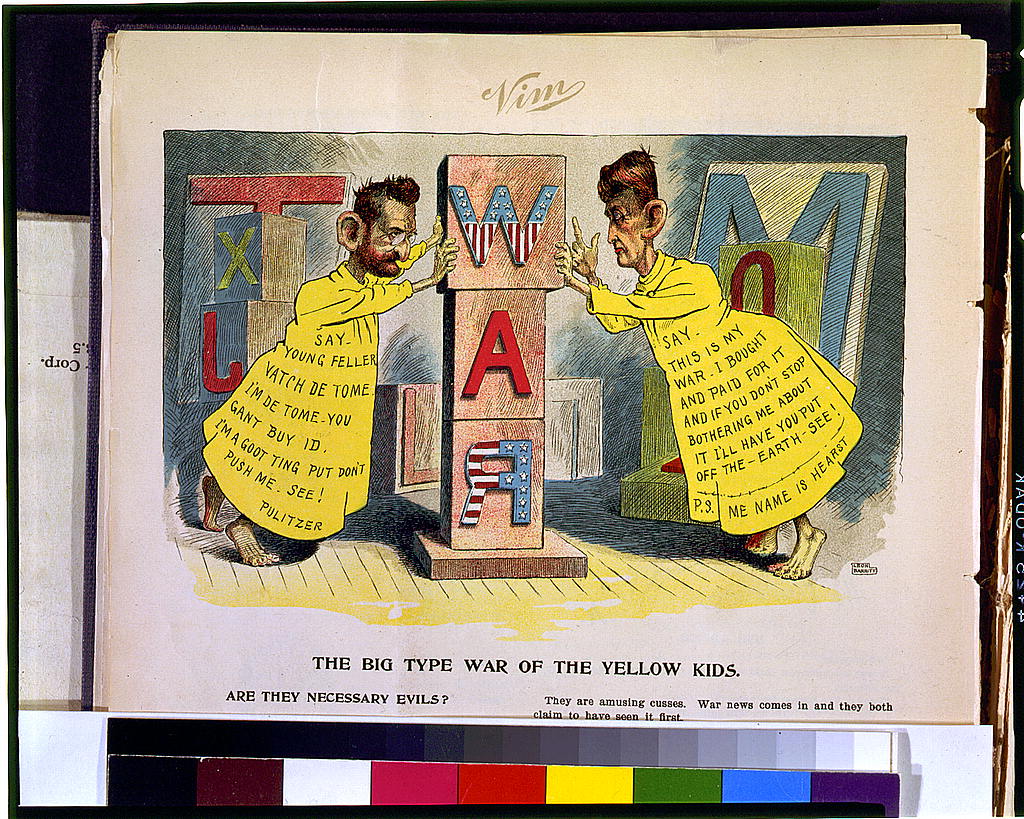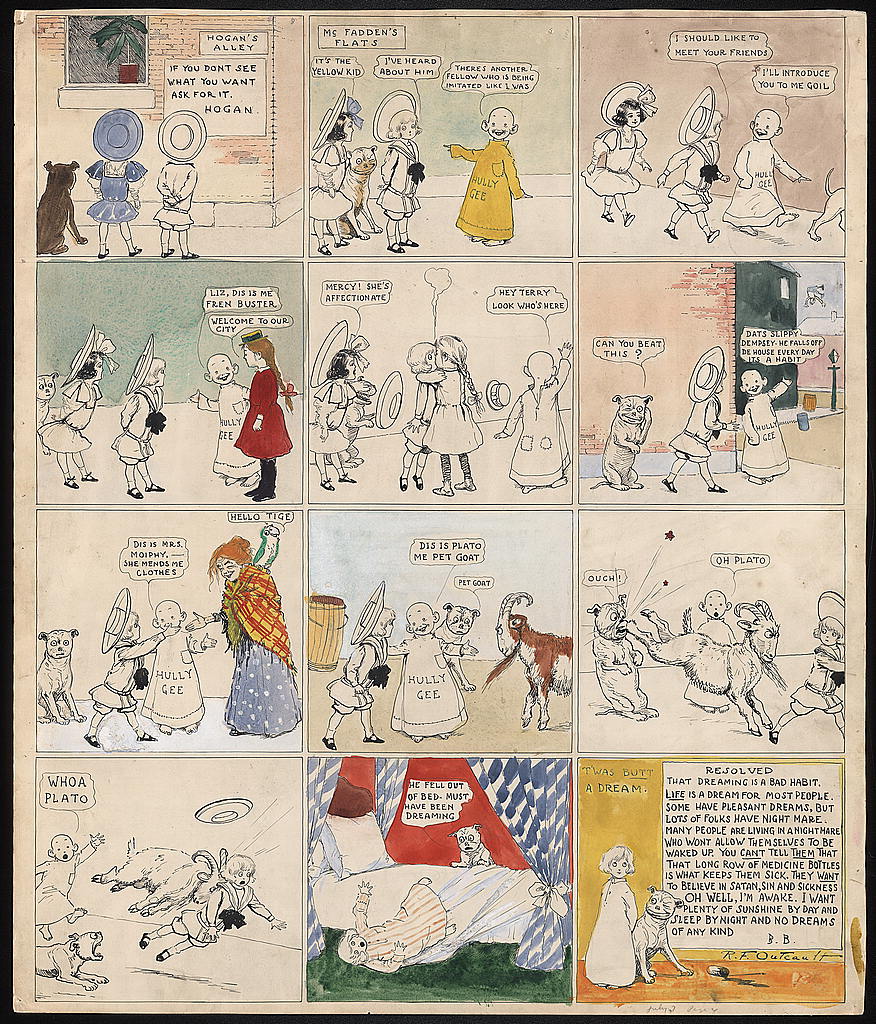
Comics journalism asks the reader to do a physical kind of thinking. The eye moves from panel to panel. The mind supplies time inside the gutter. A face returns with a different expression. A repeated street corner becomes evidence of waiting. A caption can interrupt the image and remind the reader how much of the scene is observed, remembered, translated, or reconstructed.
That makes the form especially useful for stories where ordinary visual evidence is missing or ethically difficult: war zones, detention, migration, courtrooms, grief, childhood, memory, and dangerous testimony. A drawing can protect a person while still letting the public understand posture, distance, fear, routine, and place.
The drawing must not become permission to invent. Comics journalism earns trust by making its subjectivity inspectable. It can show the reporter listening, the source remembering, the archive failing, and the scene being rebuilt. The reader sees not only what happened, but how the journalist knows.