Drawing / diagram / witness

Drawing
Is A Method

Illustrative journalism reports through line, label, diagram, witness, and reconstruction. Decoration is the smallest job drawing can do.

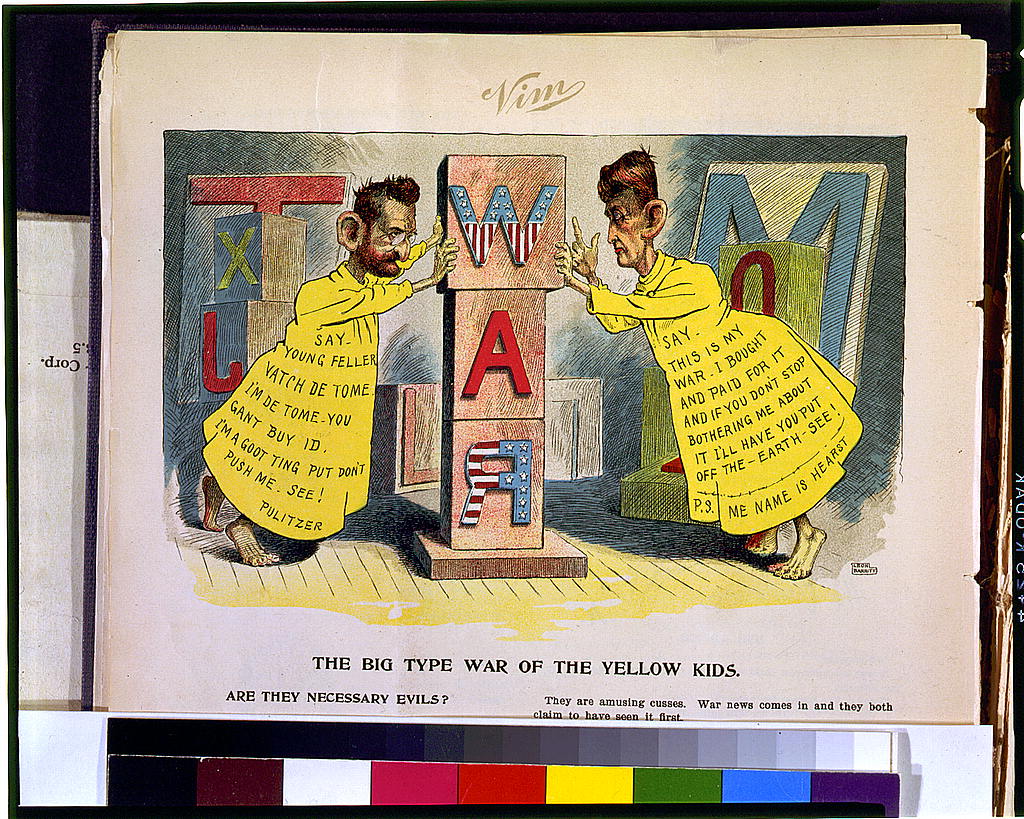
Cartoon depicting newspaper publishers as Yellow Kid figures pushing blocks spelling war.
PRESS / CARTOON
War cartoonLibrary of Congress

An illustration becomes journalistic when the drawing answers a reporting problem.

Cameras can be banned, unsafe, absent, too literal, or too noisy. Illustration can clarify a system, protect a source, map a room, annotate a document, or reconstruct an event from visible evidence and testimony.

That freedom is risky. Every mark must know what it is: observed, inferred, symbolic, composite, or unknown.

// DEFINITION

Visual reporting for what needs drawing to become public.

Illustrative journalism uses original visual work as evidence explanation: field sketches, courtroom drawings, diagrams, visual essays, annotations, maps, cutaways, and reconstruction.

The image should not merely attract the eye. It should perform an editorial task the prose, photo, chart, or video cannot do alone.

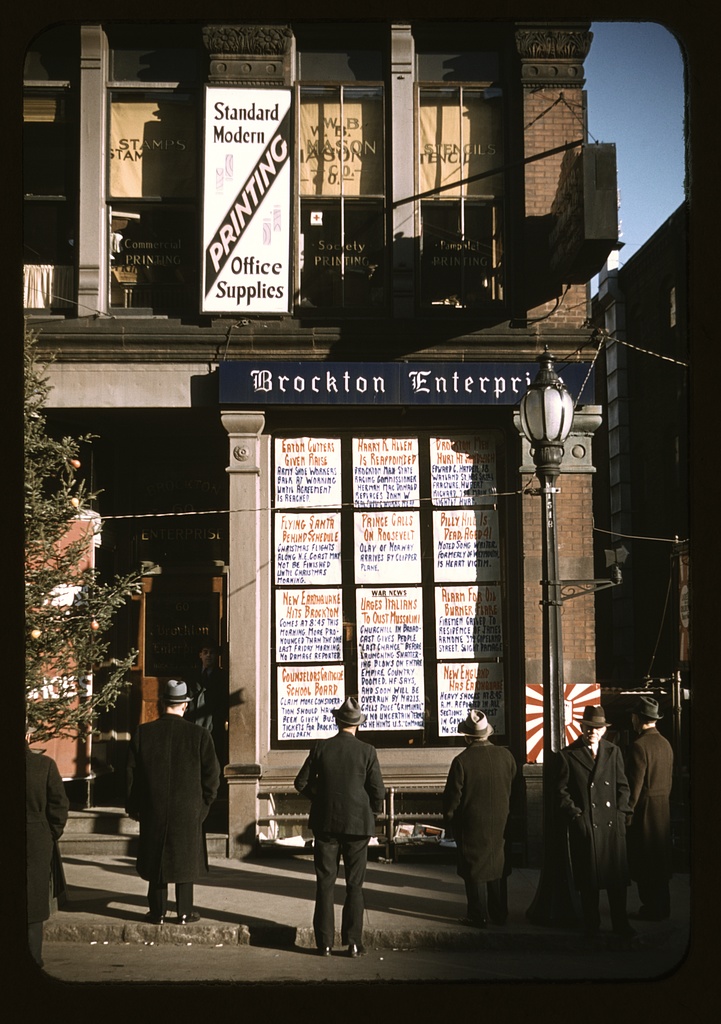
People reading newspaper headlines posted outside a newspaper office.
STREET PAGE
Headlines on the streetLibrary of Congress

Illustration becomes journalism when it takes responsibility for showing what the reporting knows. A courtroom sketch is not there because the page needs texture. It is there because the public has a right to see a proceeding that cameras cannot enter. A diagram is not decoration when it explains a route, a machine, a wound, a building, a chain of command, or a hidden system.

The best illustrative work does not pretend that drawing is neutral. It uses line, emphasis, scale, labels, and omission with discipline. A cutaway can reveal a system, but it can also simplify too much. A reconstructed scene can clarify testimony, but it can also turn partial knowledge into confident theatre. A portrait can protect identity, but it can also flatten a person into type.

The editor's job is to make the truth status of the image legible. What did the artist see? What came from a document? What came from multiple interviews? What is symbolic? What is unknown? When the answer is visible, illustration stops being ornament and becomes a reporting instrument.
// FORM BOUNDARIES

Not every drawn news image is doing the same job.

01

Comics journalism

Usually sequential. Panels and gutters make the reader move through time.

02

Illustrative journalism

Can be a single reported image, annotated scene, diagram, courtroom sketch, map, visual essay, or explainer.

03

Visual journalism

The wider field: photography, video, graphics, data, design, motion, illustration, and interactive work.

04

Editorial art

Often interprets or comments beside a story. It becomes journalism only when the visual work carries reported evidence.

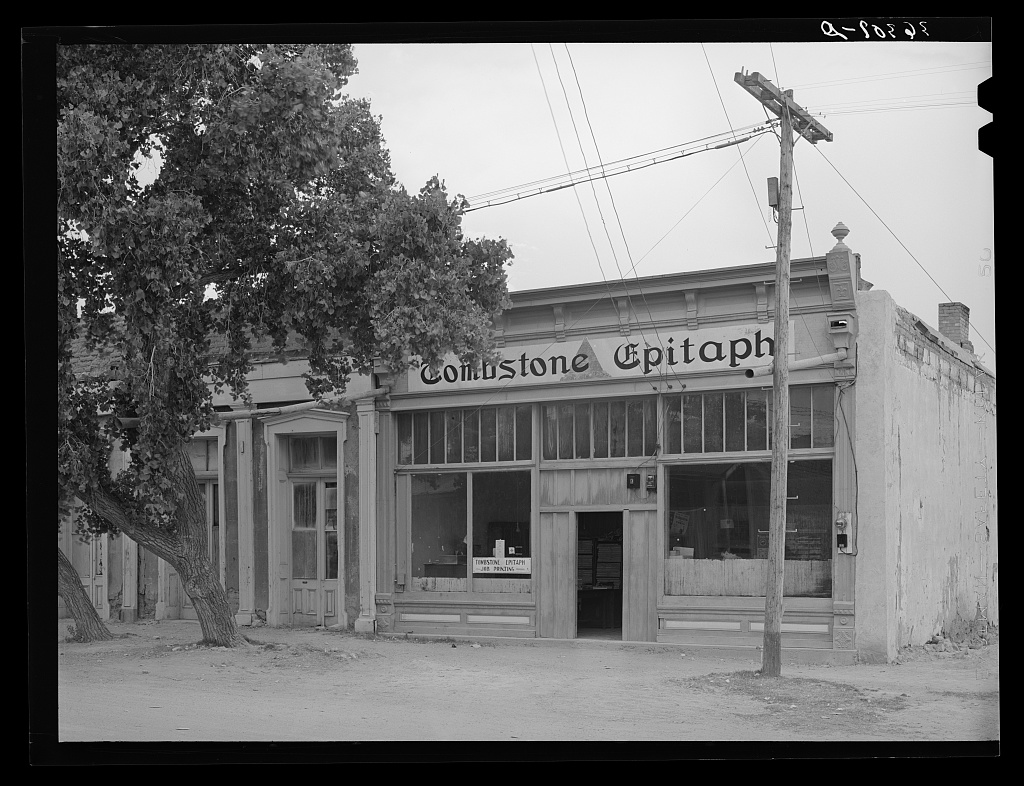
Interior of a newspaper office in Tombstone, Arizona.
NEWSROOM
Newspaper officeLibrary of Congress
// WHEN DRAWING REPORTS

Use illustration when it adds evidence, not mood.

Court

When cameras are barred, the sketch artist becomes a public visual witness.

System

A diagram can reveal pipes, money, route, hierarchy, chronology, or causal structure.

Protection

Drawing can keep a source recognizable as human while removing identifying details.

Unavailable scene

A past, hidden, dangerous, or restricted event can be reconstructed with visible limits.

// EVIDENCE KEY

The image needs a legend for truth status.

Observed

Drawn from field observation, courtroom presence, photographs, video, measurement, or direct records.

Inferred

Built from testimony, repeated accounts, expert review, spatial logic, or partial records.

Symbolic

Arrows, labels, color fields, icons, cutaways, and diagrams that explain rather than depict.

Unknown

Areas left blank, dark, rough, cropped, or explicitly marked because the evidence stops there.

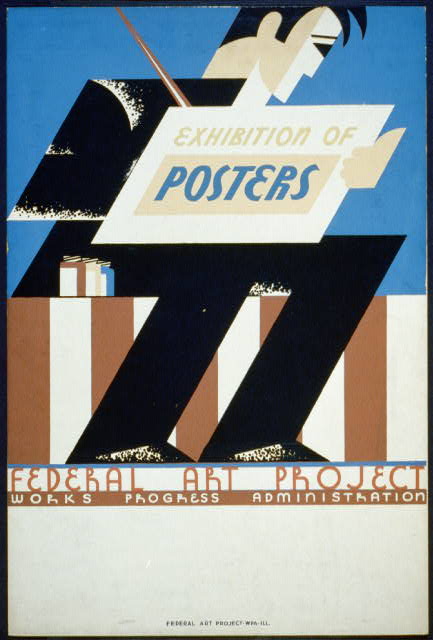
WPA poster advertising an exhibition of posters.
PUBLIC DISPLAY
Poster exhibitionLibrary of Congress
// ETHICS

A beautiful drawing can become a beautiful lie.

Prettified harm

Do not make violence, poverty, or grief visually seductive in ways that dull the reporting.

Confident fiction

Do not fill gaps with plausible details and let the reader mistake them for observed facts.

Default bodies

Race, age, gender, disability, posture, and expression must not drift into lazy defaults.

Alt text

If the drawing carries evidence, accessibility text must carry that evidence too.

// NEXT MOVE

Draw only what the reporting can hold.

The next move is an evidence key before an art brief: observed, inferred, symbolic, unknown, protected, and accessible. That is where the illustration becomes journalism.