
Rules / choice / consequence

Mechanics
Are Claims

A newsgame is not news with points attached. It is reporting translated into a system the reader can test.

Hand-colored printed game board with numbered spaces.
RULE SYSTEM
Snake game boardLibrary of Congress
Rules report.

The difference between a quiz and a newsgame is the evidence chain. The player should feel pressure because the reporting found pressure. They should fail because the system makes failure legible, not because the designer wanted drama.

Newsgames are strongest when the public issue is structural: labor, debt, migration, misinformation, health geography, climate policy, bureaucracy, scarcity, and incentives.

// DEFINITION

Playable journalism uses rules as evidence, not decoration.

A newsgame builds a public issue as a rule system. The player acts inside constraints that were found through reporting: money, time, distance, policy, algorithm, risk, fatigue, scarcity.

The game is not a wrapper around the story. The game is the argument. Every rule says something about how the world works.

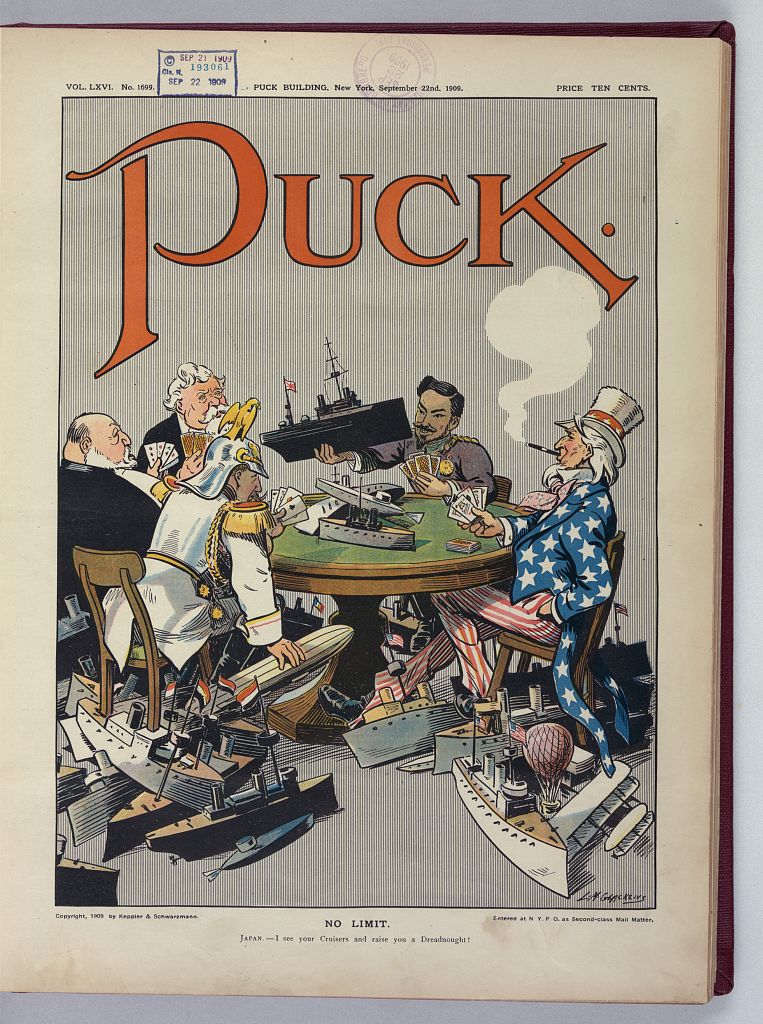
Political figures seated around a poker table in a satirical political game image.
POWER / INCENTIVE
Political pokerLibrary of Congress
// SYSTEMS READING

A newsgame should begin as reporting, not as interaction design. The team has to find the forces that shape the public issue: the price that keeps changing, the queue that punishes delay, the rating that controls income, the checkpoint that closes a route, the budget that makes the ethical answer impossible. Only then can play become more than an attention trick.

The best examples do not ask the reader to win the news. They ask the reader to experience a constraint long enough to understand it. That distinction matters. A game about forced migration should not suggest that safety is a clever route choice. A game about precarious work should not imply that poverty is poor strategy. The mechanics have to report pressure without blaming the people under it.

This is why the evidence-to-mechanics translation is the moral center of the form. Every variable is an editorial claim. Every score is a politics of measurement. Every failure state teaches the reader what the newsroom believes about causality.

// EVIDENCE TO MECHANICS

The source becomes a rule. The rule becomes pressure.

The editorial work is not only writing copy. It is deciding which variables deserve to become playable, which ones must stay contextual, and which ones are too uncertain to simulate.

01

Source evidence

Driver interviews, wage pressure, location data, policy documents, health outcomes, climate models, migration testimony.

02

Rule

Time drains. Money disappears. Ratings punish refusal. Distance changes survival. Policy choices lag.

03

Player action

Accept a ride, send an ambulance, choose a route, cut a cost, publish a claim, spend a scarce resource.

04

Feedback

The system answers. The number moves. The map closes. The debt grows. The patient dies. The target slips away.

05

Editorial frame

The game discloses what it included, what it simplified, and what structural force the player just felt.

Japanese printed game-board scenes from a sugoroku game.
PLAYABLE PATH
Sugoroku game boardLibrary of Congress
// FAILURE TEACHES

Losing can be the most honest part of the story.

False agency

If real people cannot simply choose their way out, the game must not pretend the player can.

Scarcity

Budgets, time, health, documents, and routes can become playable without becoming entertainment.

Assumption log

Every rule should have a note: what source controls it and what was omitted.

No easy win

A newsgame may need to frustrate the player because the system frustrates real people.

// ETHICS

A playable model can make harm look solvable.

Do not gamify trauma

If the subject is suffering, the form must create understanding, not playable spectacle.

Do not hide assumptions

The model must disclose variables, omissions, sources, and editorial simplifications.

Do not blame the player

Failure should expose structural force, not imply that victims made poor choices.

Do not let software die silently

Flash-era projects show that newsgames need archiving plans before launch.

// NEXT MOVE

Prototype the rule before you build the game.

If the story is about a system, write the rule sheet first. What can the player do? What does the system do back? What evidence controls every consequence?