TESTRIS
THE POSITIVE RATE GAME
A choose-your-own-adventure game based on real reporting. Travel to 8 countries. Make decisions. Keep the positive rate below 5%.
PLAY THE GAME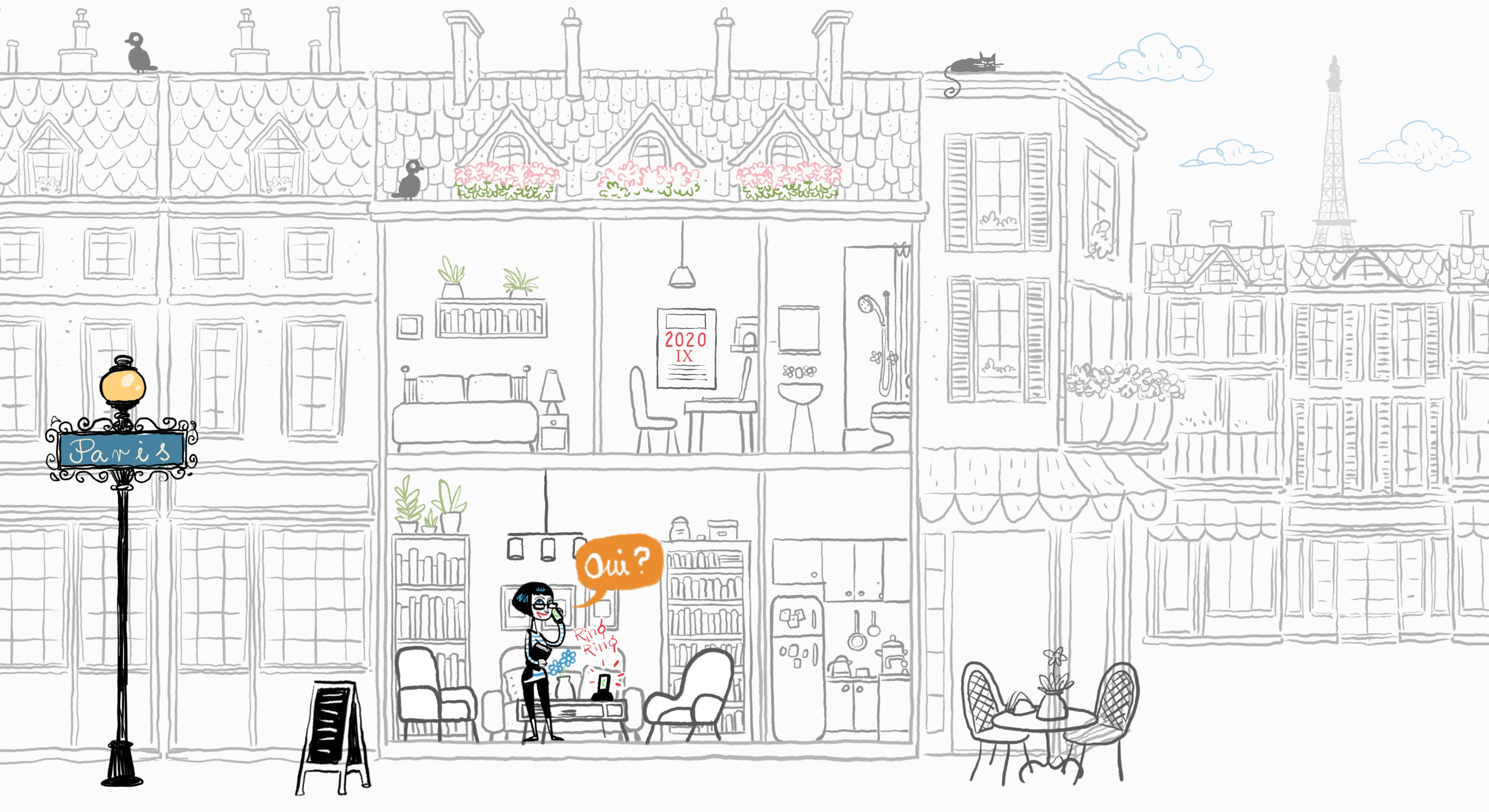
A GAME BUILT FROM REAL STORIES
The "positive rate" - the percentage of all COVID-19 tests that return a positive result - was the most reliable indicator of whether a pandemic was under control. A rate above 5% meant a country was only testing its sickest patients. A rate below 5% meant testing was wide enough to actually map the epidemic.
This number was invisible to most of the public. TESTRIS made it visceral.
Players travel between countries, step into real situations, make binary choices, and face consequences rooted in actual reporting. Five countries got the testing right. Three didn't - and the game shows why.
"IT IS NOT THE SAME READING ABOUT POOLED TESTING AS LEARNING IT BY PLAYING."- OUTRIDERS CASE STUDY · TESTRIS, 2021
8 COUNTRIES. 8 DECISIONS.
Five countries controlled the pandemic through testing. Three faced barriers that meant they never could. The game puts you inside both.
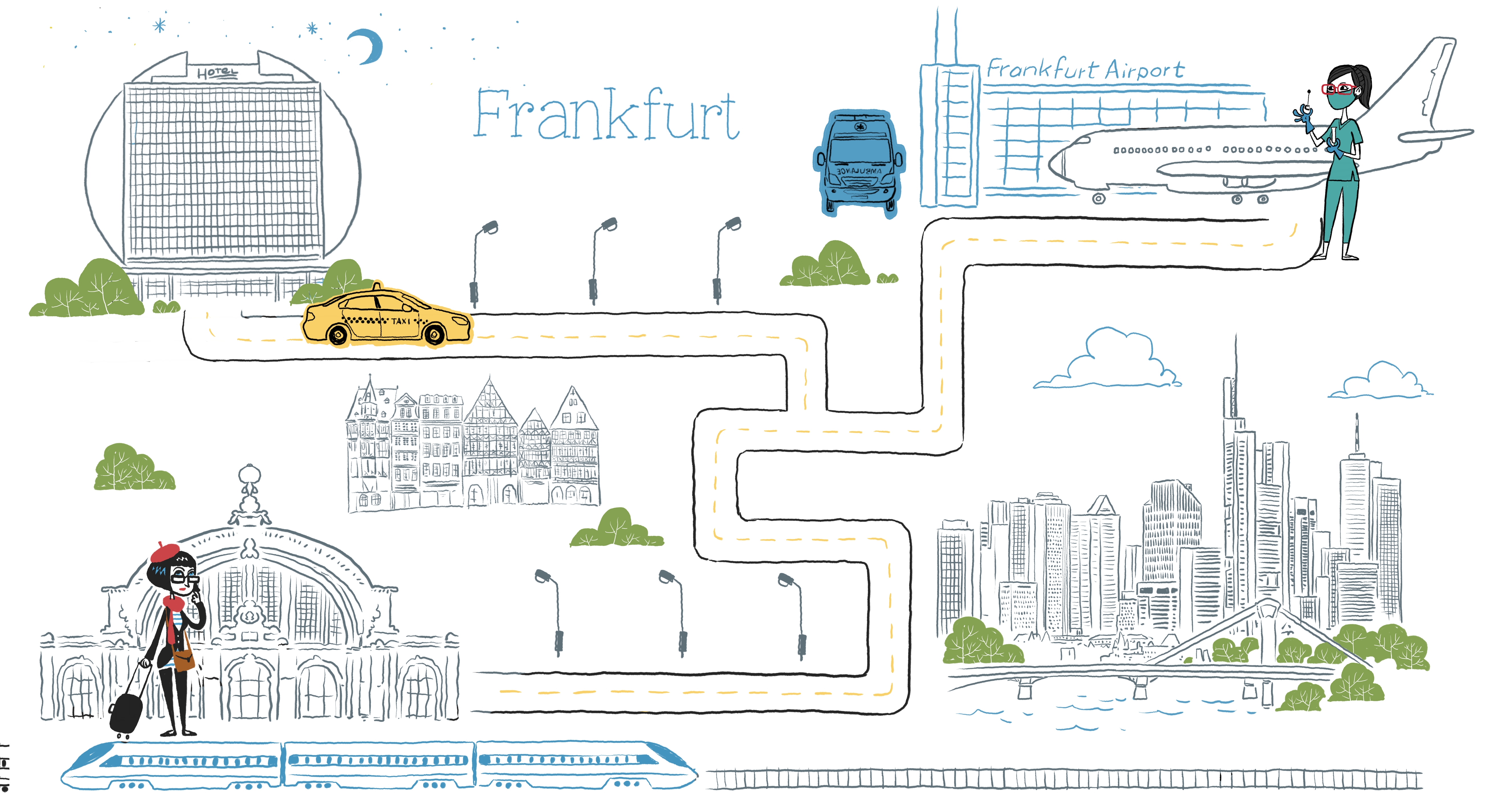
GERMANY
Monitored all arriving travelers with free PCR. Positive rate: 1.7%.
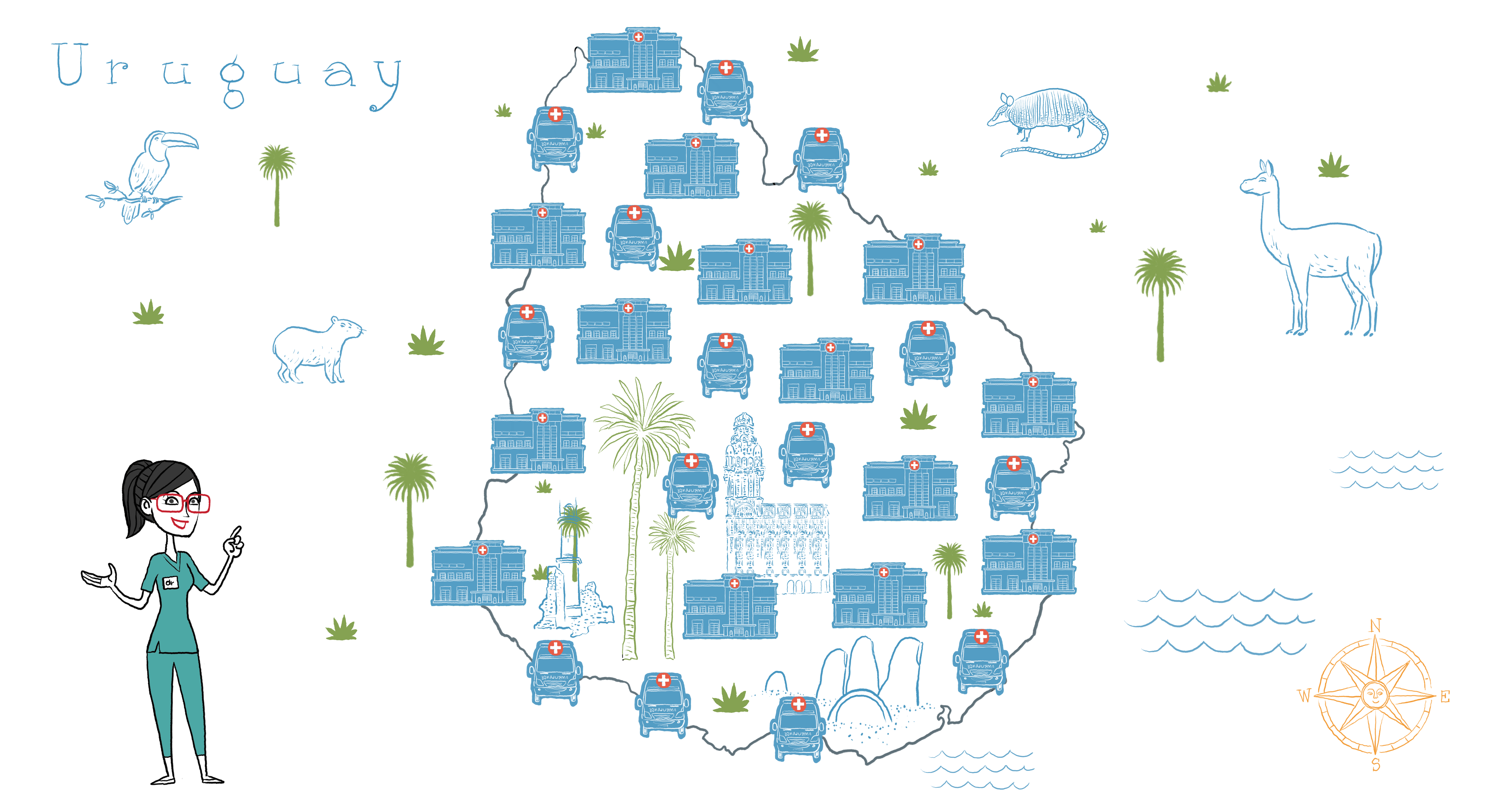
URUGUAY
When tests ran out globally, they built their own diagnostic kit.
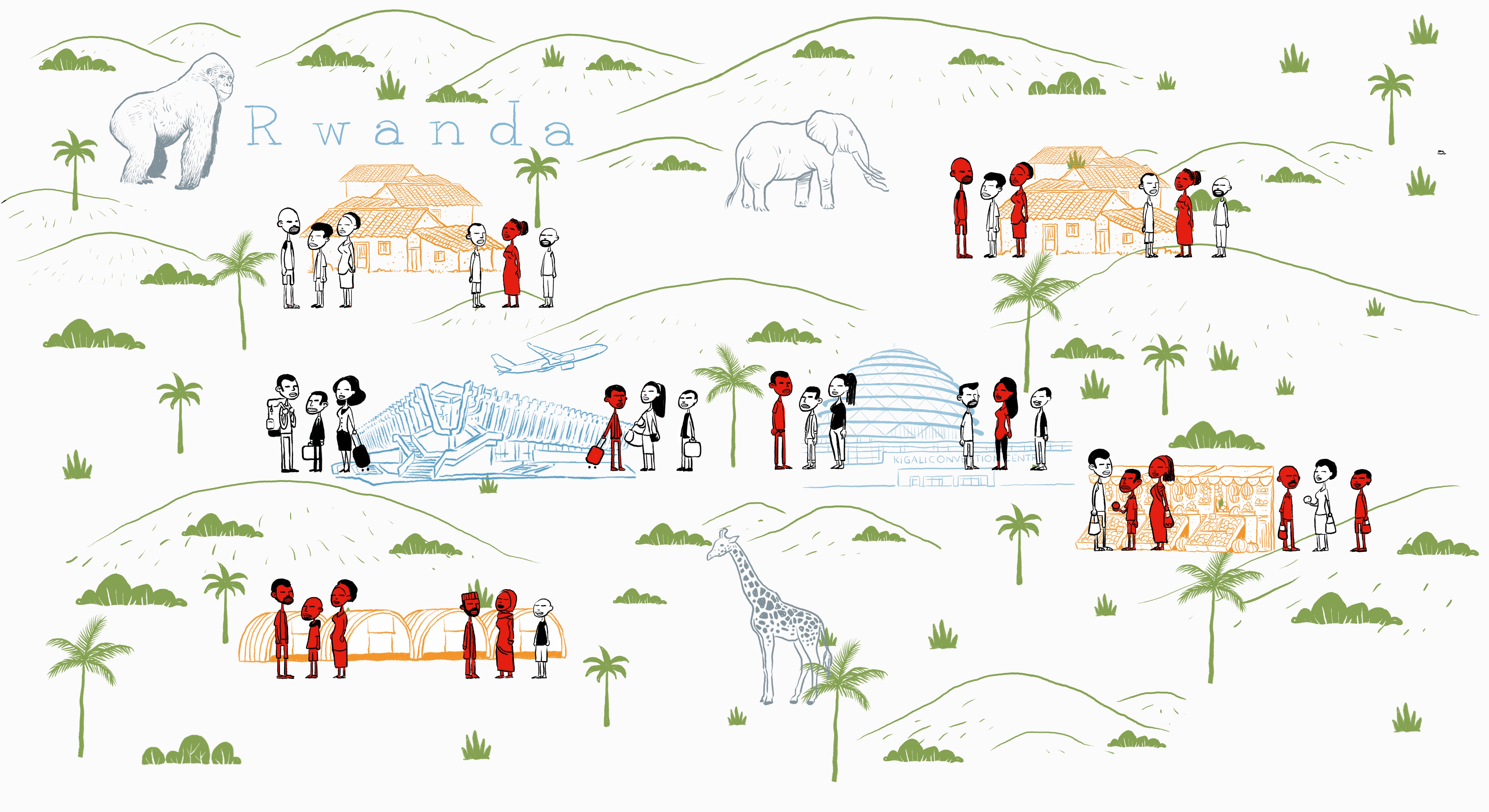
RWANDA
A pooled testing model that multiplied capacity at a fraction of the cost.

UAE
Onsite PCR at airports. Positive rate: 1%.
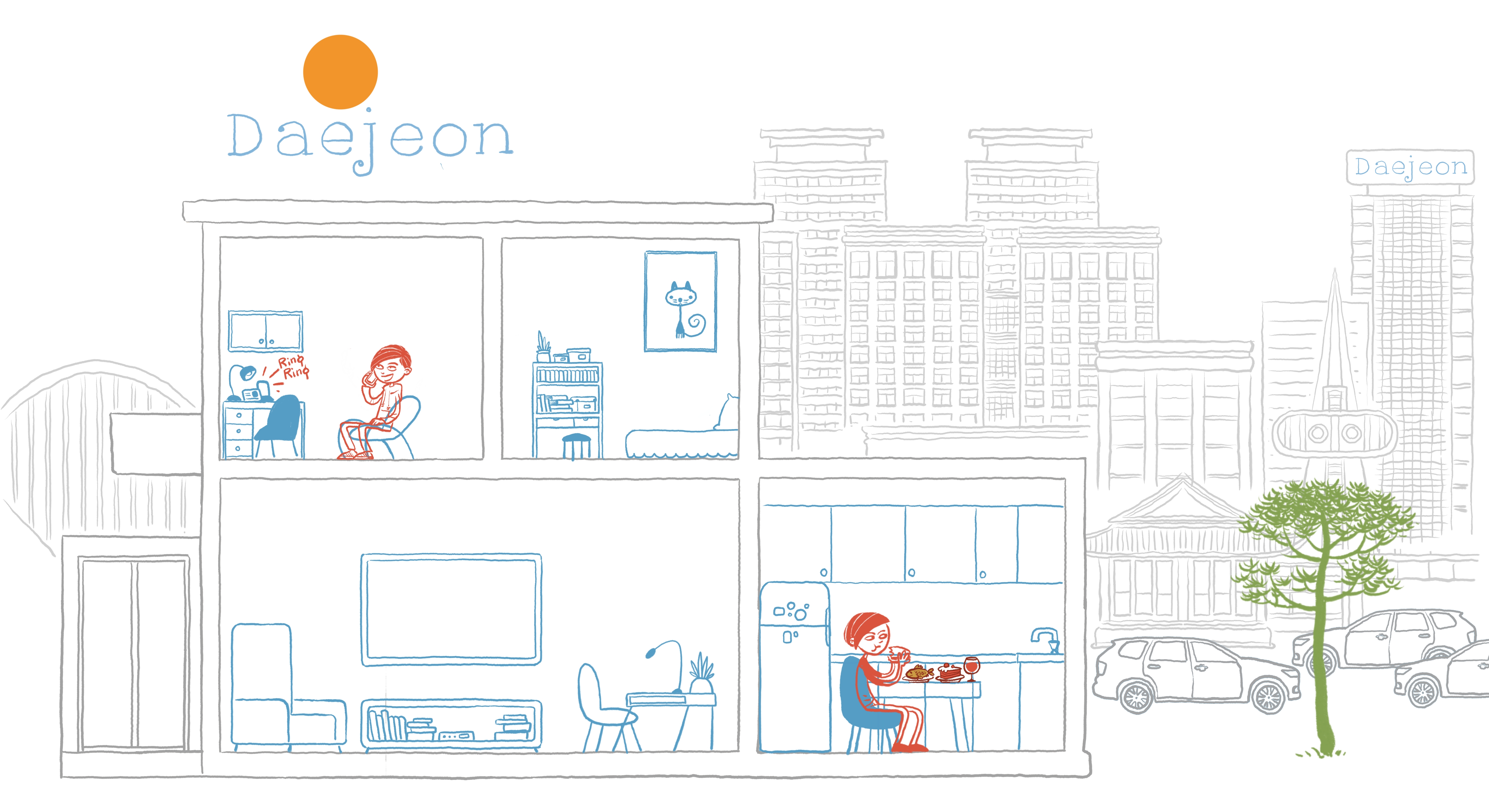
SOUTH KOREA
A tracking and testing system so sophisticated a patient documented it from inside quarantine.
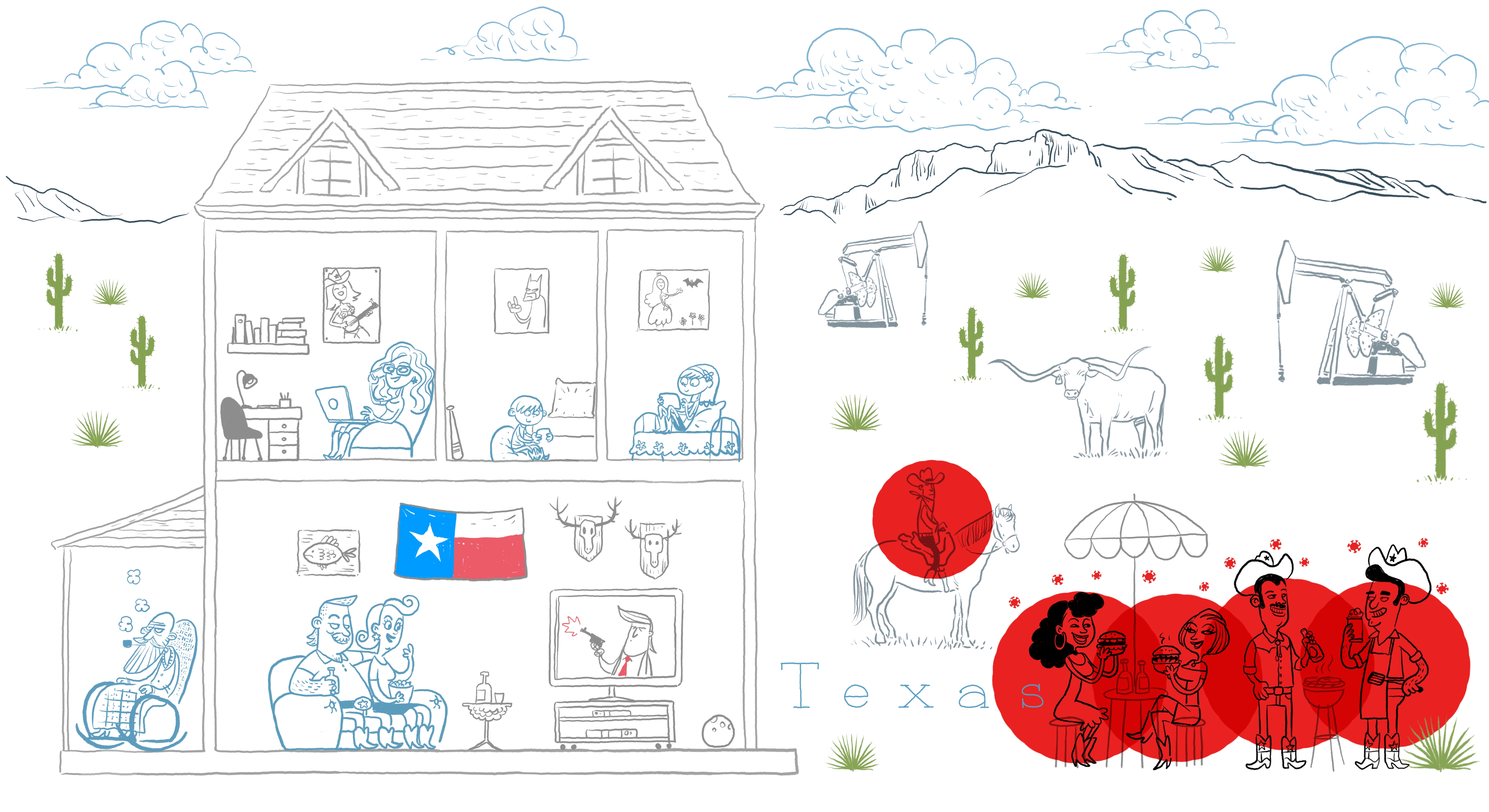
USA / TEXAS
More tests than any country. But a high positive rate that told a different story.

SPAIN / MADRID
PCR at 120 euros. Waiting. Confusion about where to go.
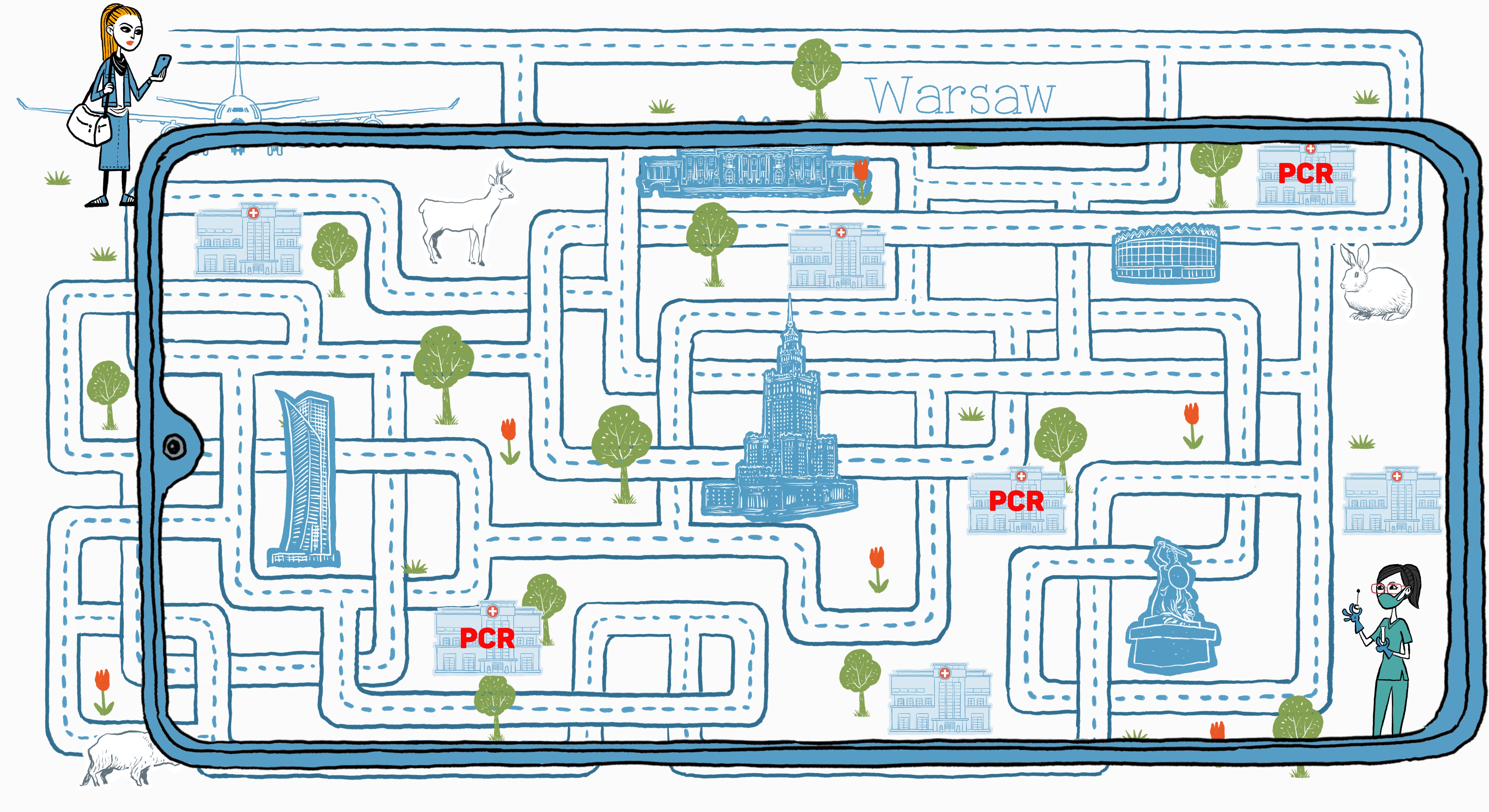
POLAND / WARSAW
The barriers weren't just logistical. They were political.
THREE RESEARCHERS.
THREE BREAKTHROUGHS.
The game includes video interviews with the scientists and observers who built, lived, or documented the most innovative testing strategies of 2020.
DR GONZALO MORATORIO
Co-creator of Uruguay's domestically developed COVID-19 diagnostic test - built in-country when the international market collapsed.
DR LEON MUTESA
The researcher behind Rwanda's pooled testing model - a mathematical approach that allowed the country to test exponentially more people at lower cost and in less time.
JIN KIM
A COVID-19 patient who became a YouTuber from inside his quarantine hospital, documenting South Korea's contact tracing and testing system in real time.
THE JOURNALISM INSIDE THE GAME
This was not a game with a journalism gloss. Every scenario was built from original reporting: a Google Form sent to 30 people across 17 countries, structured Zoom and WhatsApp interviews, and data from Johns Hopkins University and Oxford Martin School's Our World in Data.
The script was mapped in Lucidchart - a branching decision tree of binary choices: yes or no, this or that - before a single illustration was drawn or a line of code was written. Each country scenario existed as a standalone article before it became a game path.
The challenge was serious: how do you make a game about something that isn't funny? The answer was to treat the information with the same rigor as any other journalistic work - and use anecdote, specificity, and consequence to make it engaging. A businessman running virtual marathons in hotel room quarantine. A student who went to a party and now had to face the testing system.
Built with Vue.js, Nuxt.js, and Anime.js. Illustrations by Ernesto Gonzales.
"WE THINK A GAME CAN BE A FANTASTIC TOOL TO MAKE COMPLICATED CONTENT EASY AND ENGAGING FOR ALL KINDS OF READERS."- OUTRIDERS · TESTRIS CASE STUDY · 2021