HOW OUTRIDERS USED
COMIC JOURNALISM
TO REPORT SOLUTION
STORIES AMIDST
THE PANDEMIC
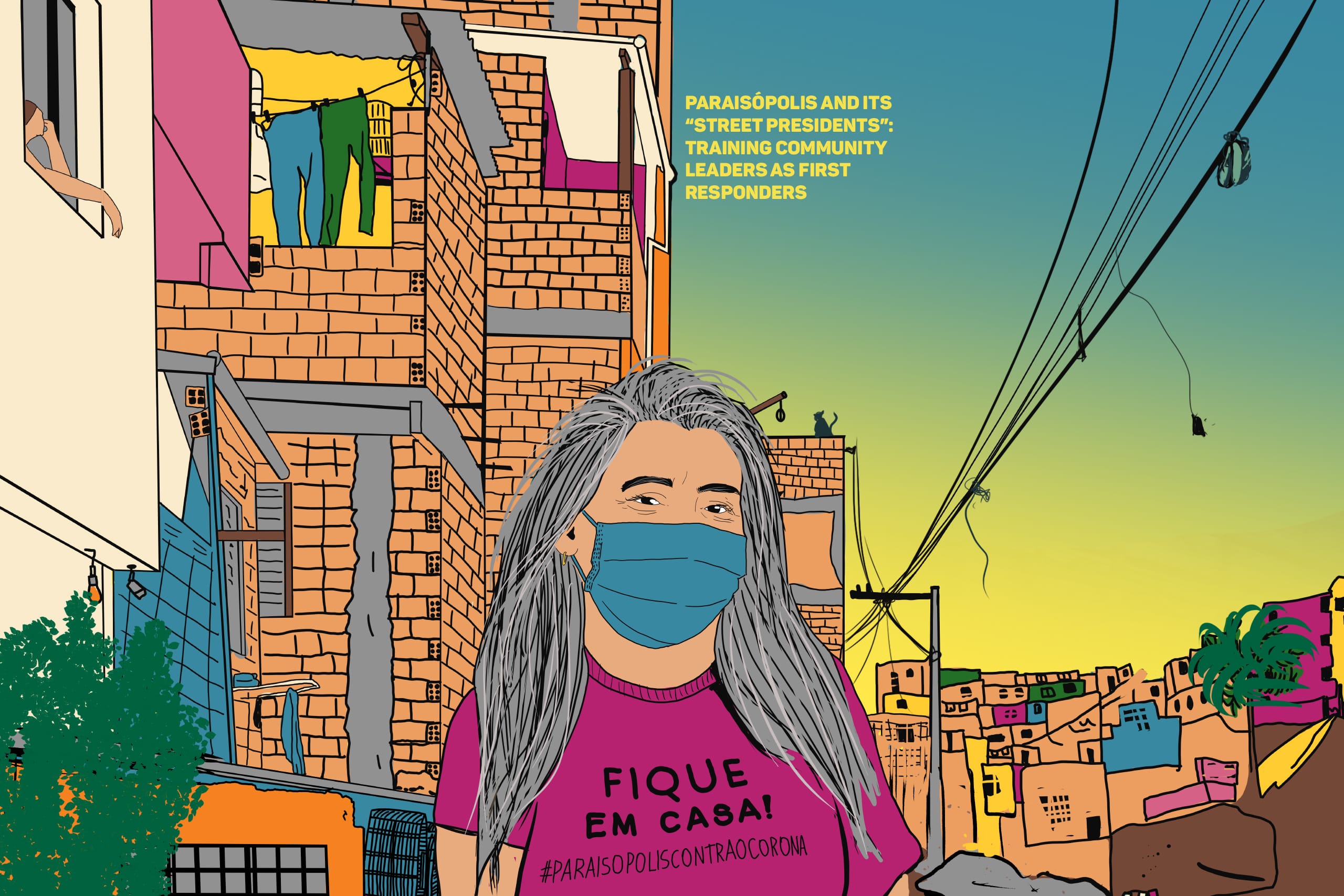
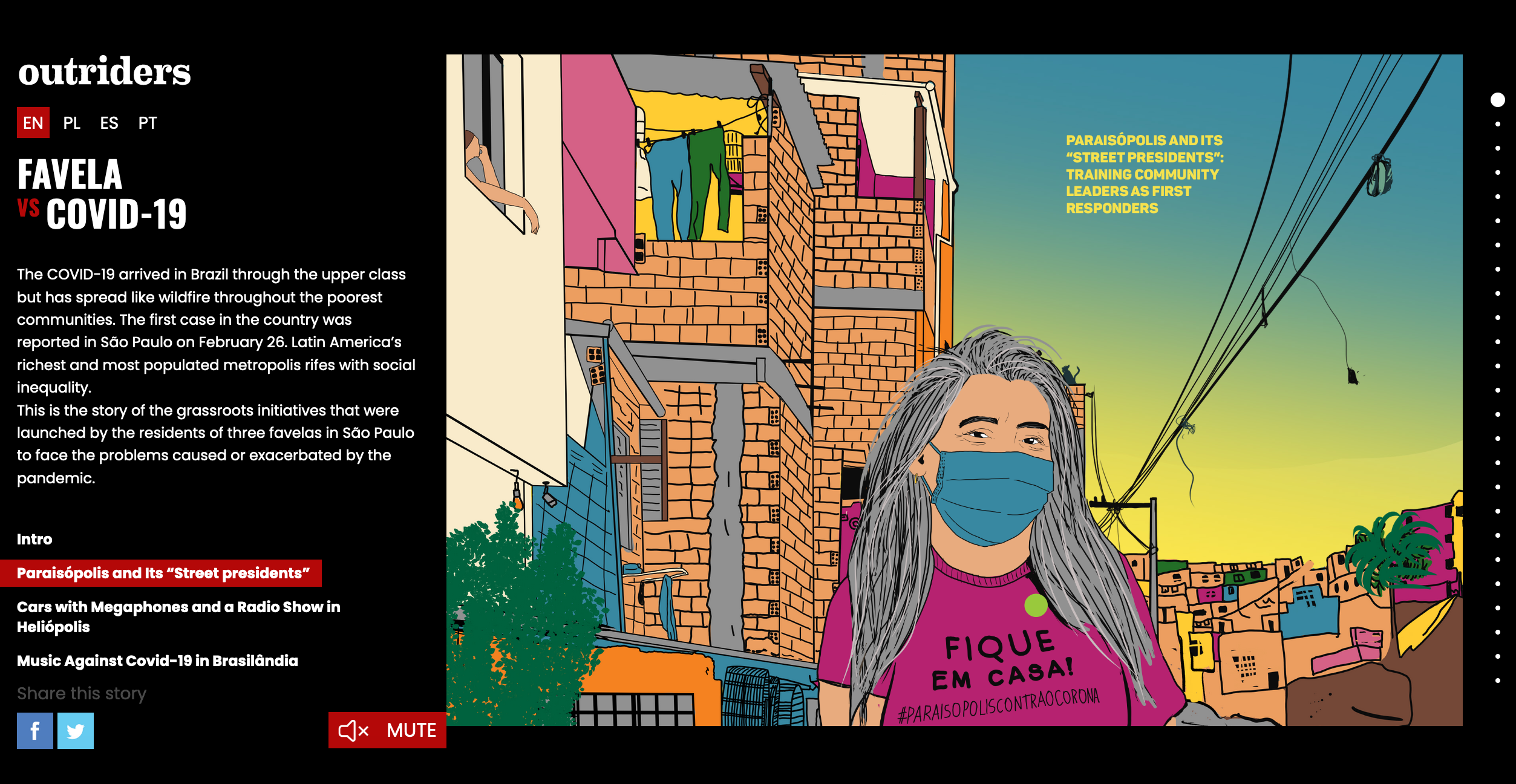
In October 2020, Outriders released a multimedia comic about the grassroots initiatives that were launched by the residents of some favelas in São Paulo to face the problems caused or exacerbated by the pandemic. The comic is entitled "Favelas vs COVID-19: What the residents living on the periphery can teach us about strategies to combat the pandemic." It was written by Brazilian journalist Priscila Pacheco, illustrated by comic illustrator Alexandre de Maio and coordinated by a cross-border team. The Solutions Journalism Network supported the project.
WHY A COMIC?
When Outriders decided to write about the solidarity initiatives in some Brazilian favelas during the pandemic, three premises had to be respected.
The first was safety. The team wanted to report on these favelas without exposing residents to unnecessary risk of contagion. The second was dignity. Media rarely write about the positive aspects of these neighbourhoods - Outriders wanted to focus on what was working, not just on what was broken. The third was attention. Readers were saturated with pandemic coverage; the format had to earn its place.
A comic resolved all three. Illustrations allowed reporting on the ground without an excessive physical presence inside the communities. The format gave the interviewees the role of protagonists rather than victims. And it offered an entry point for audiences exhausted by conventional news.
"A comic is an ideal format to cover sensitive topics - not only during a pandemic, but during a conflict or harmful event."
THE IDEA - SEARCHING POSITIVE RESPONSES
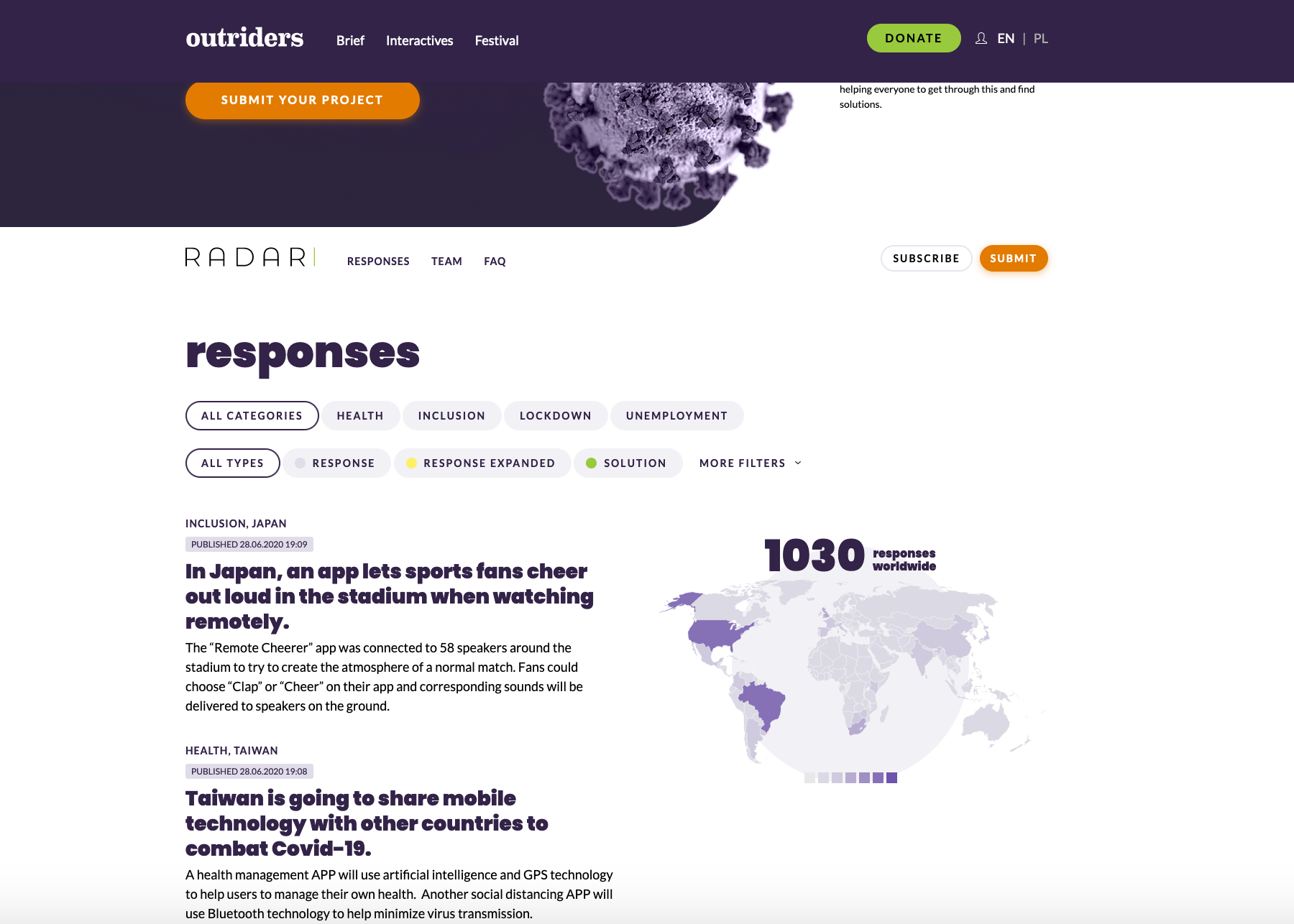
The idea grew out of a three-month cross-border research project. A team of Outriders journalists tracked positive responses to COVID-19 from around the world, building a public database called Radar that eventually collected more than 1,030 responses across dozens of countries.
Priscila Pacheco, the São Paulo-based journalist who collected initiatives from Latin America, identified patterns of solidarity in the favelas that kept reappearing. When Radar concluded, the team knew this material deserved a deeper investigation. They wanted to go further - to the ground, to the people, to the stories that didn't fit inside a database entry.
WHO - A LOCAL APPROACH AND A CROSS-BORDER PRODUCTION
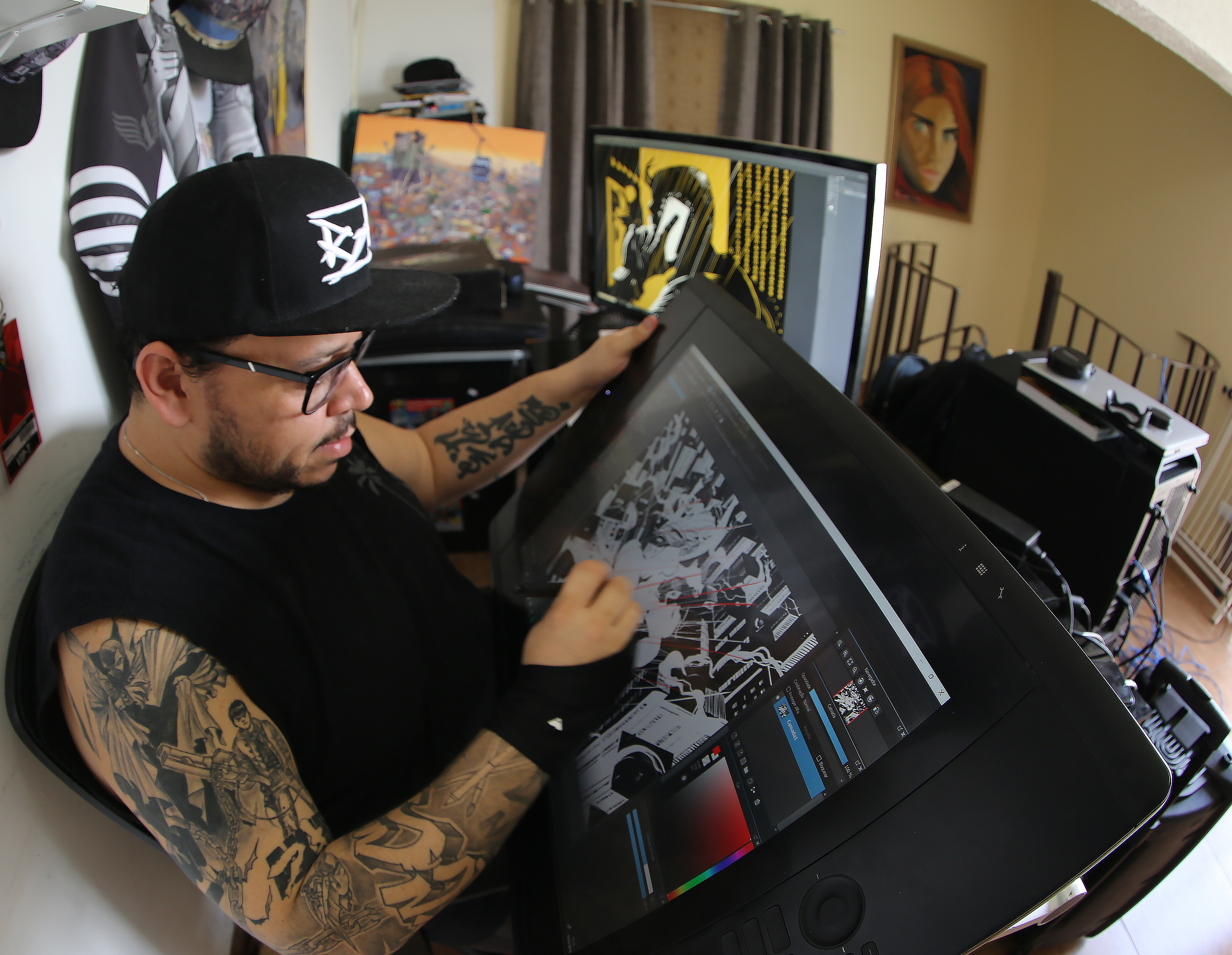
The story required someone who knew the neighbourhoods from the inside. Priscila Pacheco had worked in favela journalism since graduating in 2014, starting at Mural, a favela news agency in São Paulo. Her collaborator, illustrator Alexandre de Maio, had begun his career at Rap Brasil magazine - working on stories from the outskirts. He had previously produced a comic about the 2016 Olympic Games that was a finalist three times for the Prêmio Gabriel García Márquez of Journalism.
Their collaboration was embedded in a larger cross-border production: coordination and post-production from Poland and Spain, design in Warsaw, development in Kraków, translation into four languages.
THE METHOD - RESEARCHING, INTERVIEWING AND DRAWING
The process followed the structure of traditional journalism. The first step was researching and identifying the stories, scenarios and characters to document. After identifying the three main initiatives, the team used a solutions journalism outline to frame the work: problem, response, how the response works, evidence, insights, limitations, characters and sources.
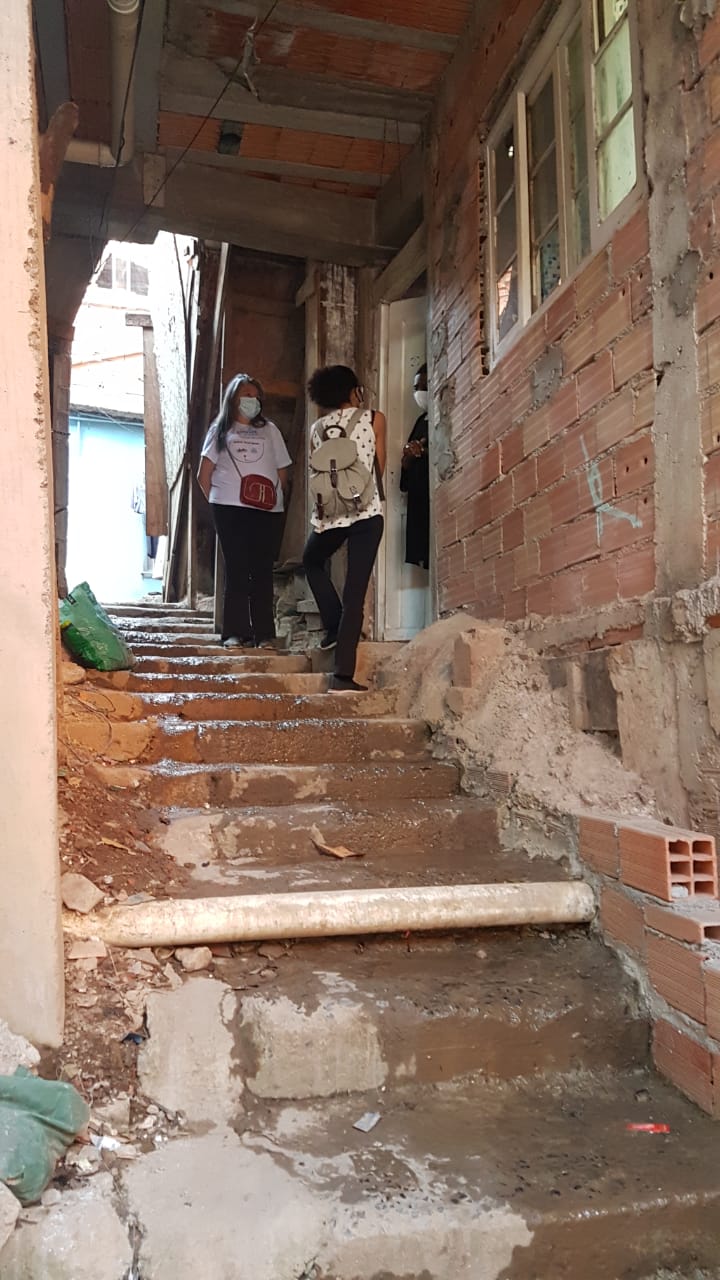
The next step was field reporting. On several occasions, Priscila Pacheco and Alexandre de Maio visited the favelas together. Where visits were not strictly necessary, interviews were conducted by phone and the illustrator worked from photographs provided by the organisations themselves.
The comic was originally written in Portuguese. The decision was deliberate: the story uses a conversational register, with real dialogue from real people, and preserving that meant writing in the language it happened in. English, Spanish and Polish versions were translated from the Portuguese source.
"We wanted to tell the story entirely through comic-book style. To do this, we had to collect a lot of archive material. Of course, this was difficult to do during a pandemic."
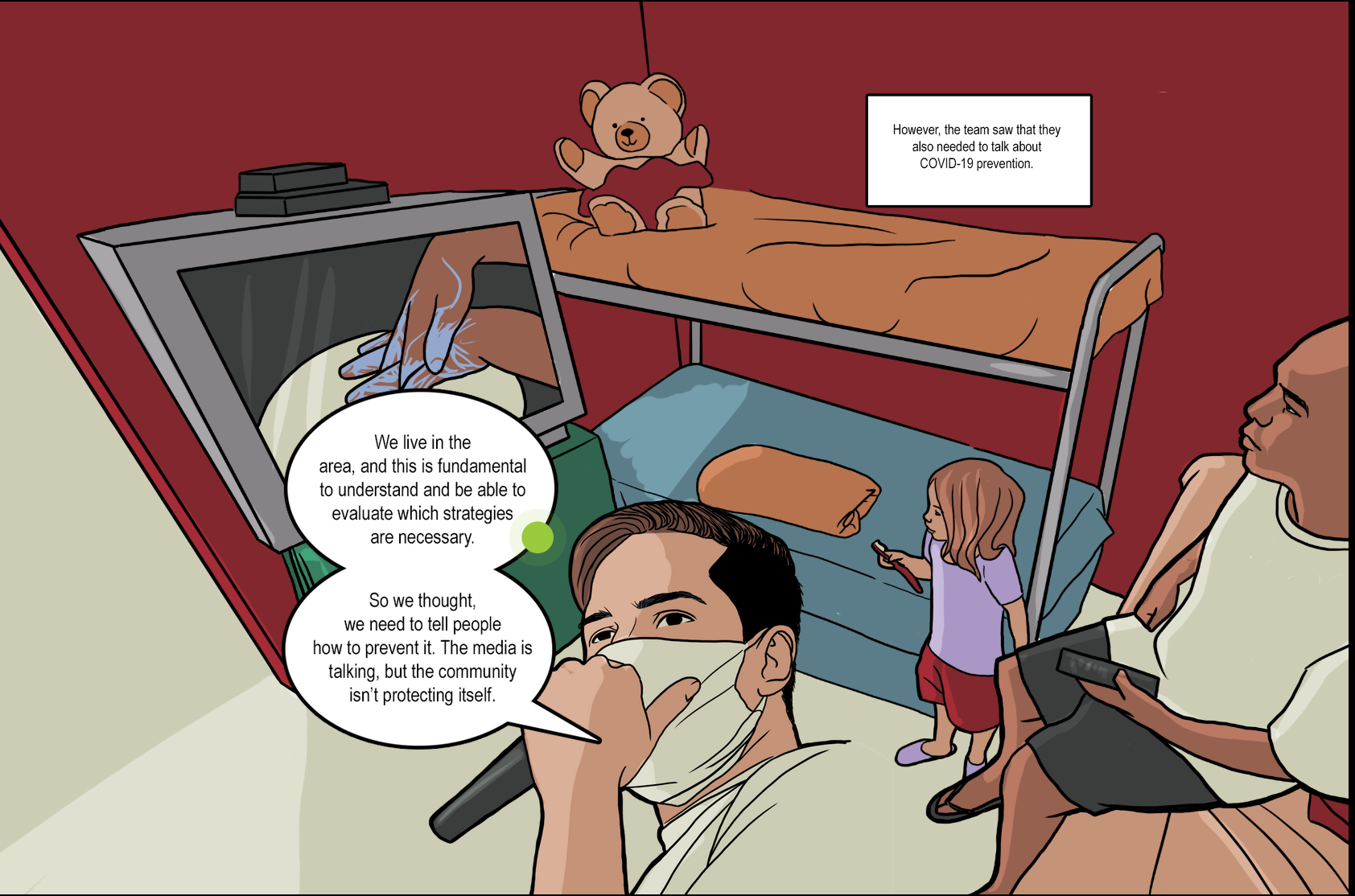
HOW TO DRAW REAL STORIES
Everything in the comic is journalism. Every person drawn existed. Every event depicted was reported. Every statistic came from fieldwork.
The writer used her data, interviews and field visits to write the script. The illustrator used the script, combined with descriptions, field photographs and videos, to draw the scenes accurately. The process required constant exchange between writer and artist - checking details, adjusting rendering, ensuring fidelity to what was actually seen and heard.
This is what separates comic journalism from illustration: not the format, but the discipline behind it.
LESSONS - MORE ENGAGING, LESS INTRUSIVE
The final lesson is structural: a comic is less intrusive than a camera. When you photograph or film someone in a moment of hardship, you extract something from them. When you draw them, you collaborate with them. For communities routinely portrayed as problems to be solved, this matters.
The format also travels differently. The Instagram Stories version put the reporting on the platform people already used. The four-language production reached communities in Brazil, Poland and across the Spanish-speaking world simultaneously.
"Lighting the solidarity initiatives of citizens generates hope and encourages others to generate responses."