KRAMATORSK:
THE FRONTLINE.
An interactive documentary about civilian life in eastern Ukraine as the war moves closer.
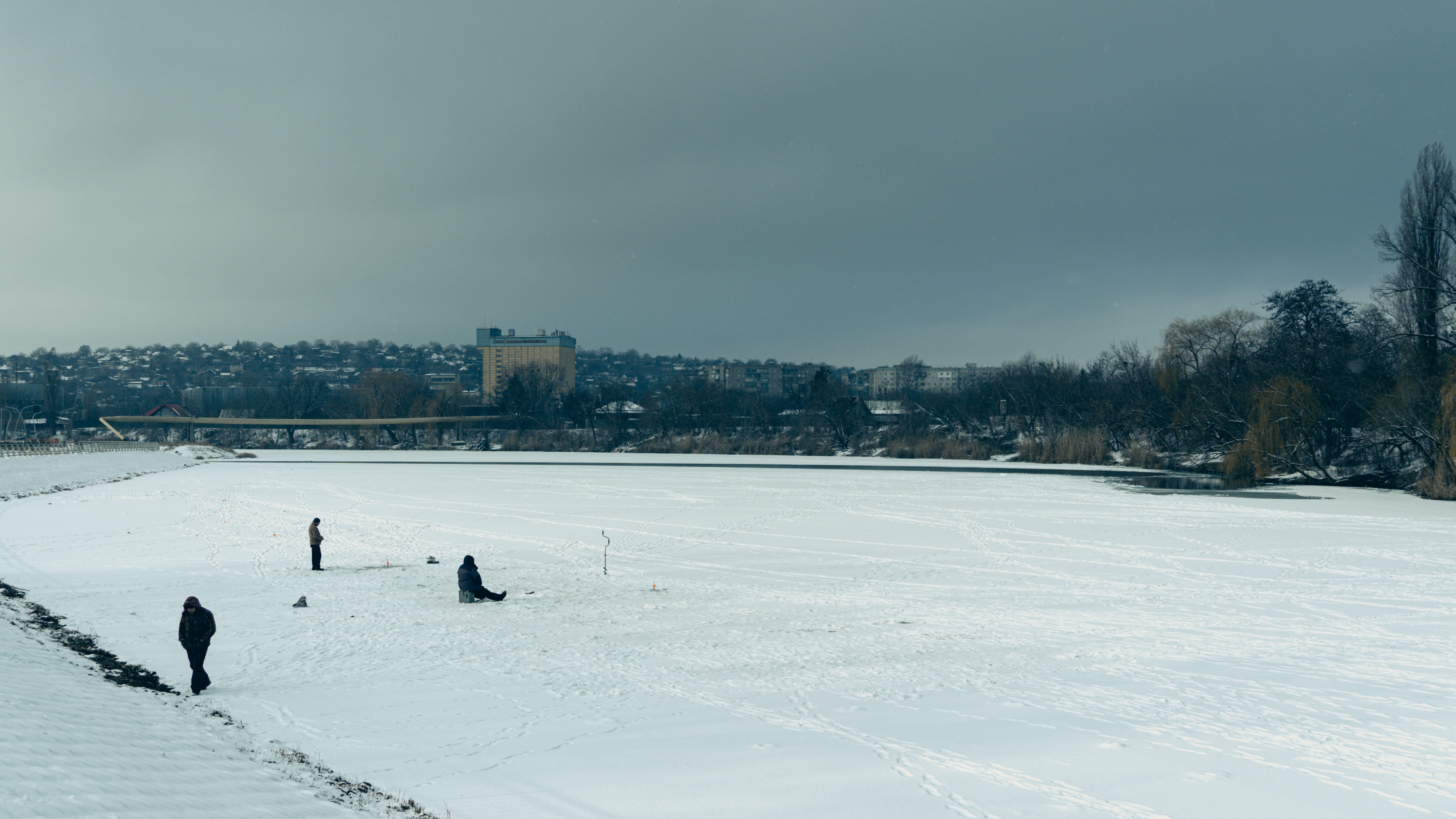
30 kilometres from the frontline. One third of the city remained.
A STORY YOU ENTER,
NOT SIMPLY READ.
Kramatorsk was built as an interactive environment, not a conventional article. Instead of a linear narrative, it reconstructed the city through a map and a network of characters - each person opening a different route through a city living under the pressure of the approaching frontline.
Audiences could choose their own path. They could follow a taxi driver through emptied streets after dark, or enter a barber's shop where soldiers sit down for the first time in months, or join a postal worker delivering pensions to residents who have nowhere else to go.
The map was not decoration. It was an editorial device: navigation became an act of understanding.
~30 KM
Frontline distance at time of reporting
1/3
Of residents remained in the city
10
Residents whose stories structure the piece
"War is often consumed as a stream of headlines and strategic abstractions. Kramatorsk was built around a different proposition: that the emotional truth of the frontline emerges through daily routines, interrupted plans, and the fragile persistence of ordinary life."
- Jakub Górnicki
THE PEOPLE OF KRAMATORSK
Ten residents. Ten entry points into a city that refused to stop being itself.
Roman · Firefighter
Responding to missile strikes, living apart from his family.
Olga · Postal Worker
Delivering pensions while her husband trains with the army.
Kiryna · Animal Shelter
Caring for injured animals, many brought in by soldiers.
Natalia · Teacher
Teaching Ukrainian language online while most students are gone.
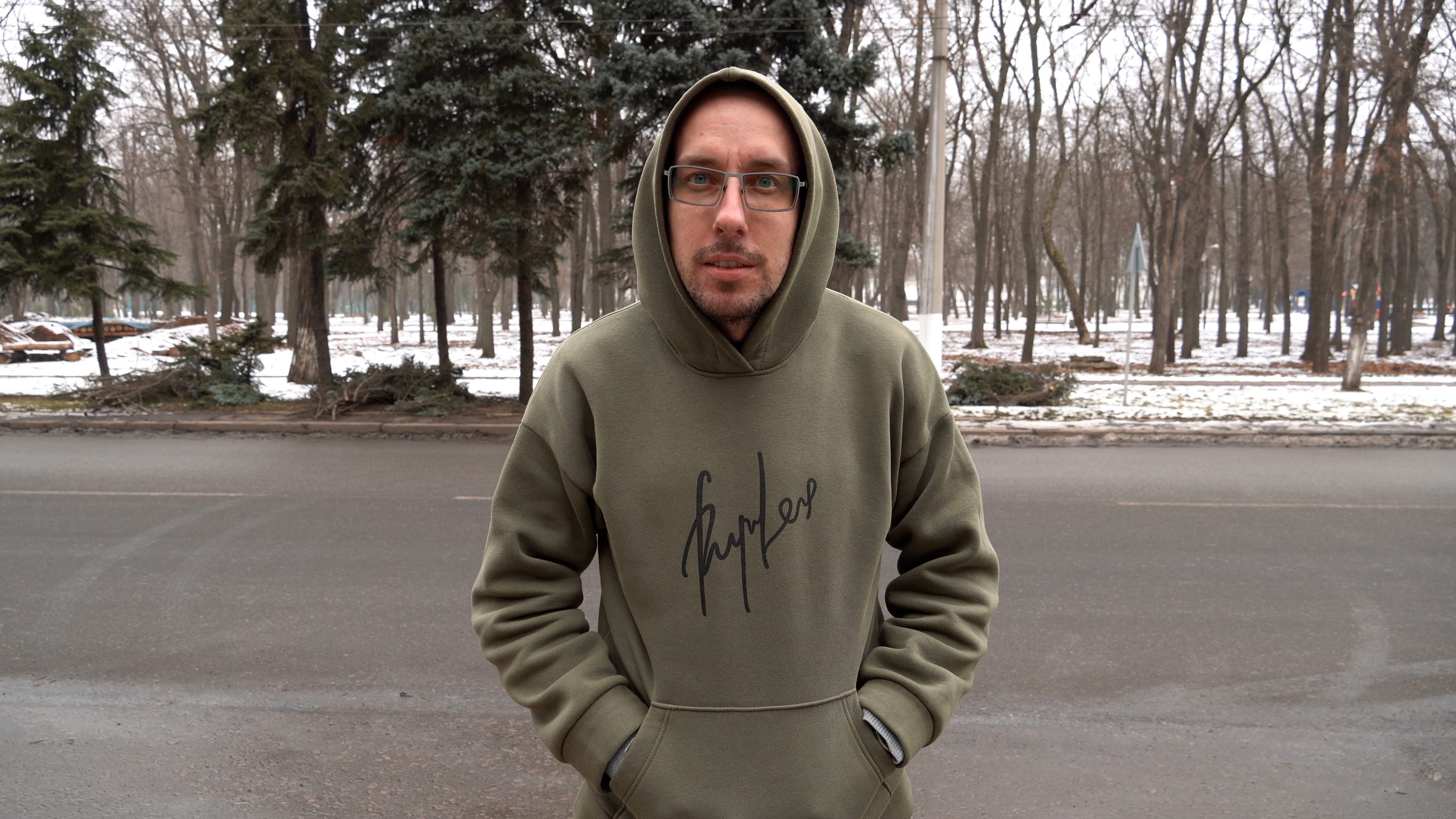
Semen · Taxi Driver
Fled once. Refuses to lose his home a second time.
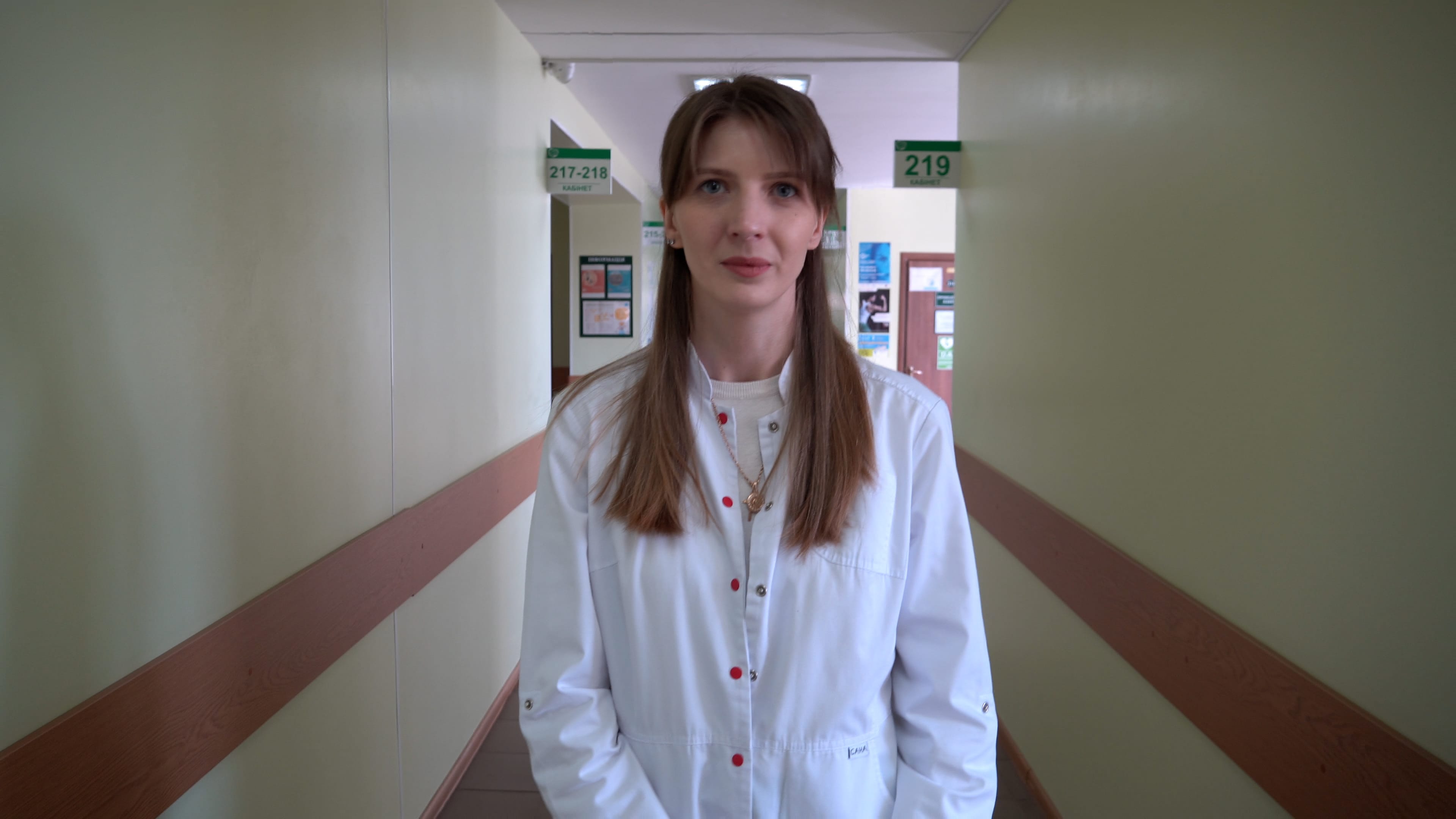
Waleria · Doctor
Her clinic has no shelter. She continues to work.

Oleksandr & Dmytro · Barbers
Their salon gives soldiers a brief return to normality.
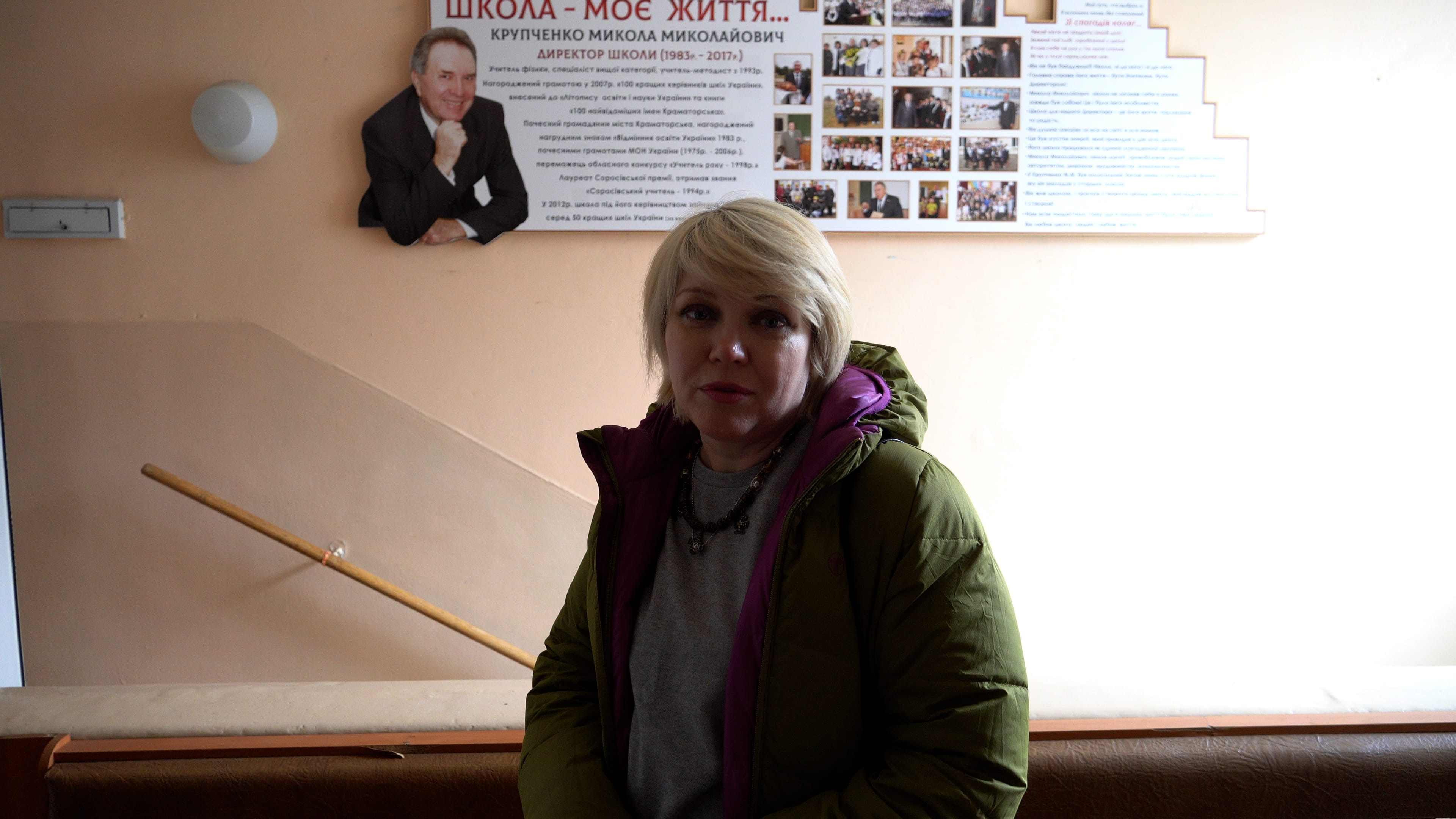
Olga · Dentist
Care, routine, and calm in a frontline city.
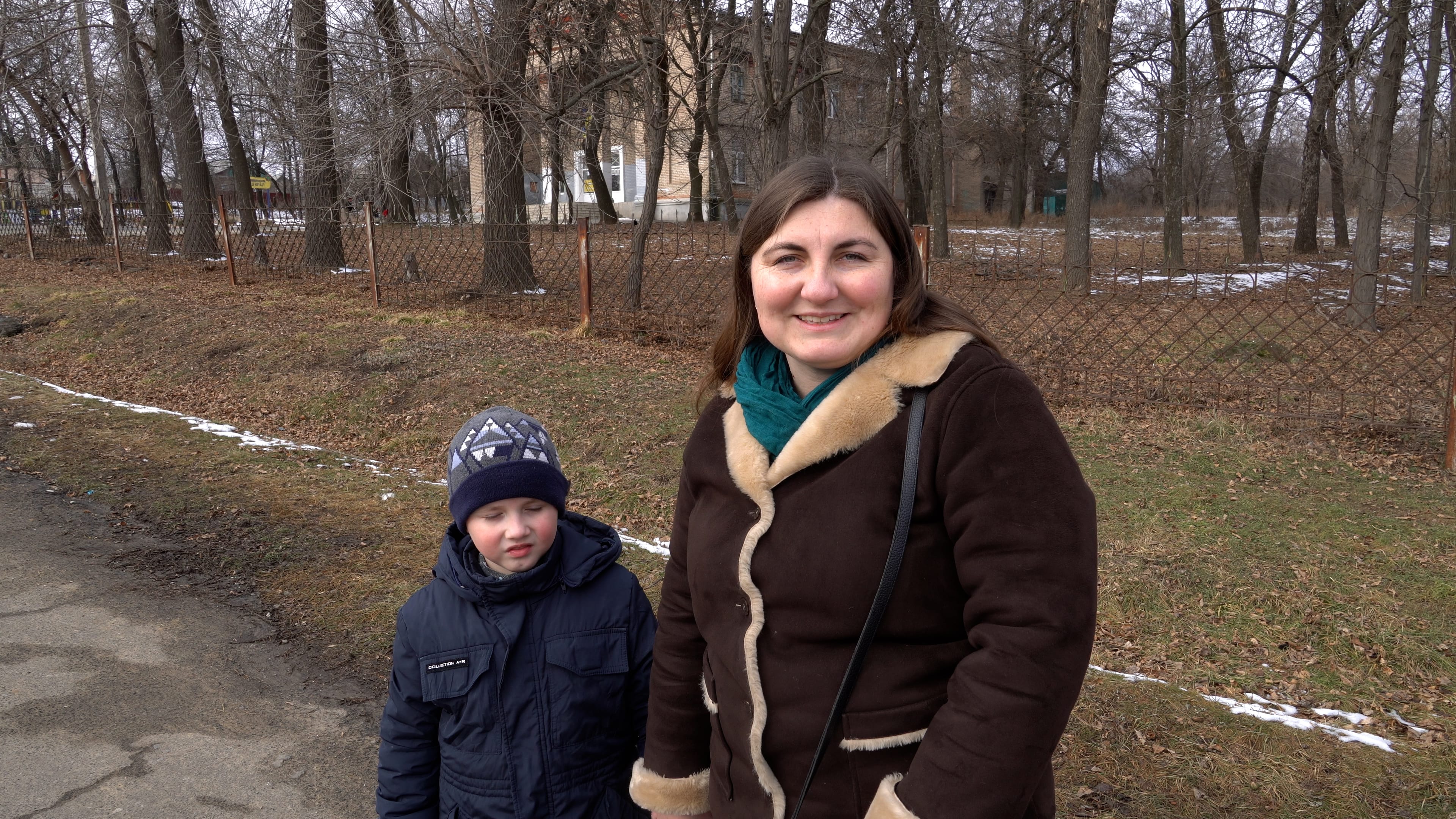
Olga · Post Office
Routine as resistance.
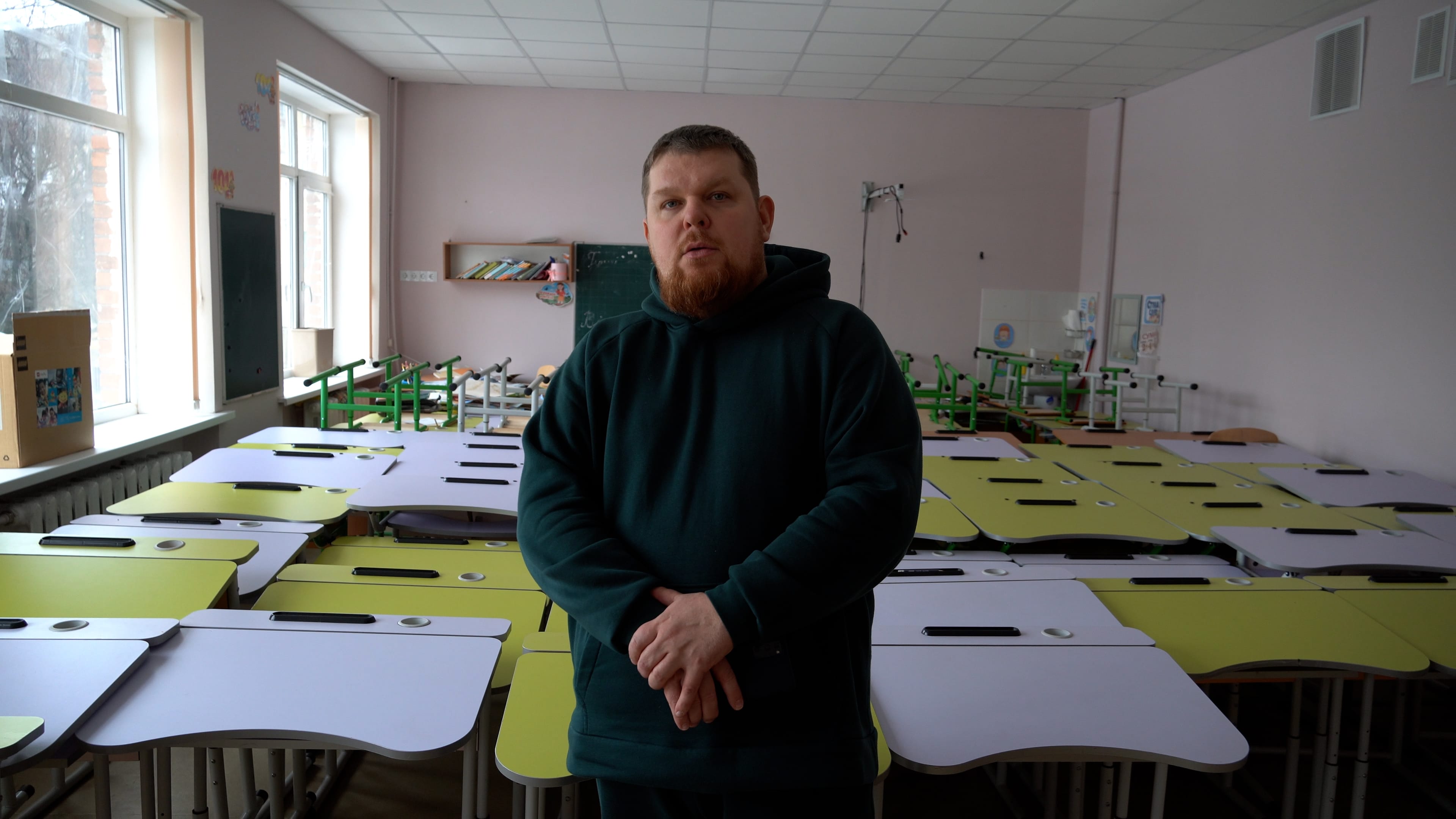
Igor · Education Official
Responsible for schools that now stand empty.
360 VIDEO.
INTERACTIVE MAPS.
MOBILE-FIRST.
INMA described the project as using interactive maps, 360 video, and immersive mobile design to bring audiences inside the everyday lives of people in Kramatorsk - while emphasising that users could choose their own path instead of being led through a fixed sequence.
The 360 video component gave mobile viewers the ability to tap, rotate, and navigate through real environments, creating a sense of presence that conventional video cannot achieve. The map turned spatial choice into narrative meaning.
This was also a collaboration shaped by complementary strengths: Wirtualna Polska's scale, and Outriders' reporting, storytelling craft, and technical experimentation.
"The editorial goal was to create an experience that slows the viewer down - and builds something closer to understanding than the usual speed of war coverage."
- Jakub Górnicki
TRAILER
Note: Muted by default (Polish audio)
RECOGNITION
3rd Place · INMA Global Media Awards
"A blueprint for a participatory, immersive, and emotionally intelligent next era of media."
Nominated · Newsweek Award named after Teresa Torańska
"Poland's most prestigious journalism award for outstanding reporting."
Nominated · Nagroda Dobrego Dziennikarza 2023
"Annual award for responsible and courageous journalism in Poland."
FORM AS
ARGUMENT.
Kramatorsk is a portfolio piece about form as much as subject. It asks what happens when journalism stops treating people in war as quotes inside a report and instead builds a spatial, emotional, and interactive environment through which the audience can encounter them more fully.
The result is not only a story about one Ukrainian city. It is a case study in how immersive journalism creates attention, empathy, and comprehension in situations where linear formats often flatten complexity.
For me, the project sits at the intersection of reporting, narrative design, and embodied digital storytelling - an attempt to make the audience feel not only what was happening in Kramatorsk, but how a city sounds, moves, waits, and persists when war approaches.