THE GORANI
A vanishing minority. A mountain ritual. A question with no answer.
Shortlist · New Media Writing Prize 2018
THEY ARE STILL HERE. FOR NOW.
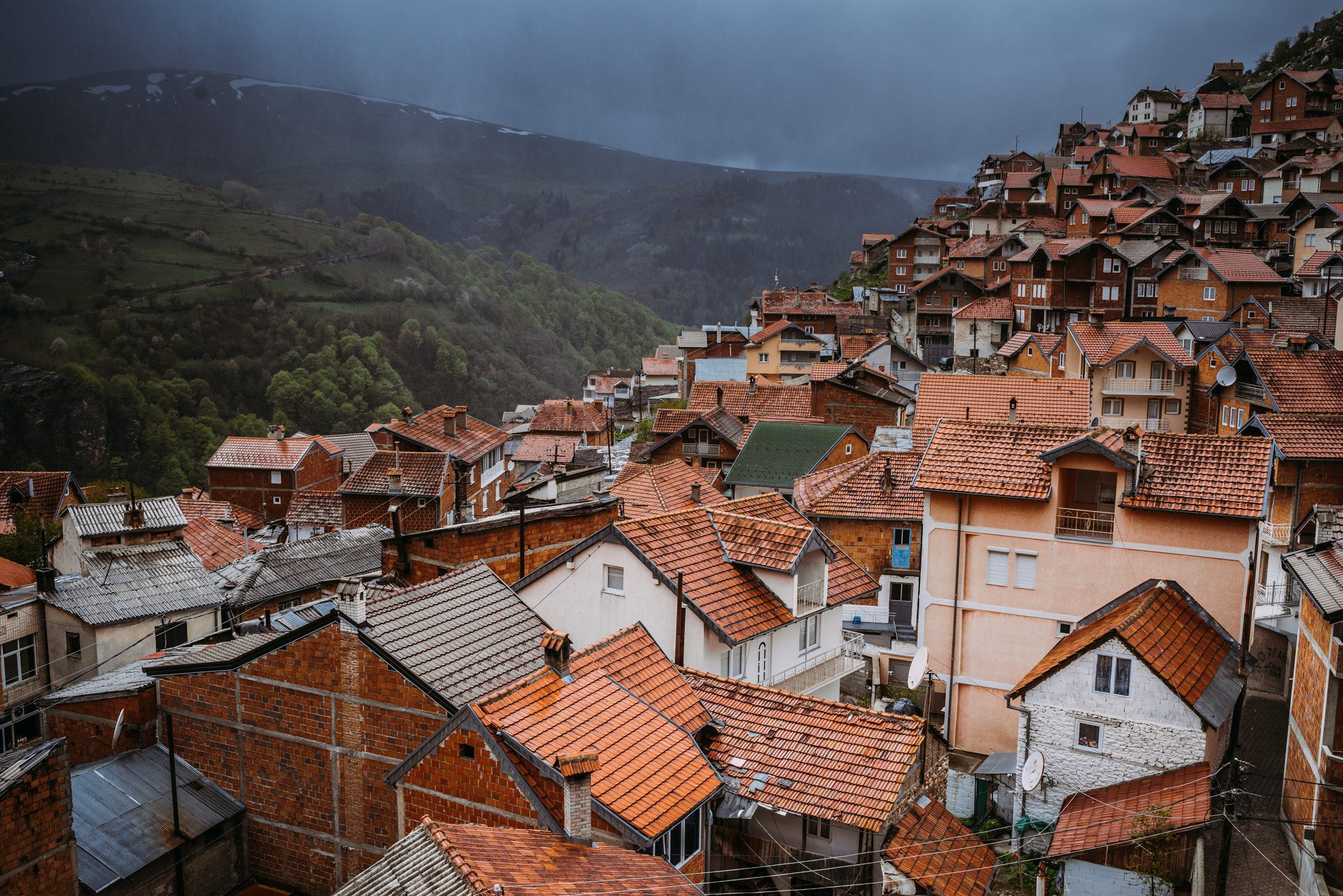
The Gorani are a Slavic Muslim ethnic minority in the Šar Mountains - in the triangle where Kosovo, Albania, and North Macedonia meet. Before the Second World War, their population exceeded 50,000. By 2018, fewer than 10,000 remained in Kosovo. They live in 18 villages in Kosovo, 10 in Albania, 4 in North Macedonia.
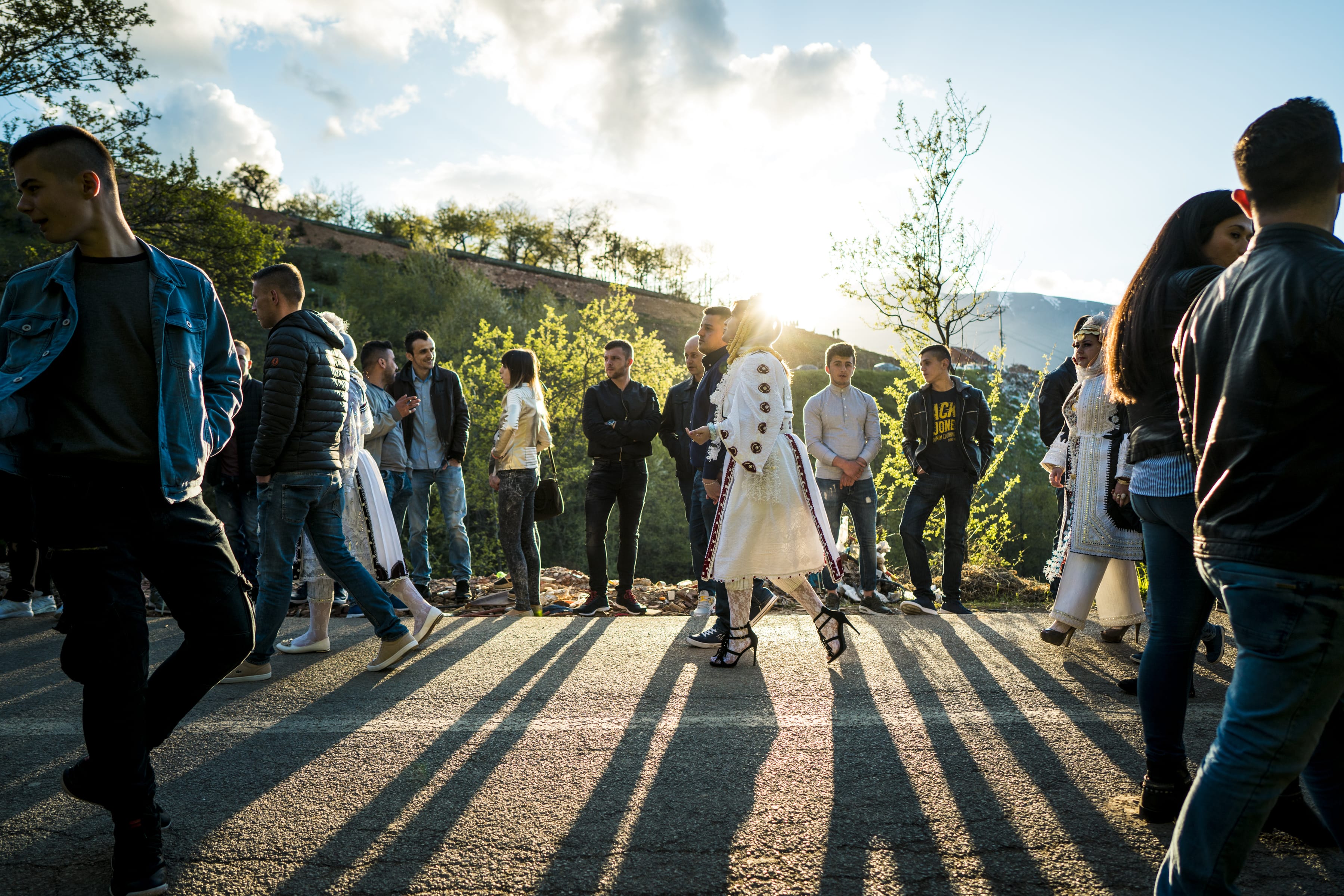
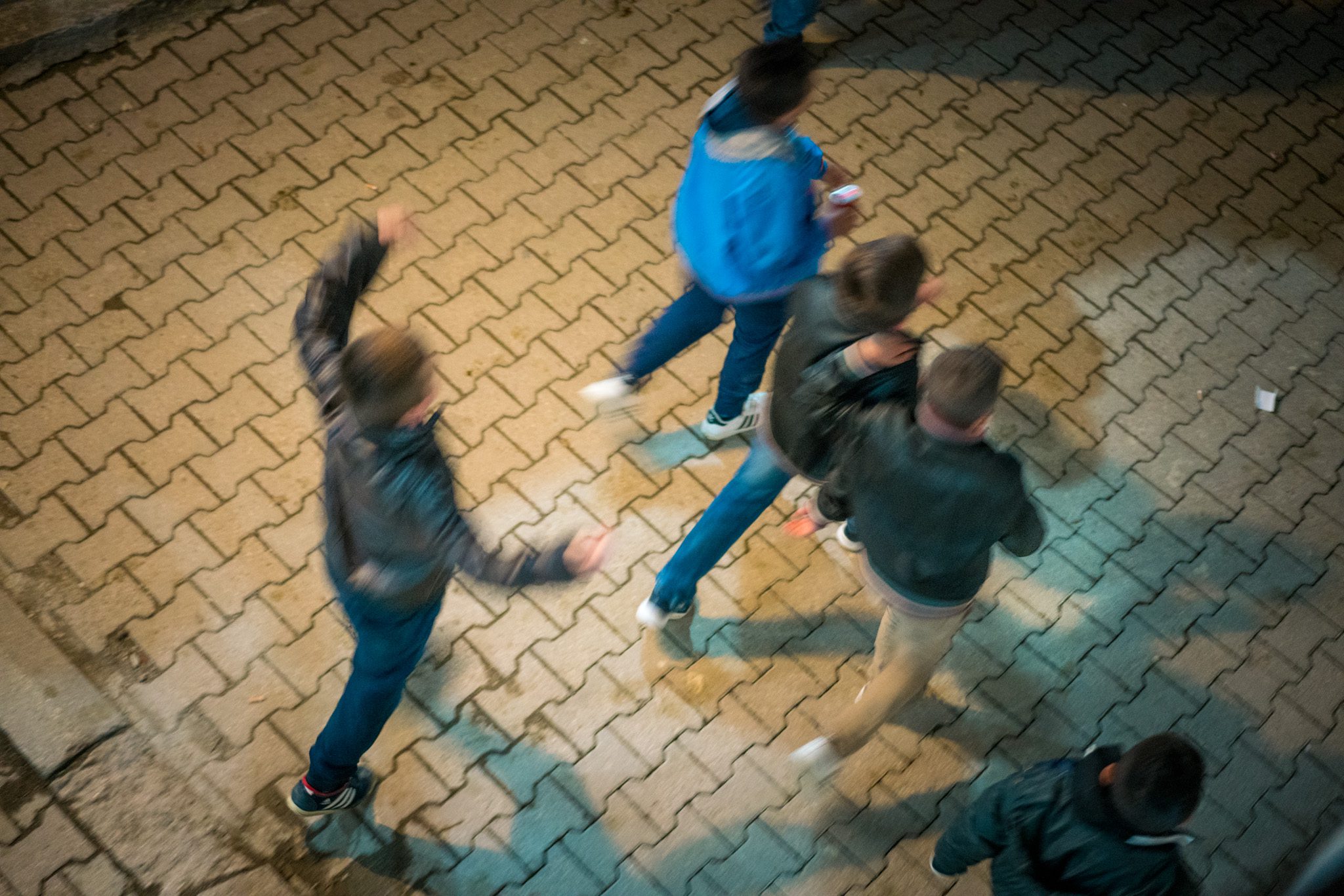
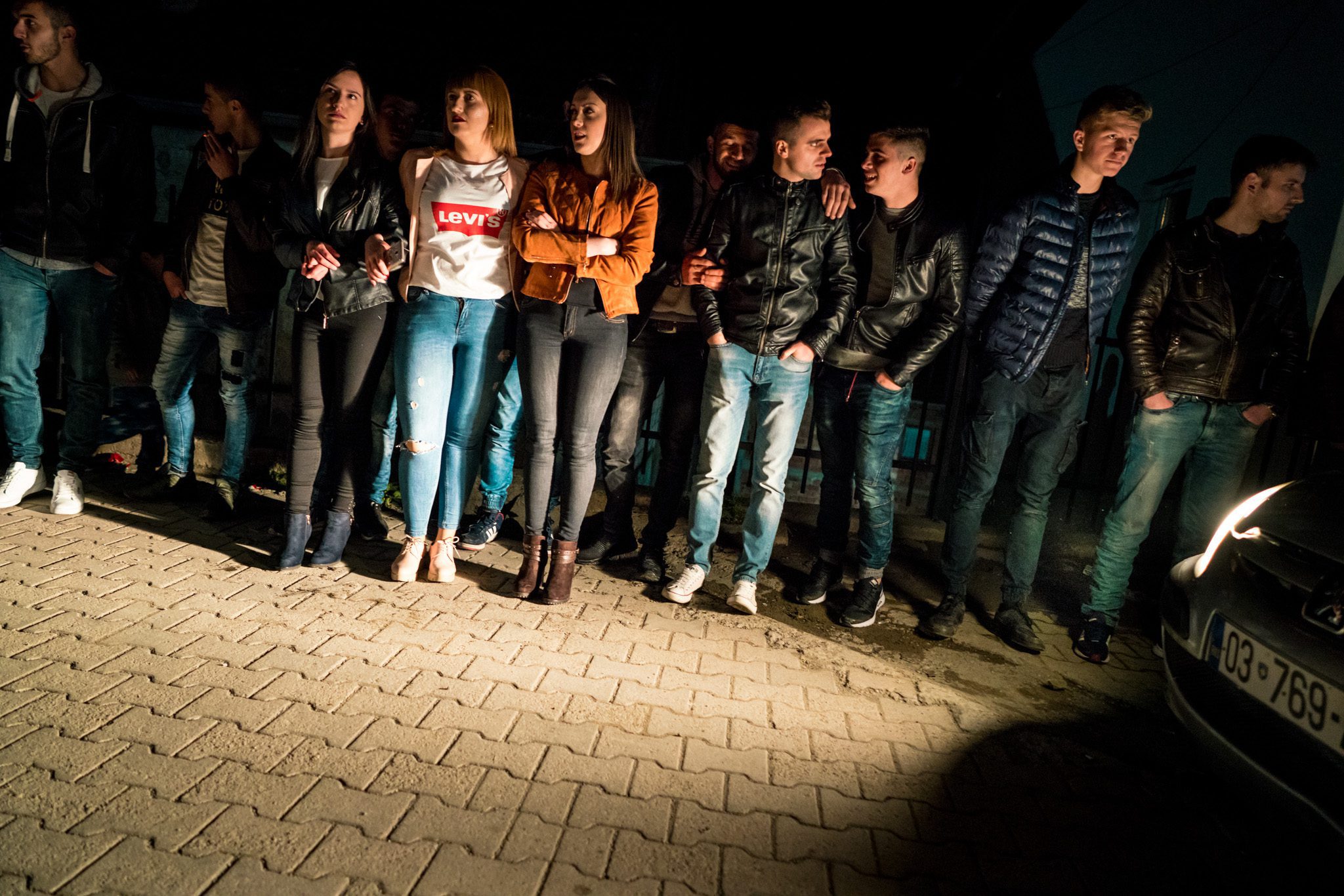
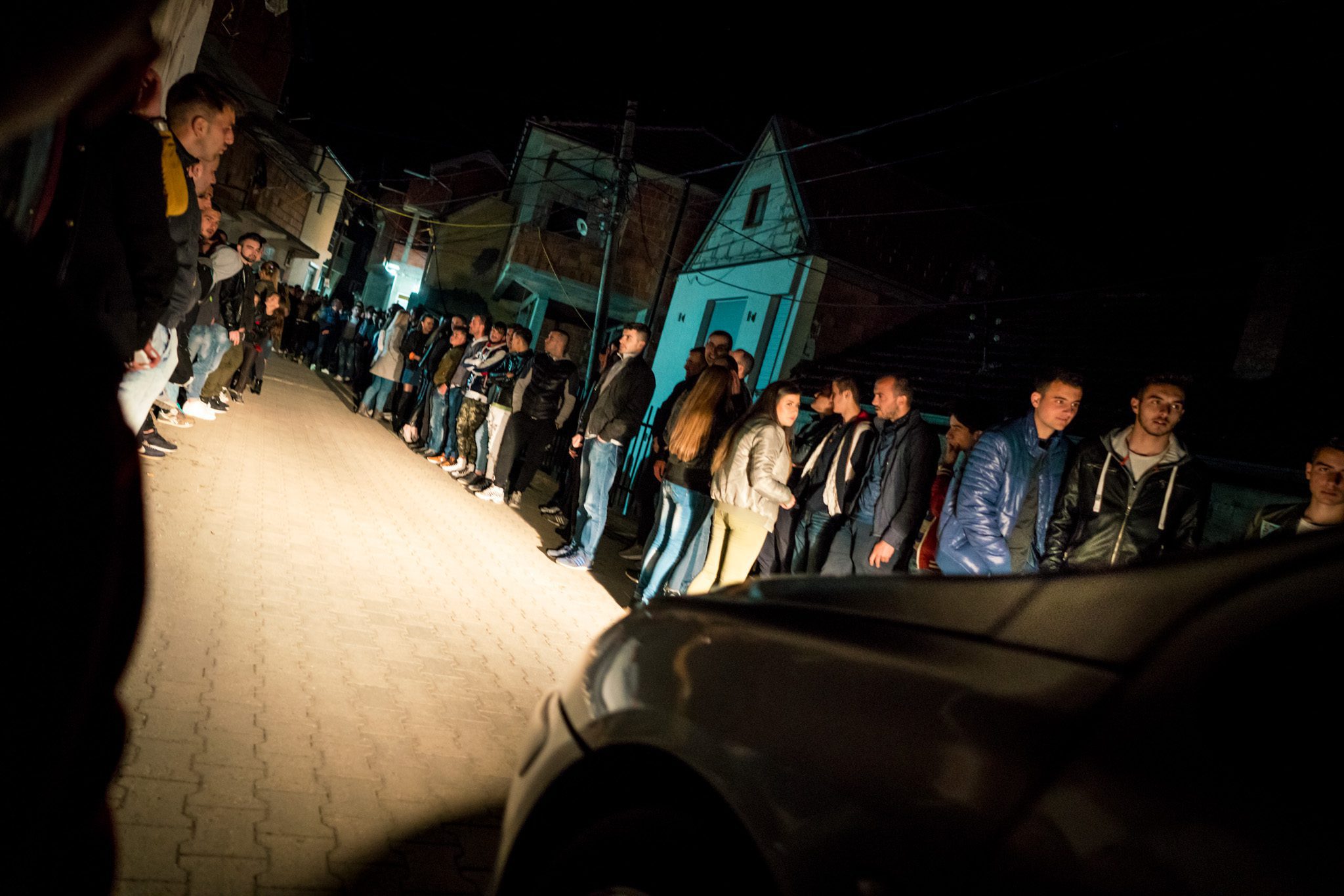
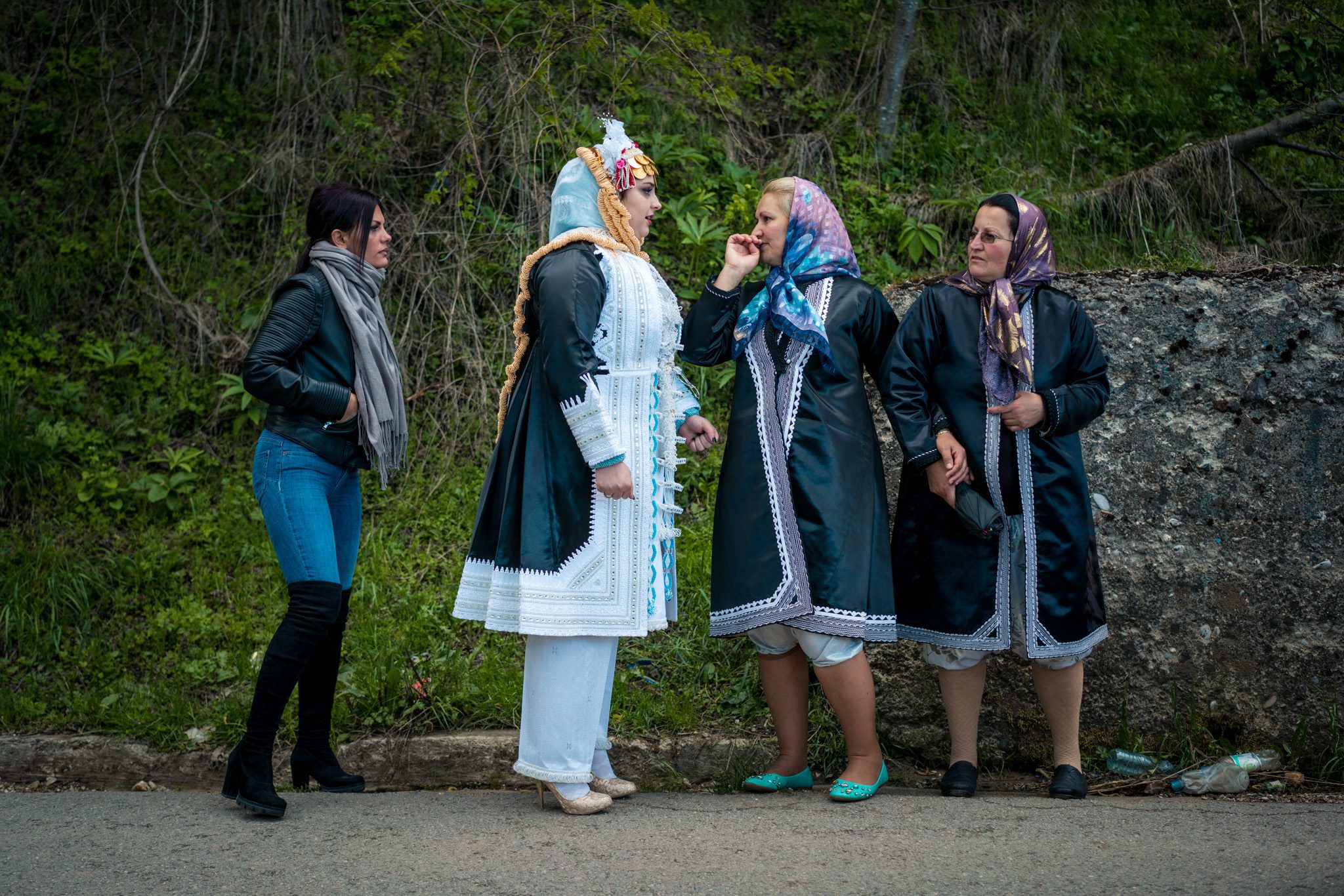
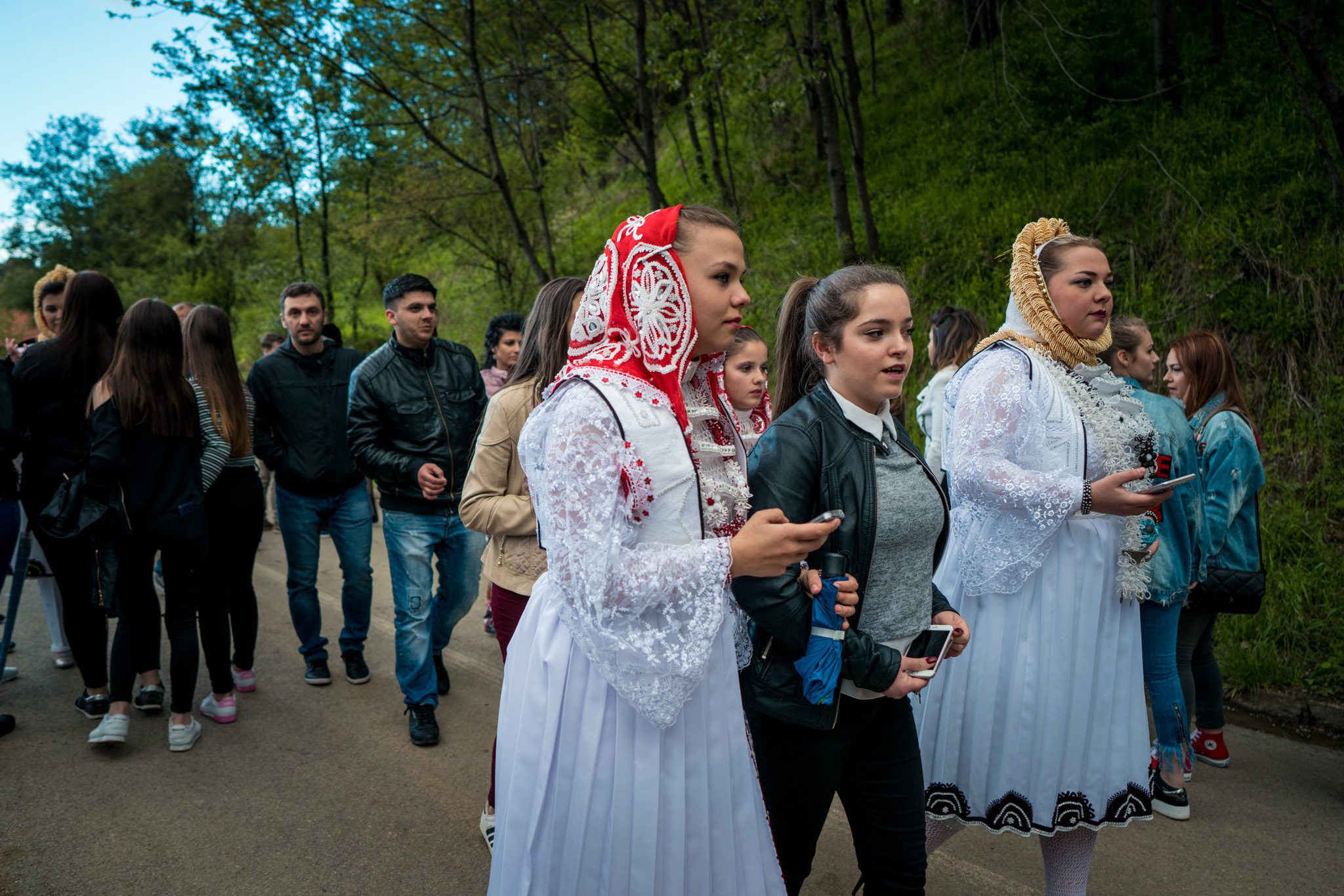
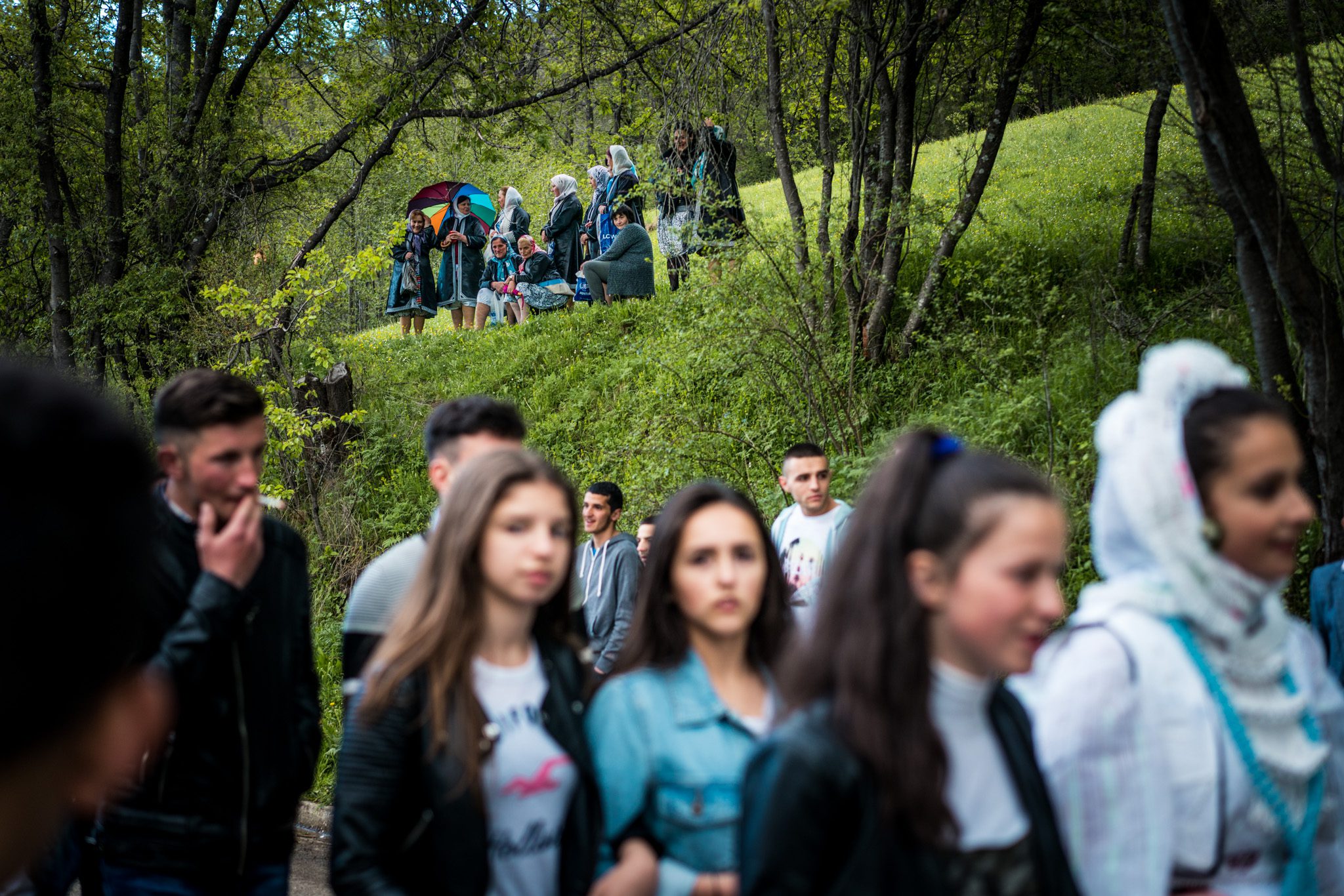
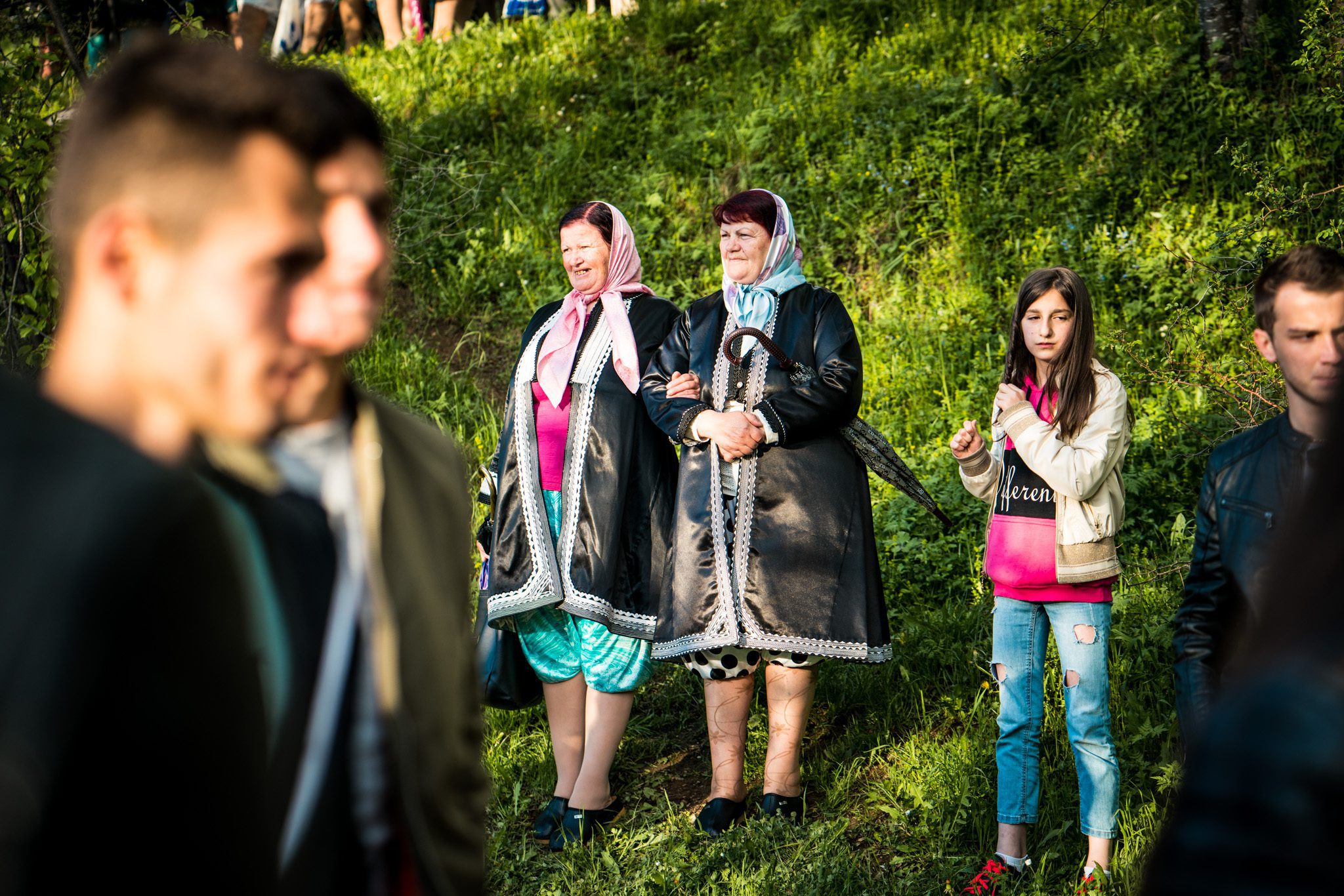
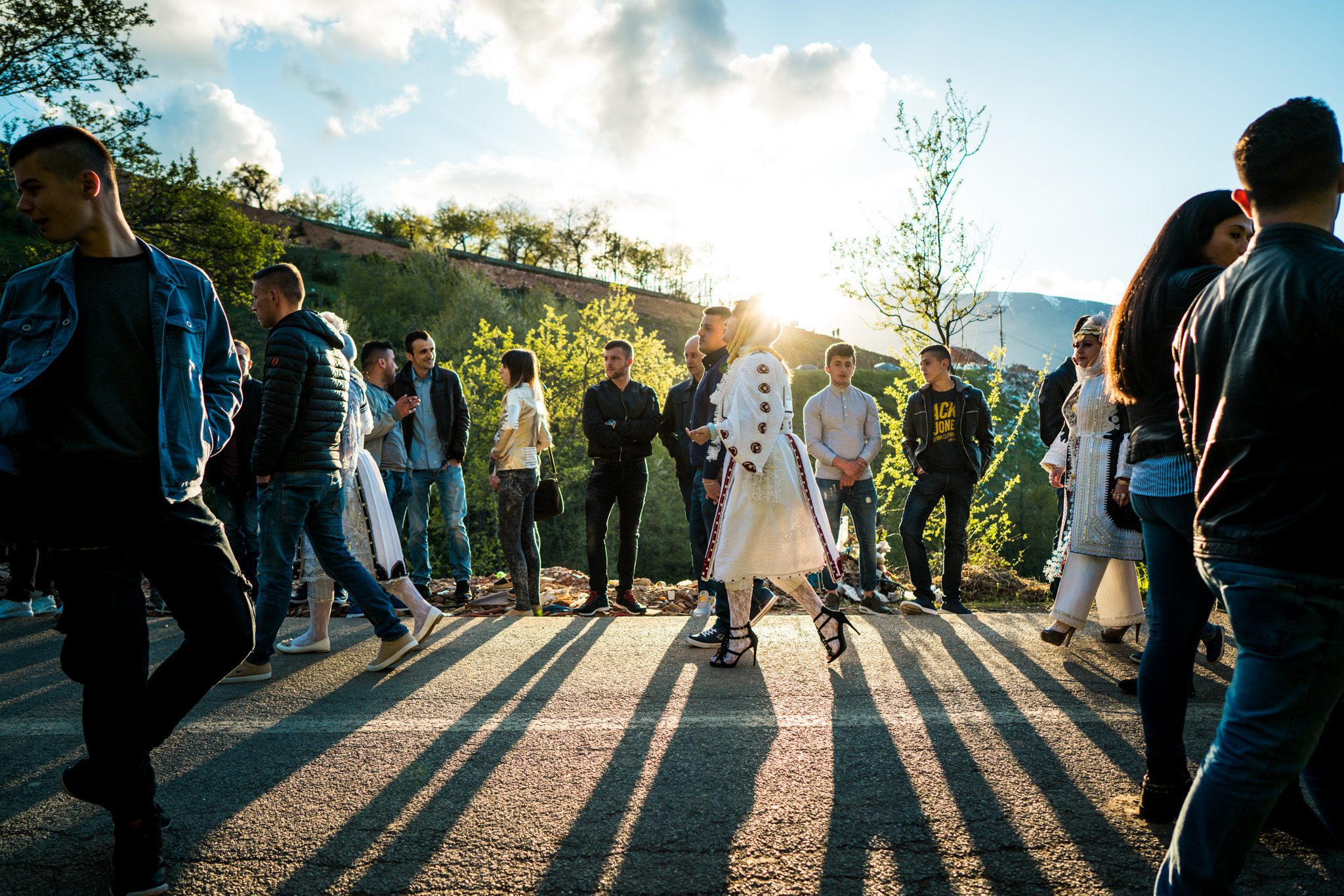
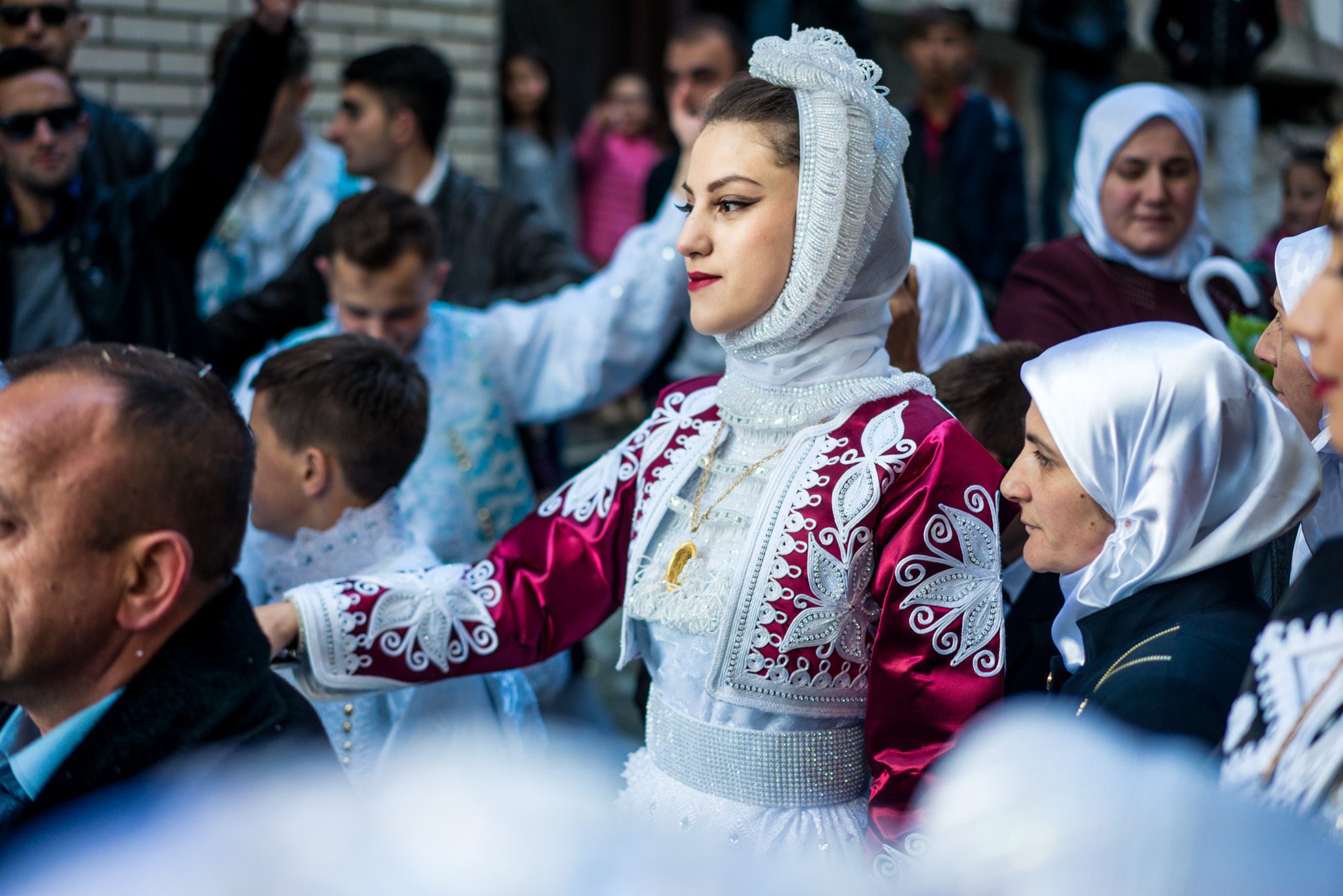
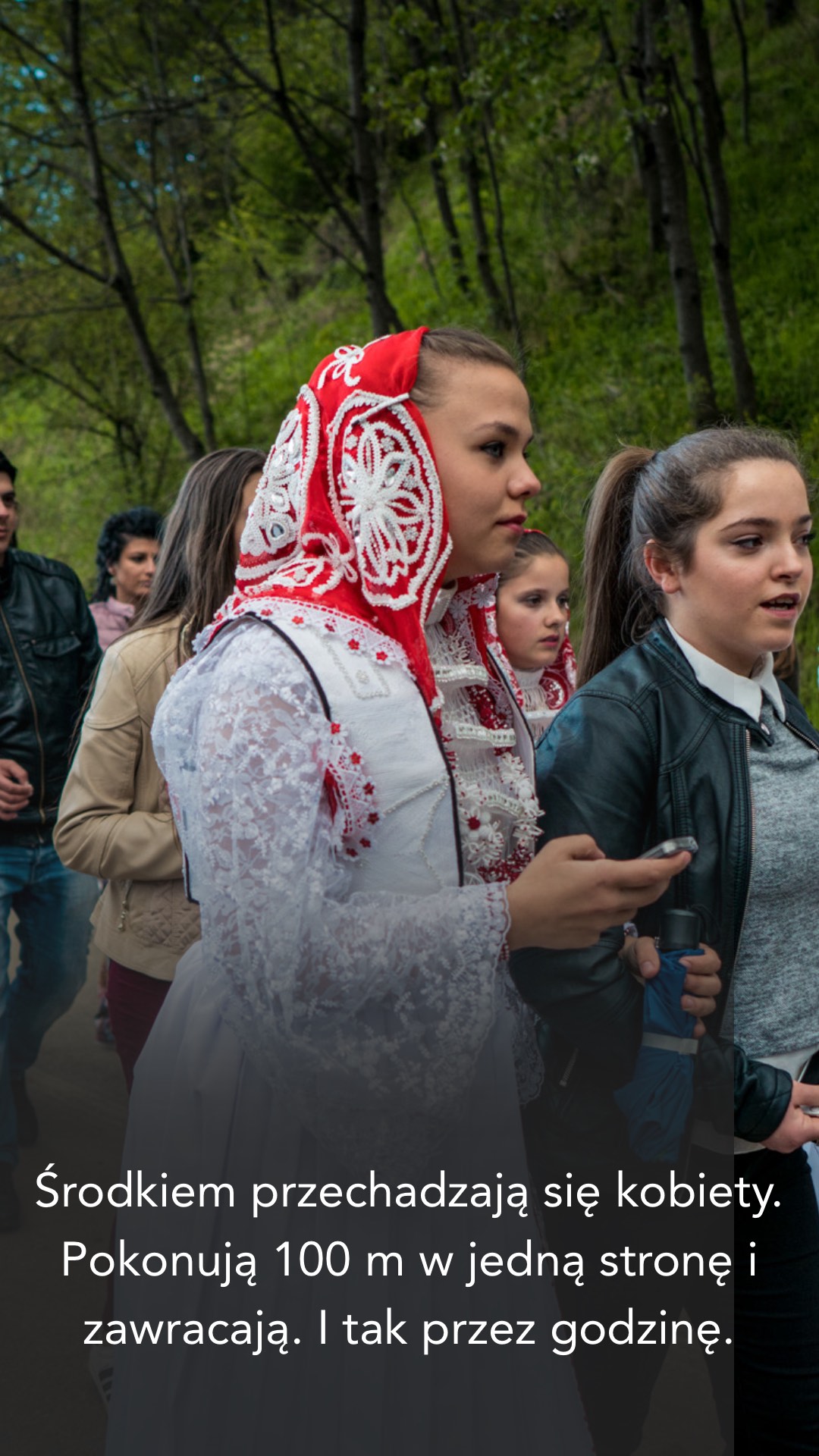
Every year in early May, the emigrants return. Fires burn through the night. Traditional dances called "Oro" fill the main roads. Women parade in handmade costumes that communicate, to those who know how to read them, whether they are married or not. A three-day wedding tradition, too expensive and complex to sustain in full, still surfaces here and there. A gathering called "vlashka" brings several hundred people to a mountain clearing for music, dance, and candyfloss.
The piece follows six chapters - tracing facets of life that are still being lived, and slowly being lost.
THE GORA REGION
At the junction of Kosovo, Albania, and North Macedonia. The Šar Mountains. Eighteen villages on the Kosovo side, ten in Albania, four in North Macedonia. One dialect: Goran. One question: how many generations before the last fire burns out?
FLICKERING OUT
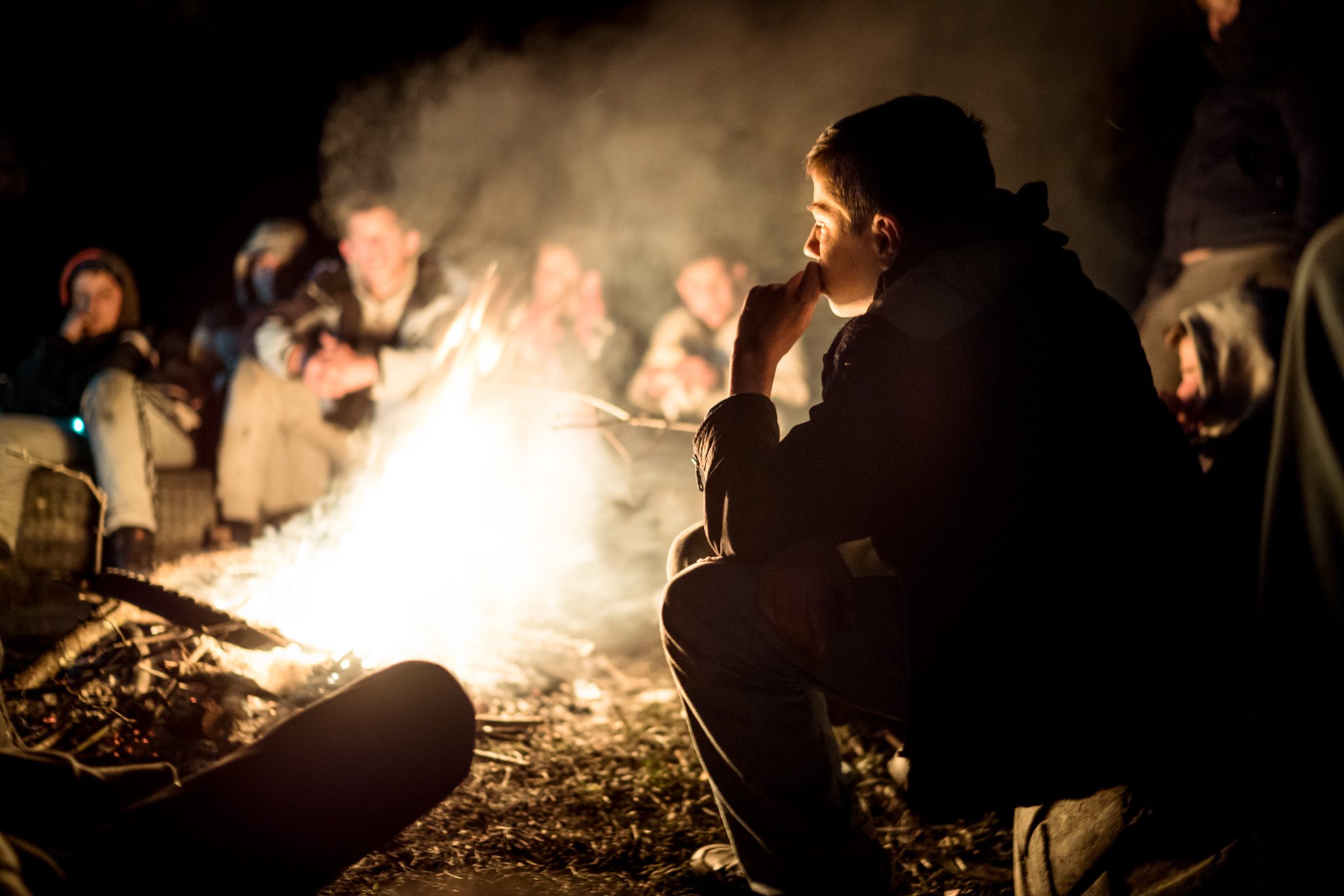
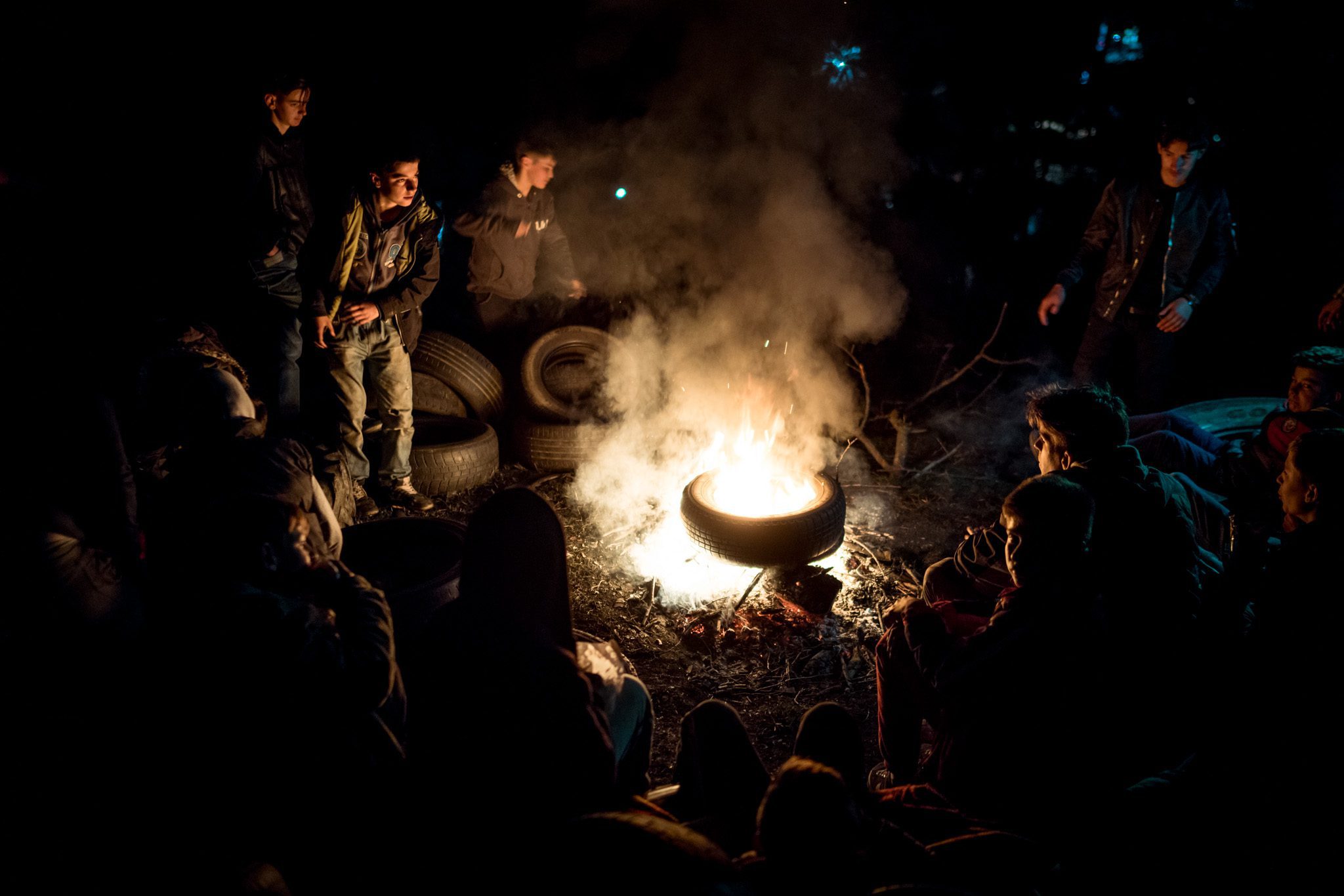
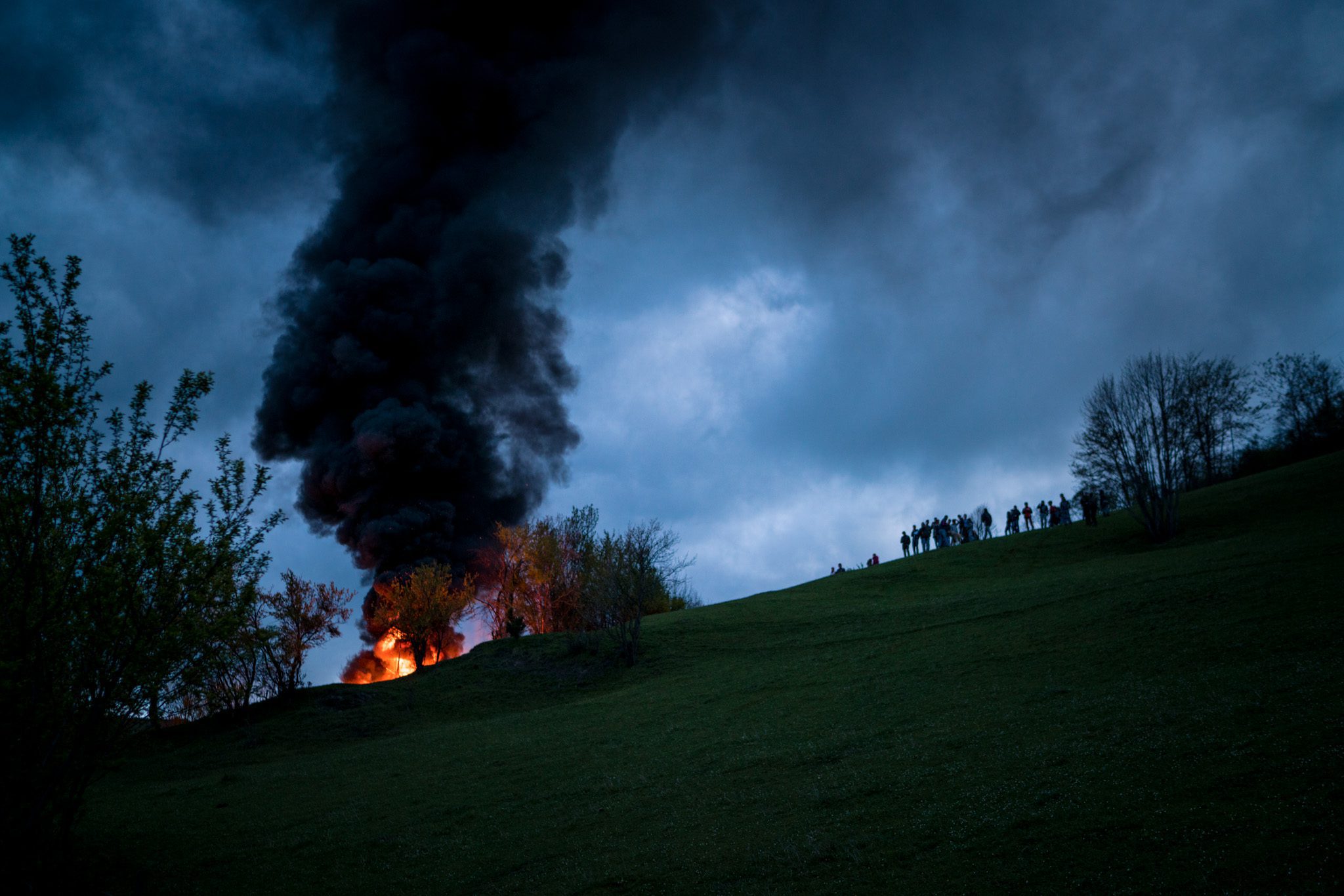
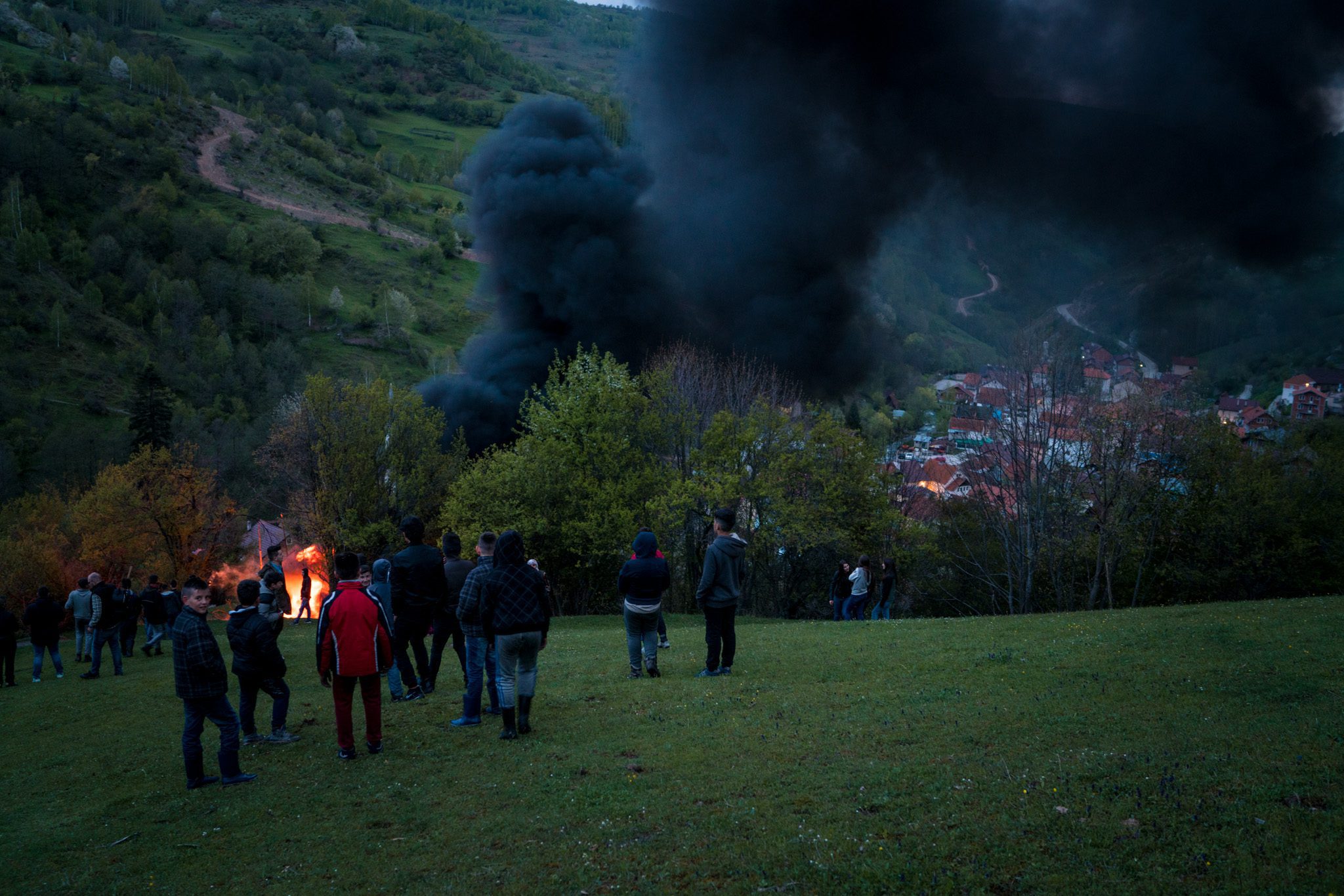
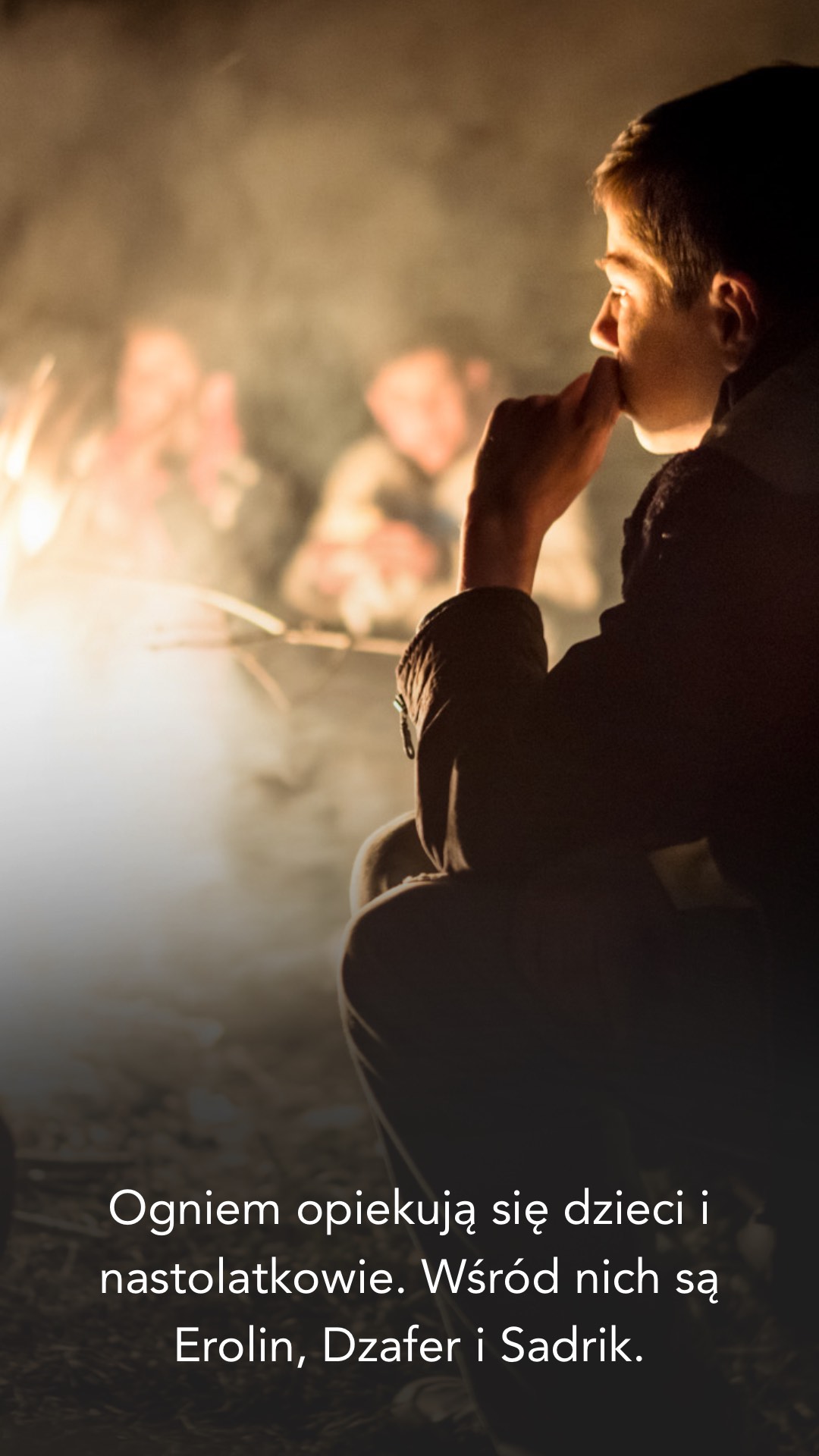
Children and teenagers look after the fire. When the flame dies, wood is thrown in. When it gets boring - tires. The fire bursts and black smoke rises. The kids are delighted.
"Why are you sitting here?" "That's what we always do," says Elvin. "Few people remember that custom."
"SLAVIC MUSLIMS" -- The Gorani, Outriders, 2018
THAT'S HOW GORANI PEOPLE
ARE SOMETIMES DESCRIBED.
COSTUMES · DANCES · RITUALS
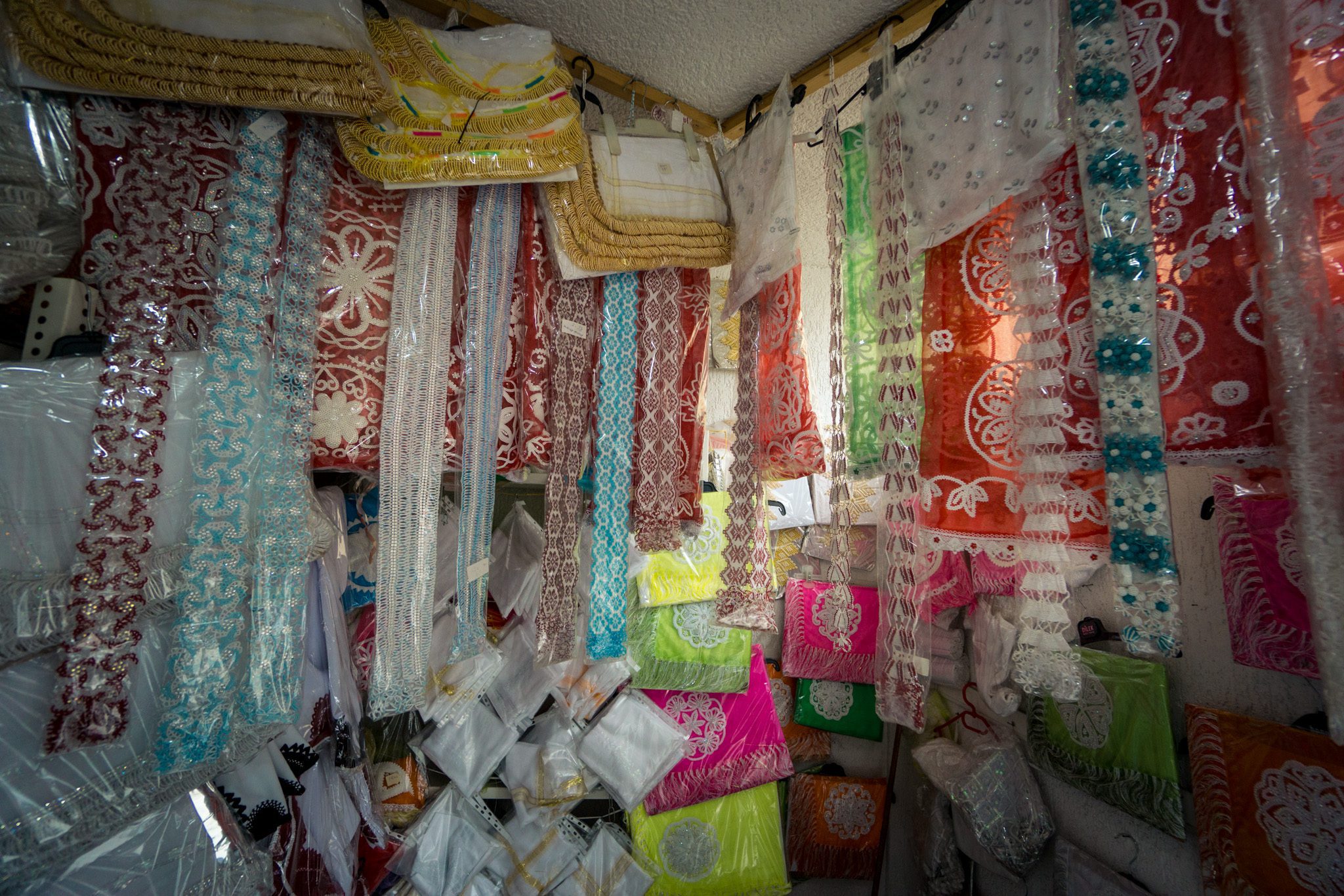
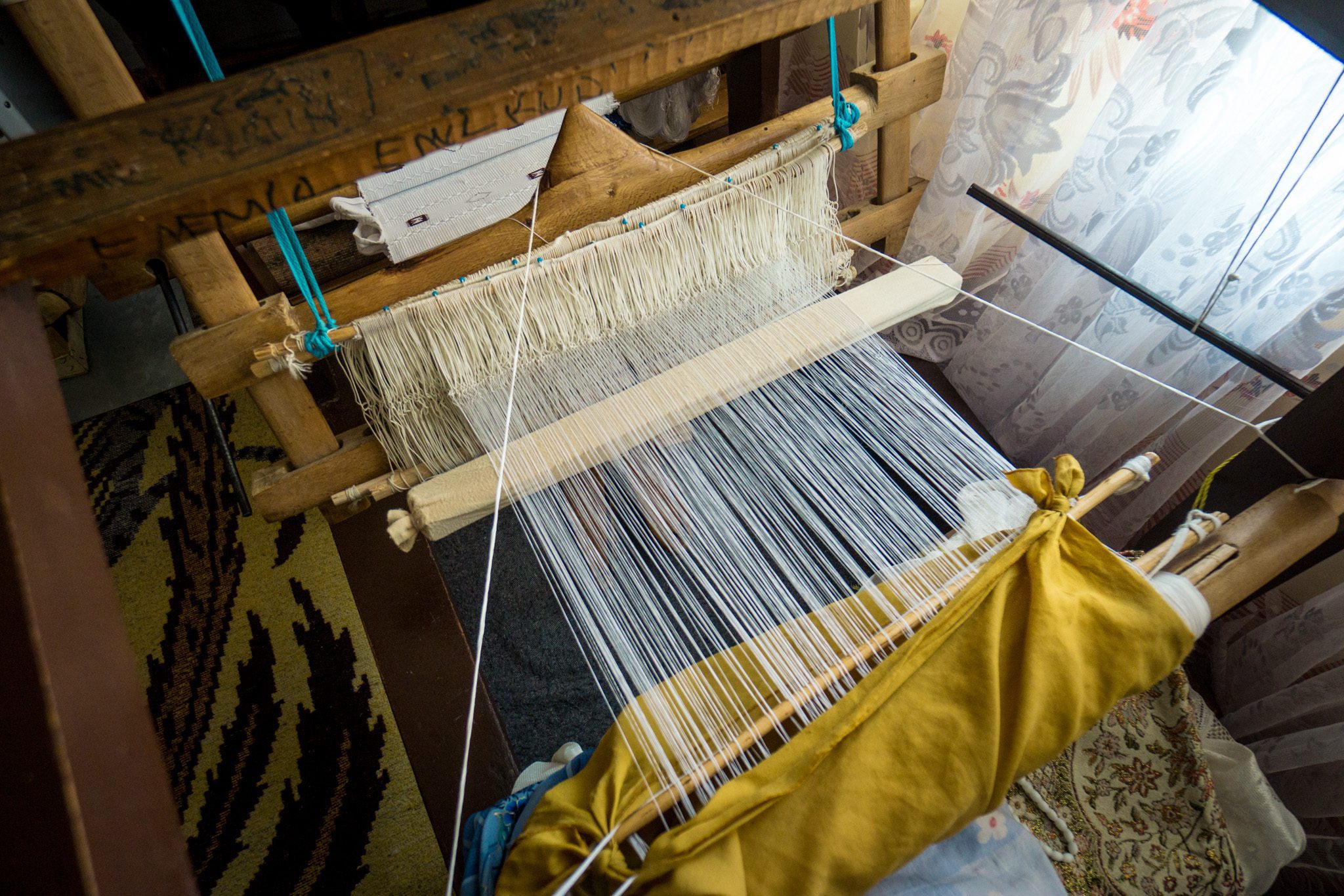
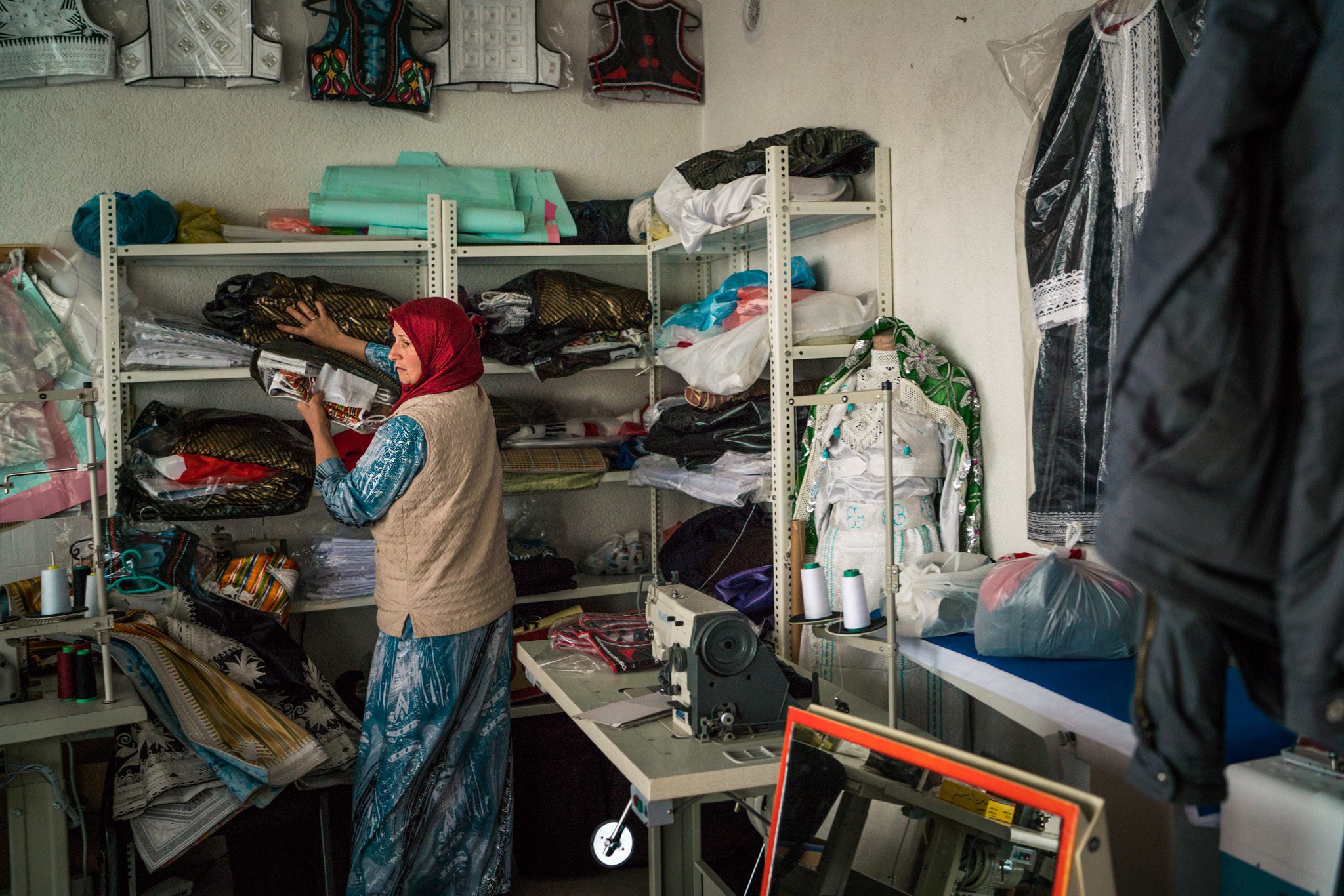
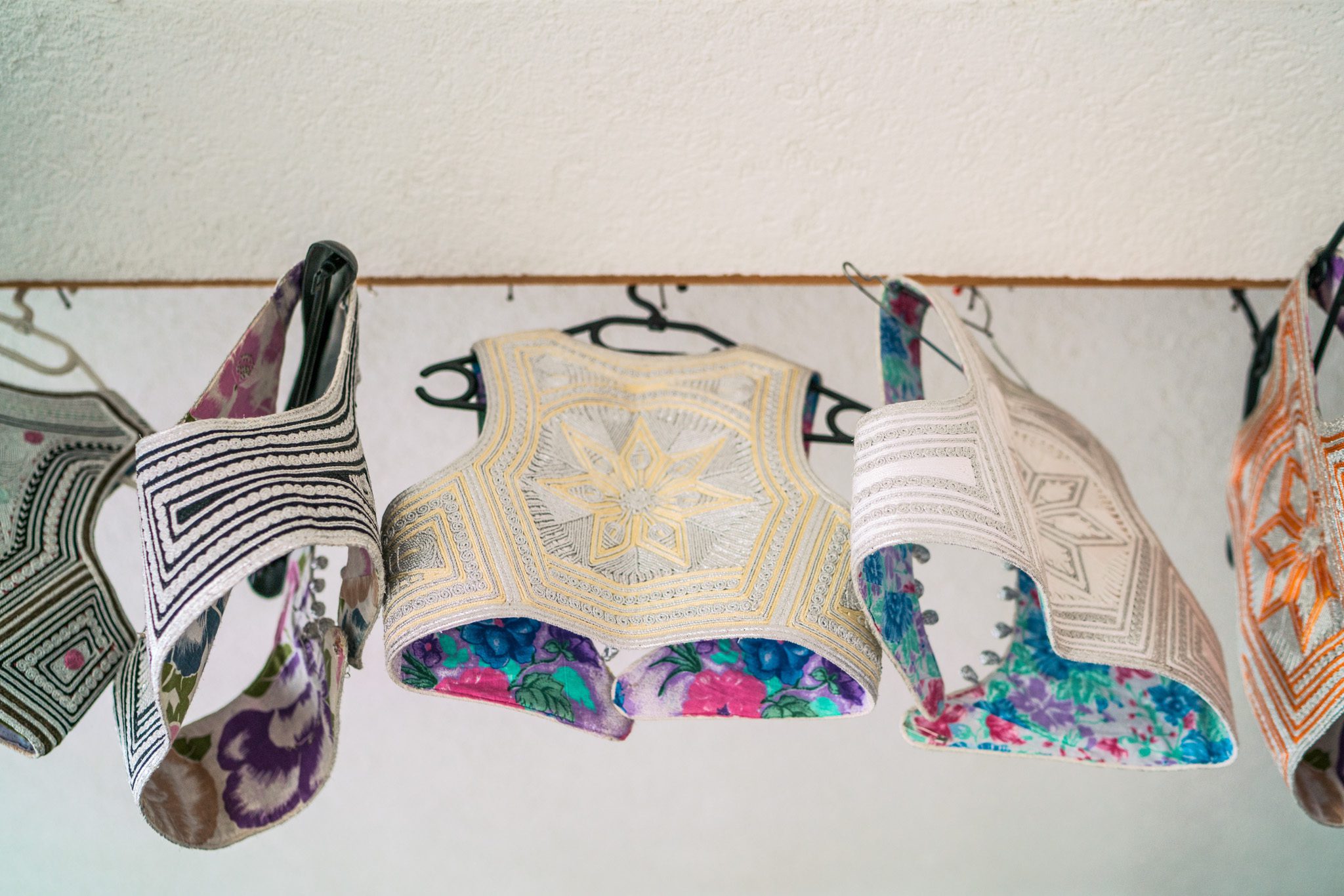
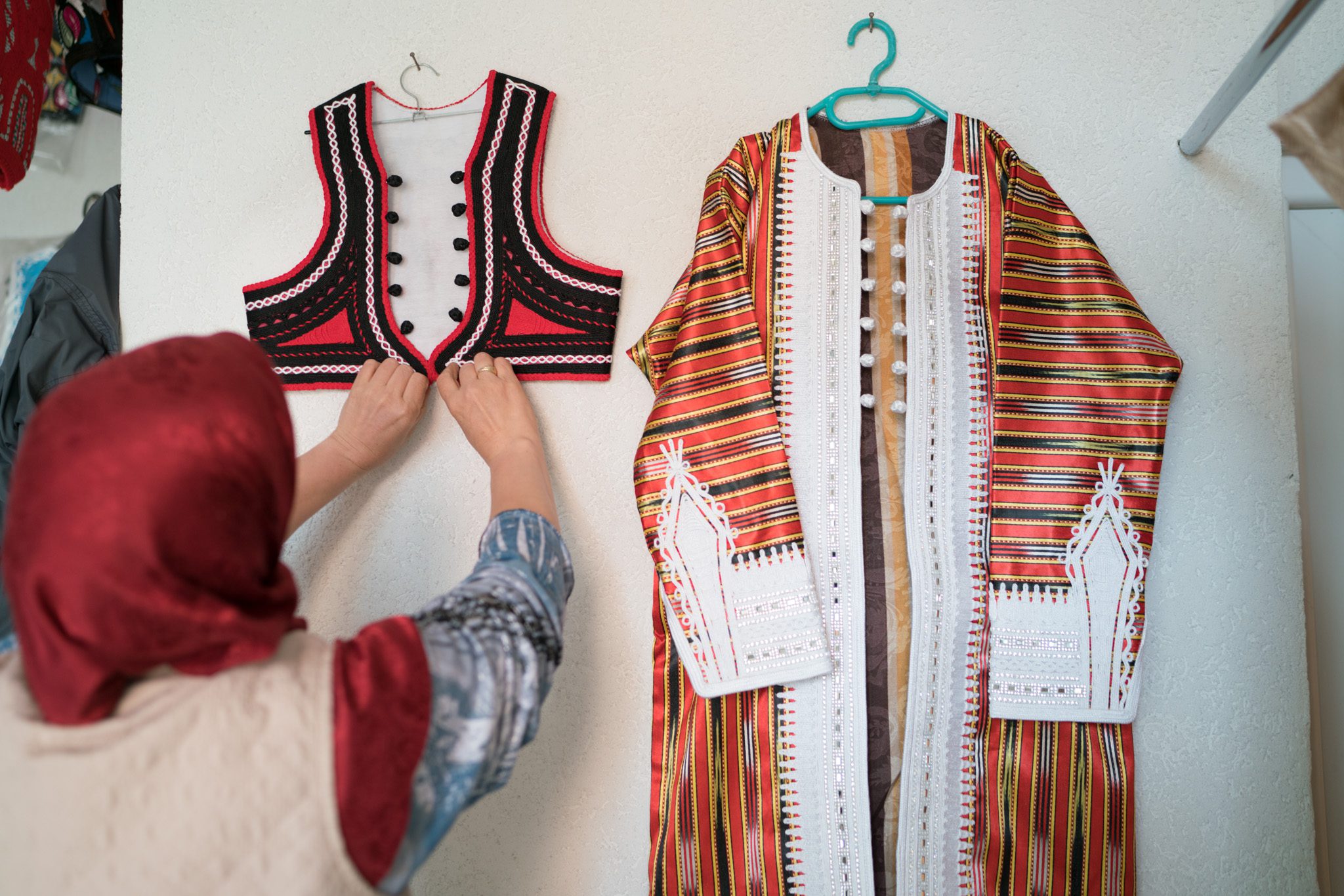
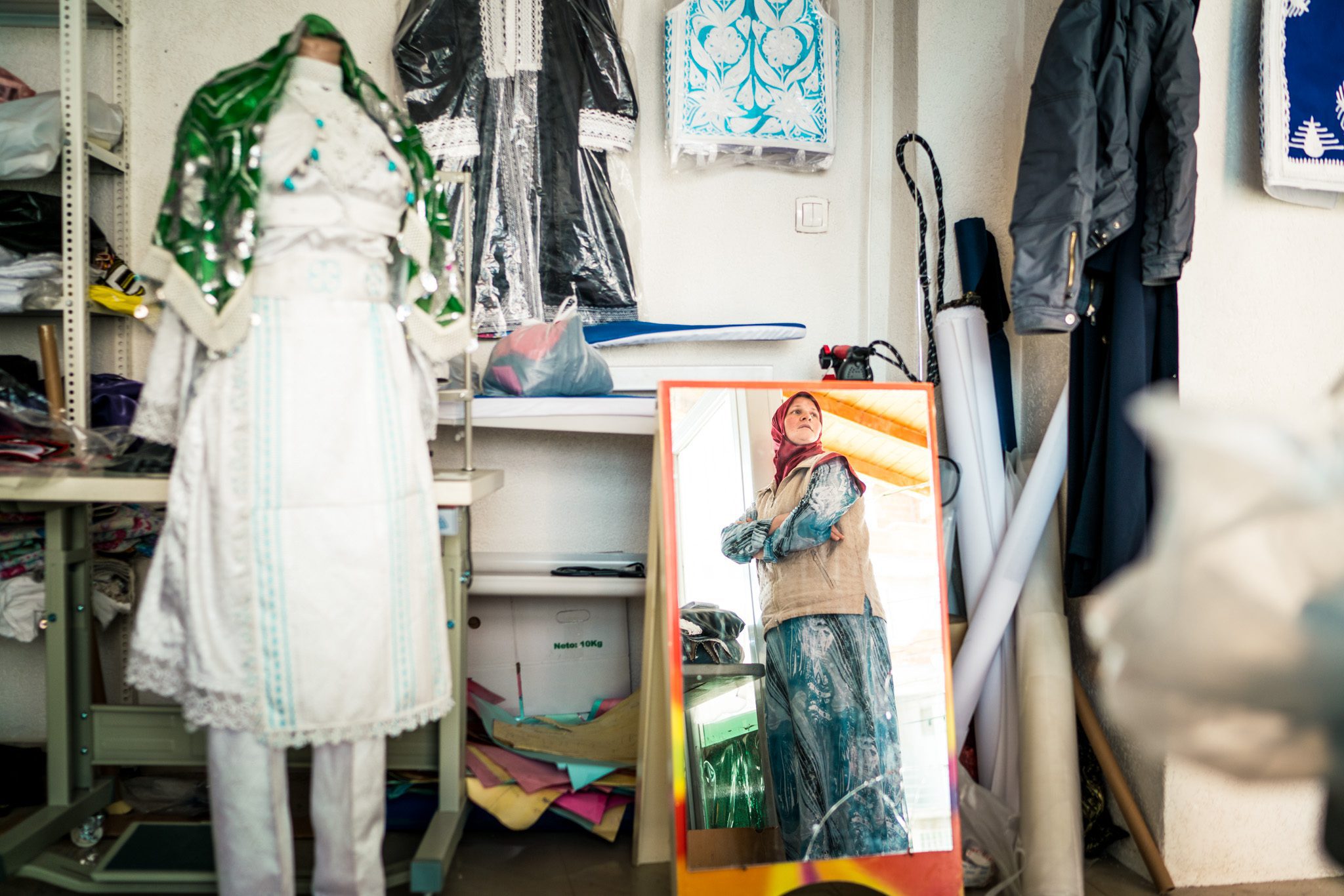
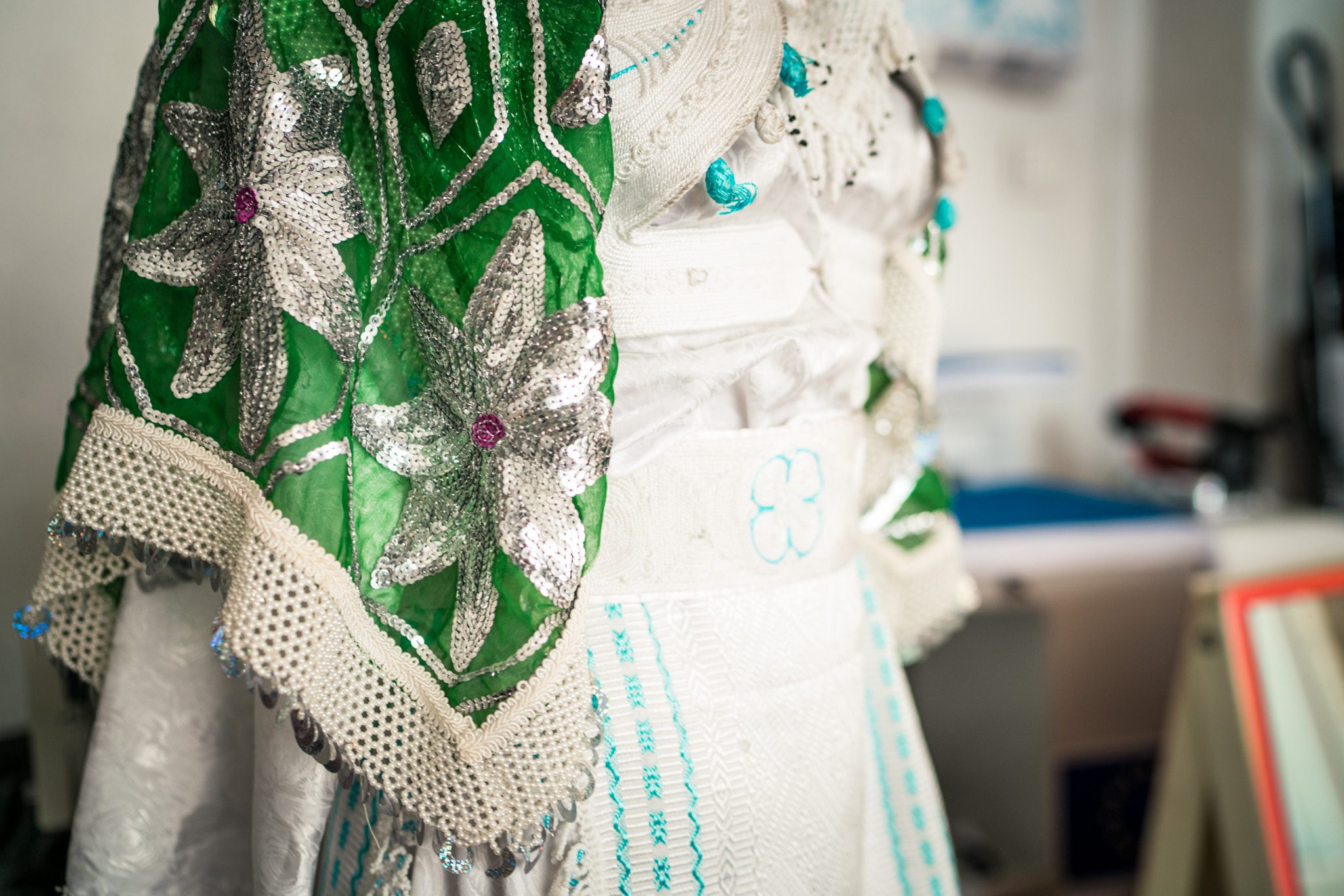
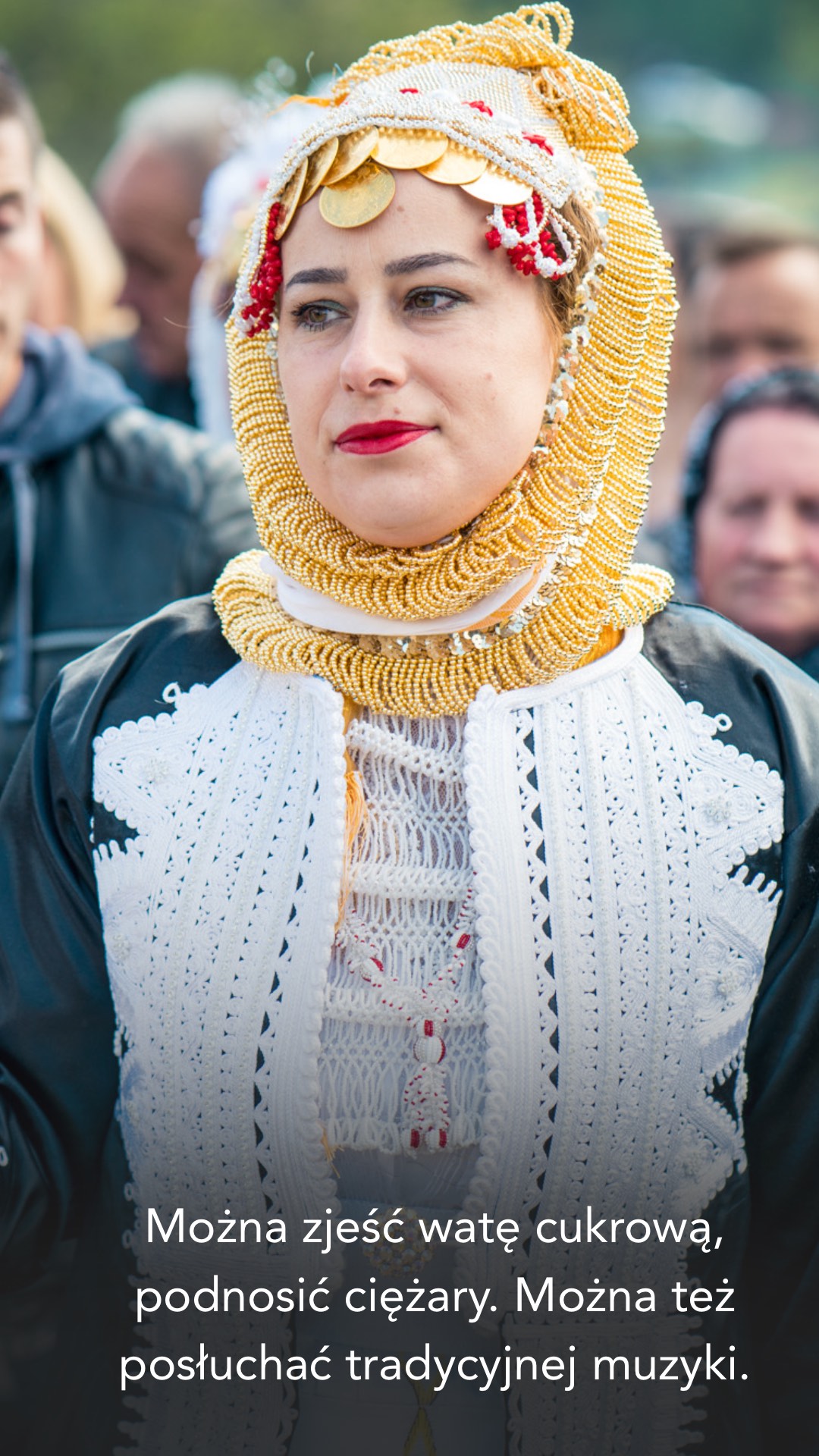
Traditional Gorani clothes are not museum relics. They are worn at ceremonies, at the May gathering, at weddings. The decorations communicate: red and yellow means married. White means not yet. The price of a full woman's costume: more than 300 euros. Some families still sew at home, by hand.
"NOBODY WANTS US,- Nuhirja, local activist · The Gorani, 2018
BUT EVERYONE NEEDS US."
The Serbs support the Gorani to upset the Albanians. The Albanians limit Gorani-language education. The Gorani had no say in any of it.
THE WEDDING · THE GATHERING
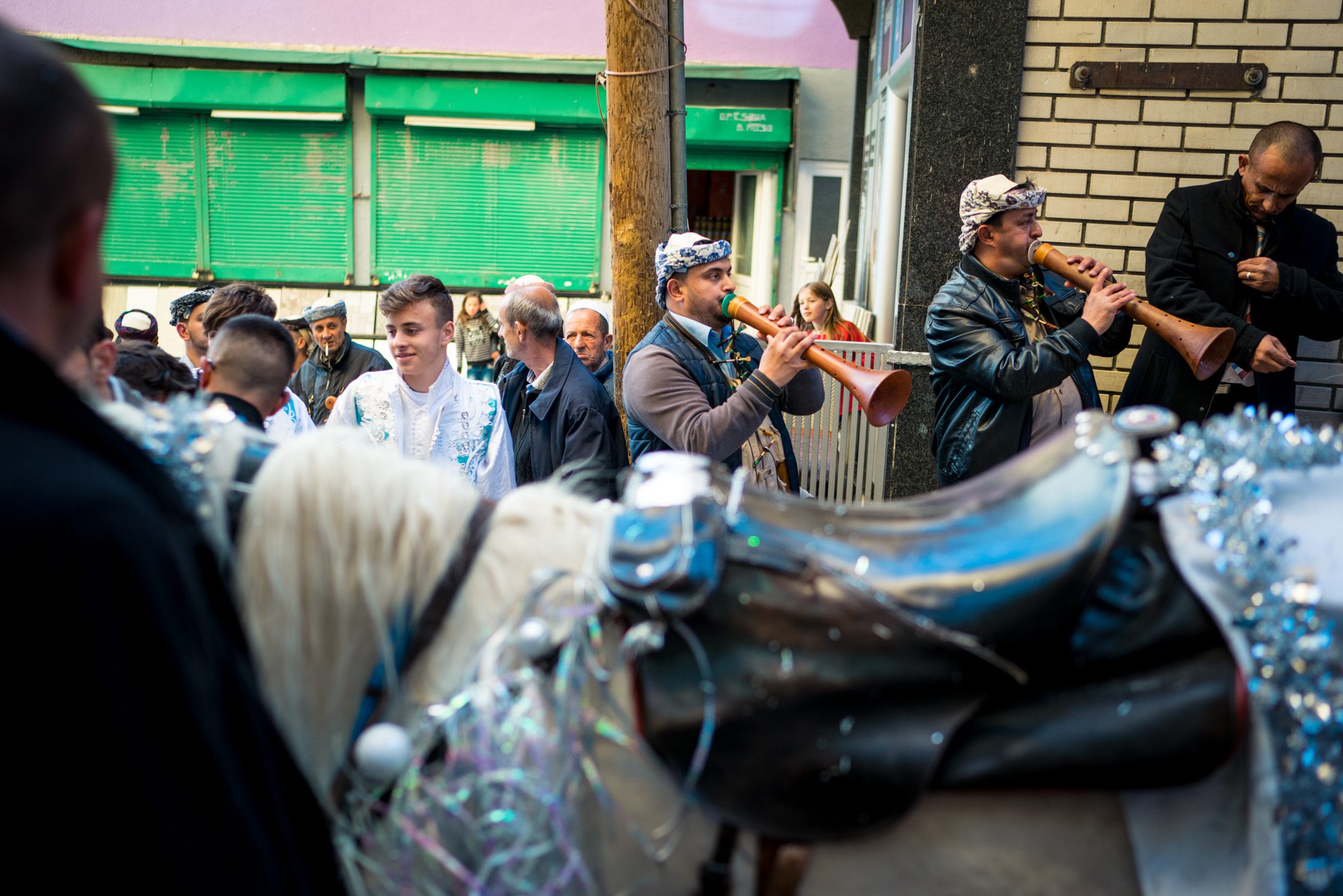
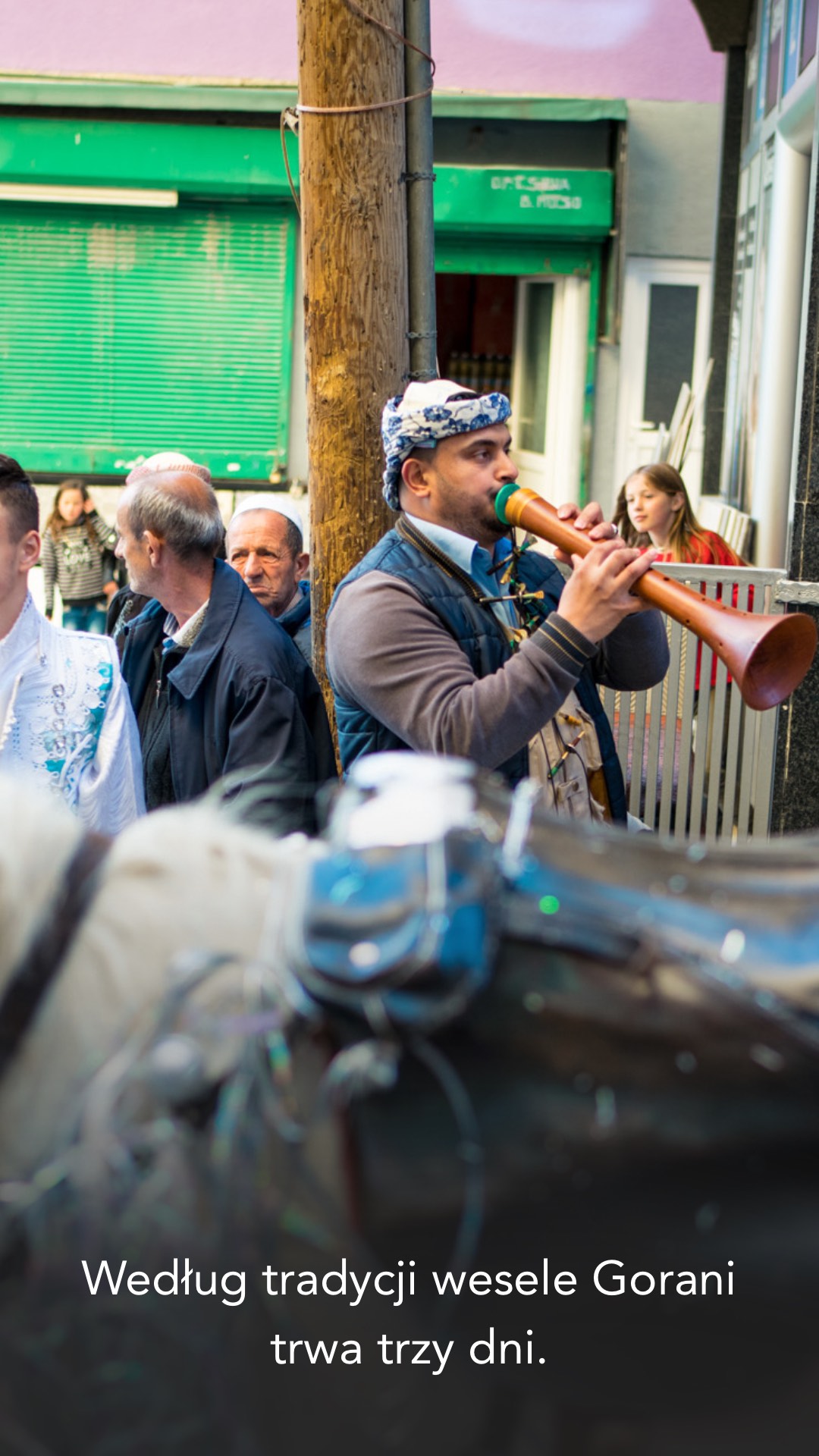
Traditionally, a Gorani wedding lasts three days. The groom arrives on a white horse. The bride follows, sometimes under a white umbrella. On the third day, the husband's family washes the bride's face. Due to cost and complexity, it is increasingly rare to see a traditional wedding in full.
The annual "vlashka" gathering draws several hundred people to a clearing between Dragac and Krushevo. Music, traditional dance, candyfloss. After a whole day, people continue in their homes. Eventually, part of the village empties out. It waits for the next year.
INSTAGRAM STORIES
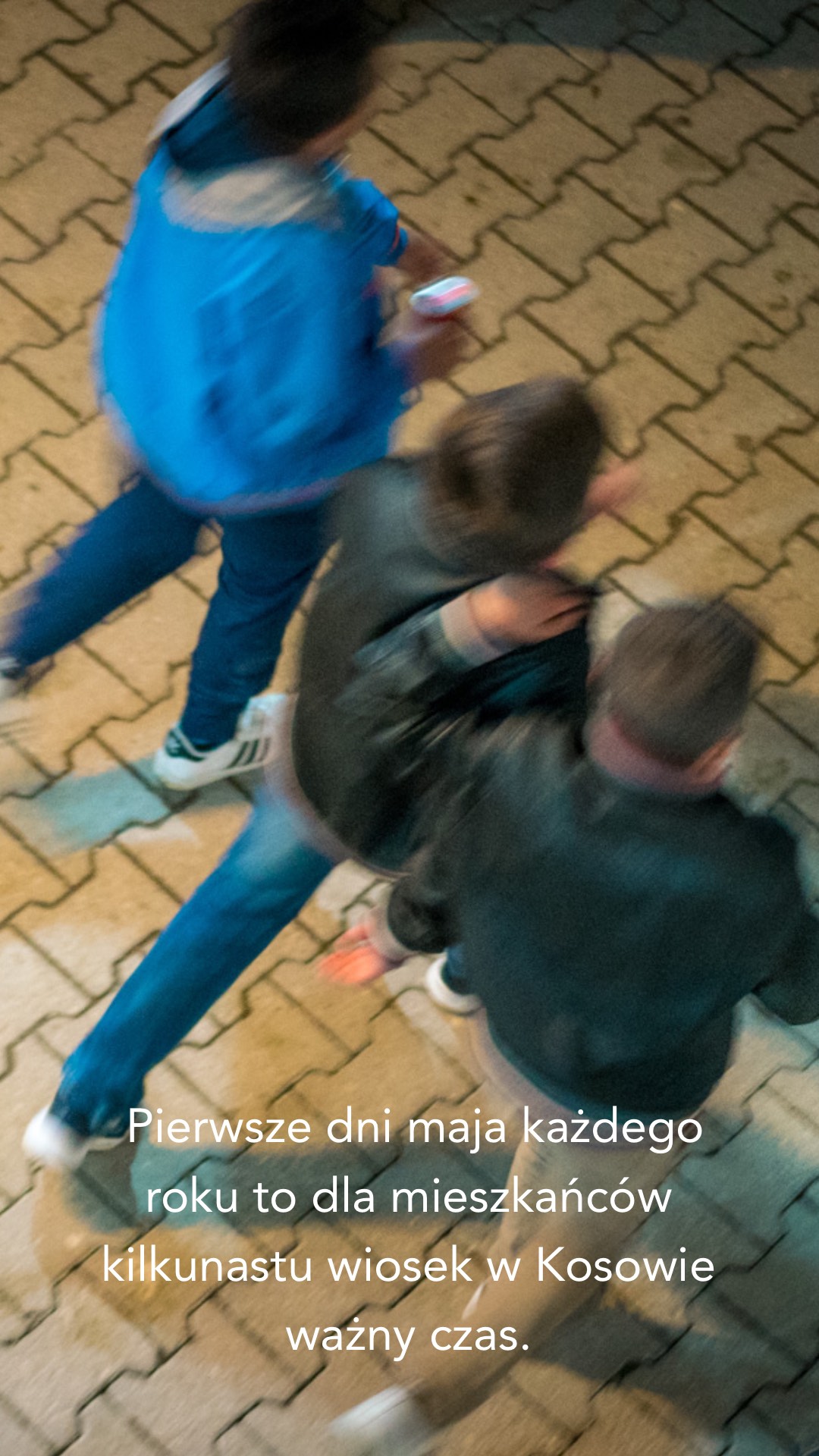
The story was adapted into 58 vertical frames for Instagram Stories - a parallel format for mobile audiences. Each frame was designed as a self-contained unit in the narrative.
THE QUESTION IS,- The Gorani, Outriders, 2018
HOW LONG WILL IT LAST?