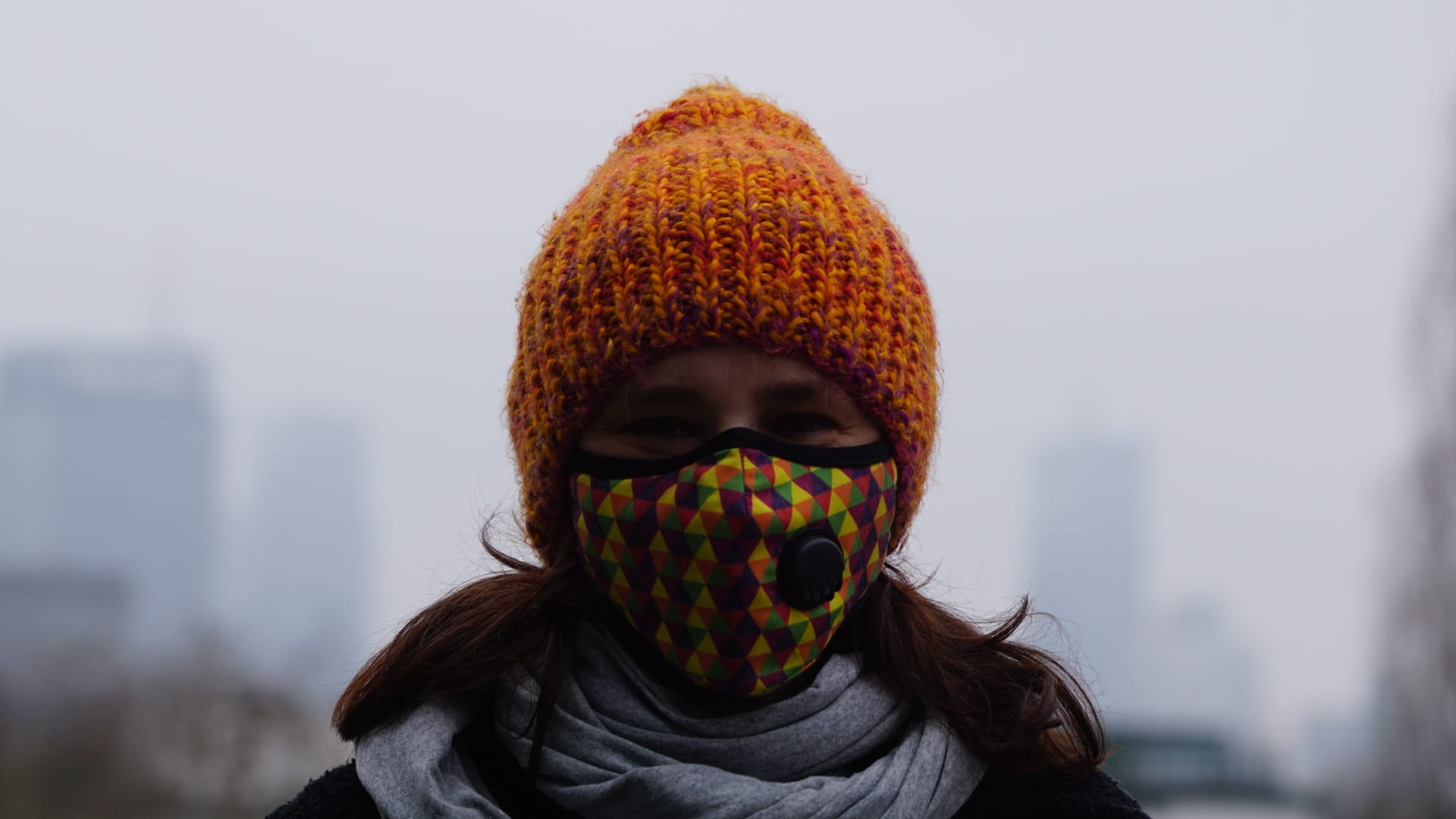
#DEEPBREATH
A global journalism event about the air we all breathe.
READ THE STORYHOSTWRITER PITCH PRIZE
Awarded before publication - based on the pitch alone. 1,000 EUR prize for most innovative cross-border journalism idea.
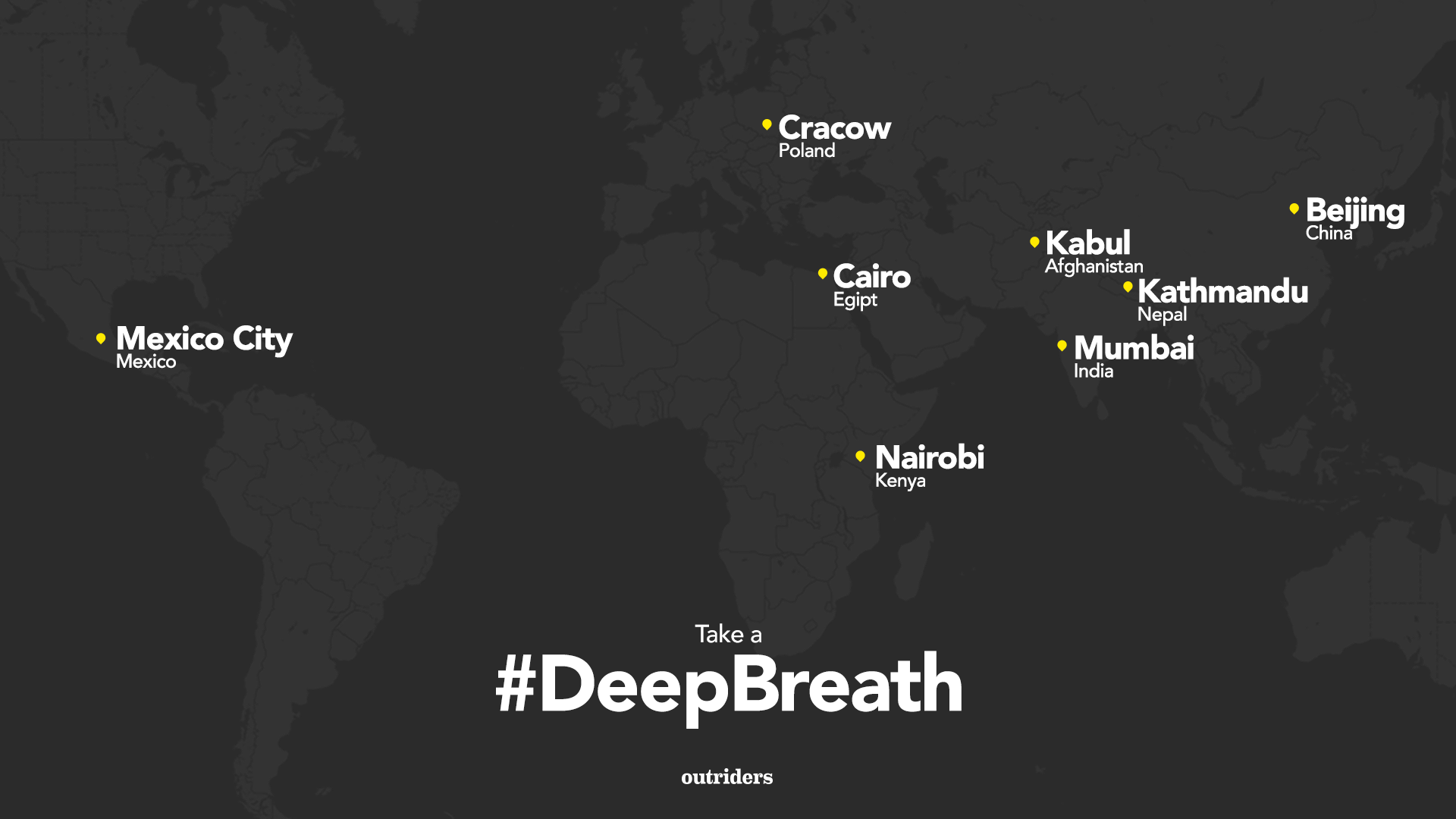
ONE DAY. EIGHT CITIES.
ONE SHARED CONDITION.
On May 5th, 2017, eight reporters across four continents hit the streets simultaneously. For 24 hours, they documented one day in some of the world's most polluted cities - tracking the hashtag #DeepBreath in real time.
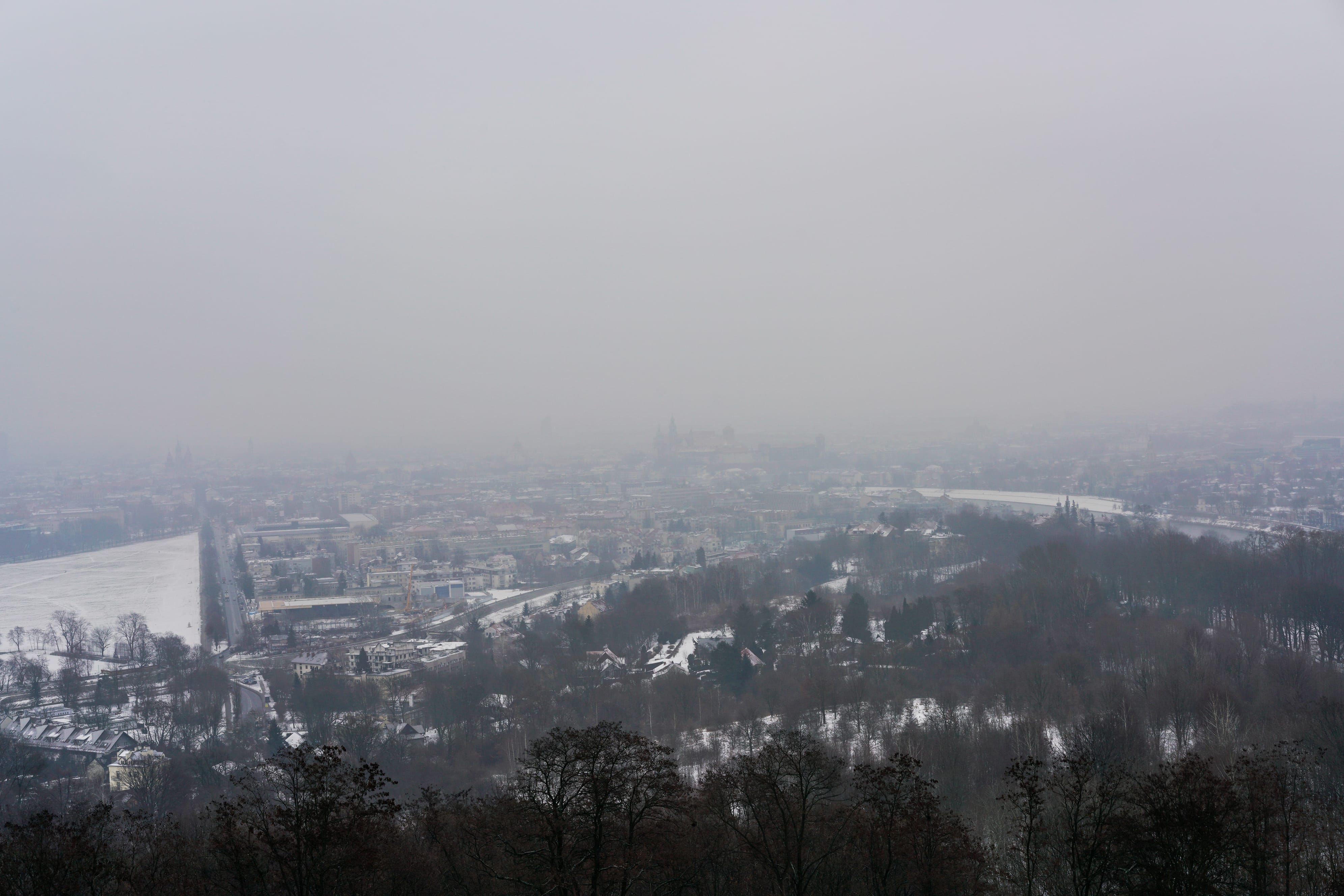
The result was not a wire report or a travel piece. It was eight embedded journalists telling stories no foreign correspondent would have found: a doctor in Cairo treating patients whose lungs were failing, a factory worker in Mumbai whose mask was the most expensive thing he owned, a researcher in Krakow measuring air quality with a homemade sensor.
#DeepBreath was Outriders' fourth interactive story. It ran on approximately 300 euros before the Hostwriter Prize was awarded - no cross-border journalism training, no test run, no safety net.
"THE SCREEN DELIVERS.- Jakub Górnicki, Outriders
THE ROOM IS STILL FILLED
WITH THE SAME AIR."
EIGHT CITIES. EIGHT PEOPLE.
ONE PROBLEM.
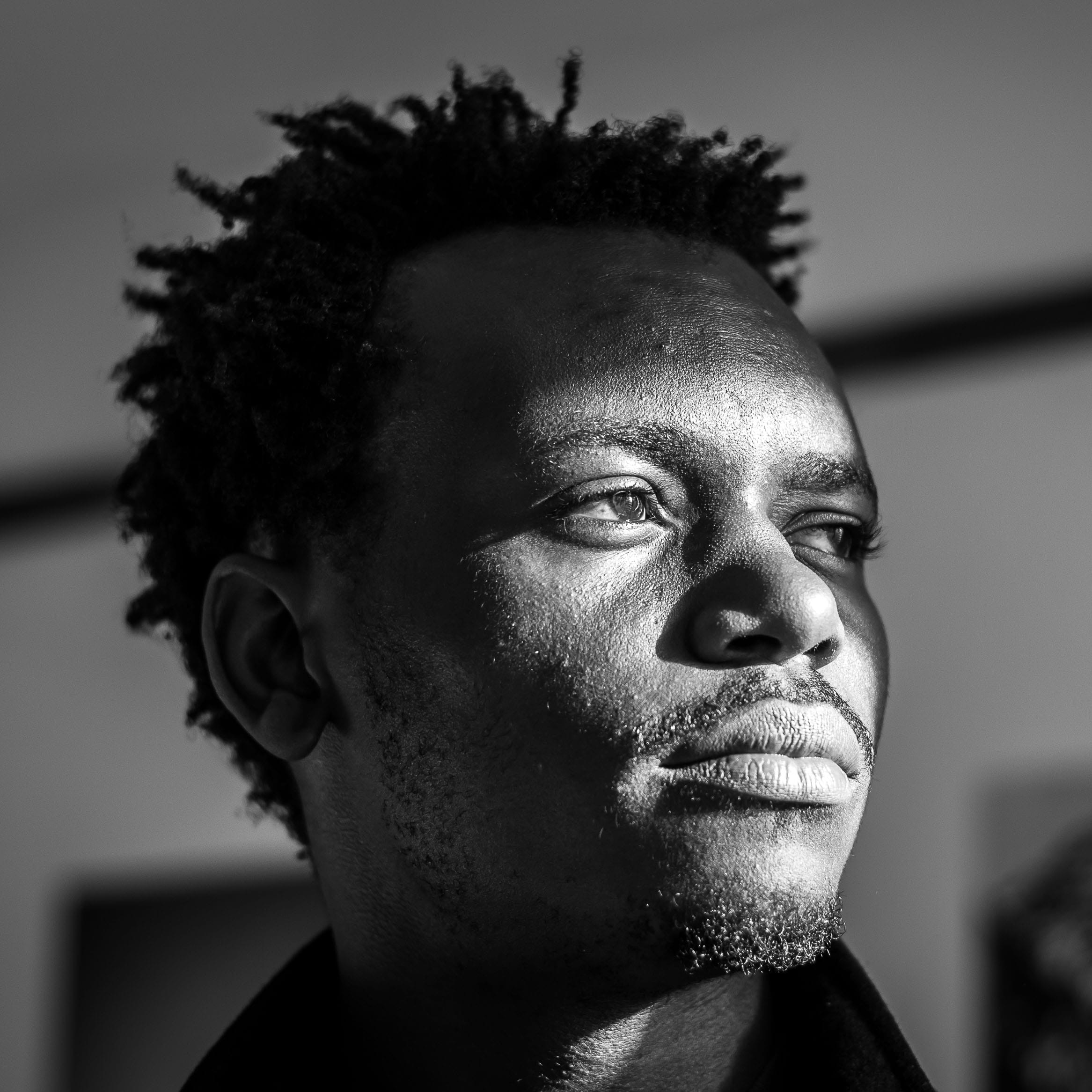
Brian Otieno
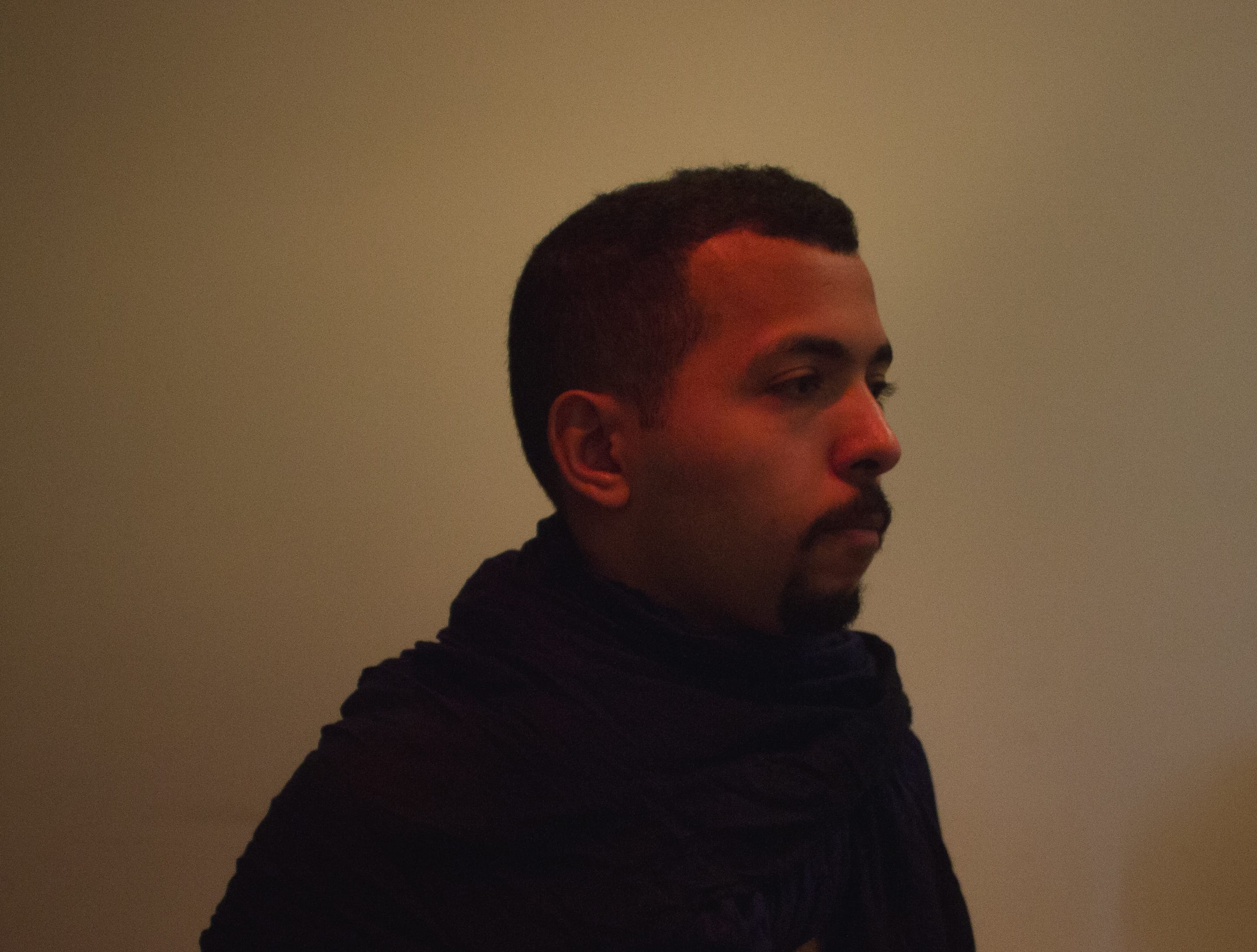
Mahmoud Khattab
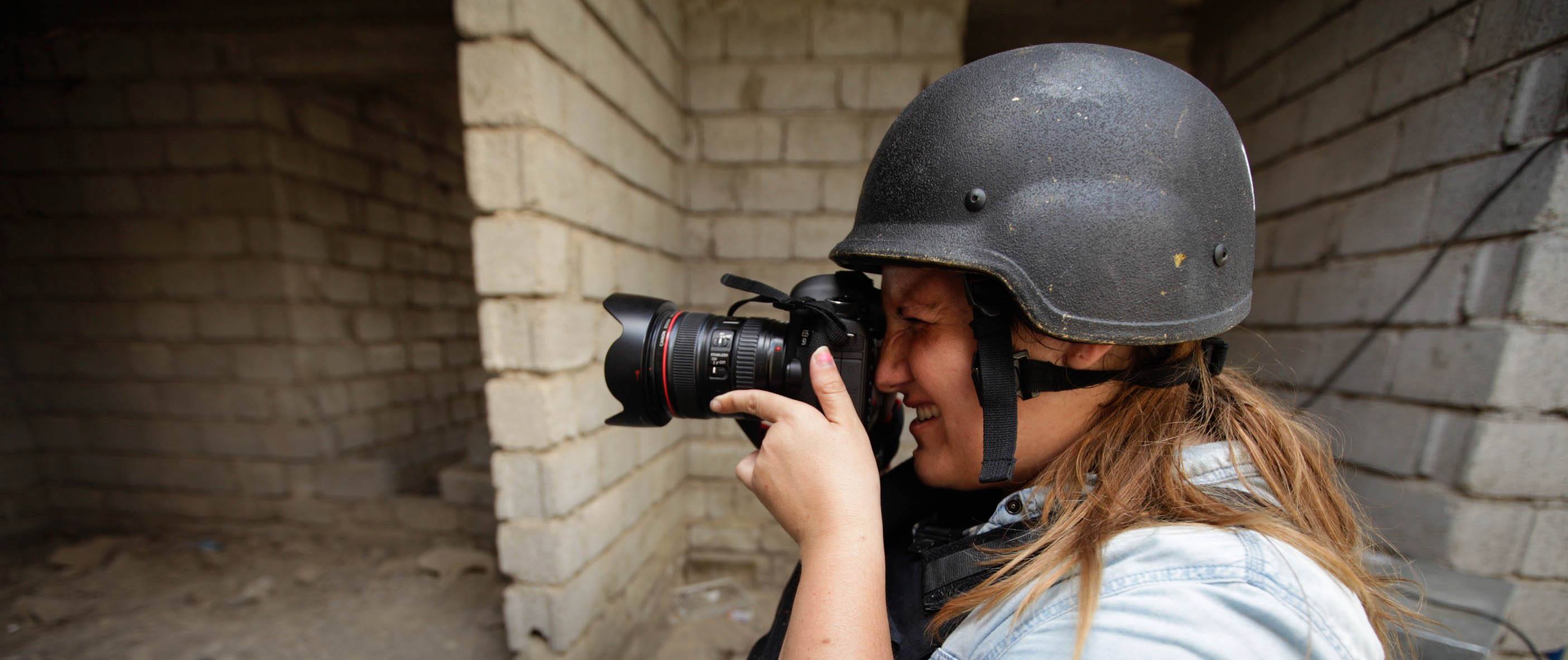
Maria de la Guardia

Mauricio Palos
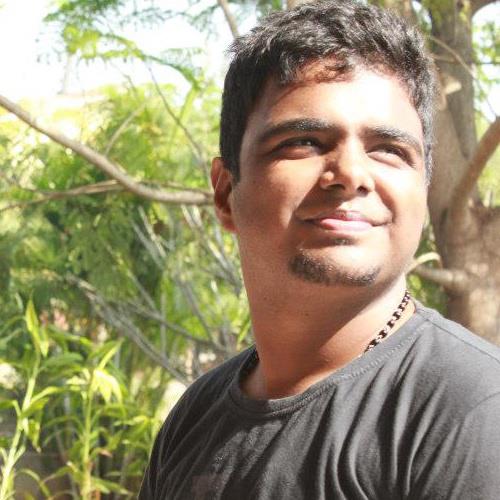
Vishal Manve
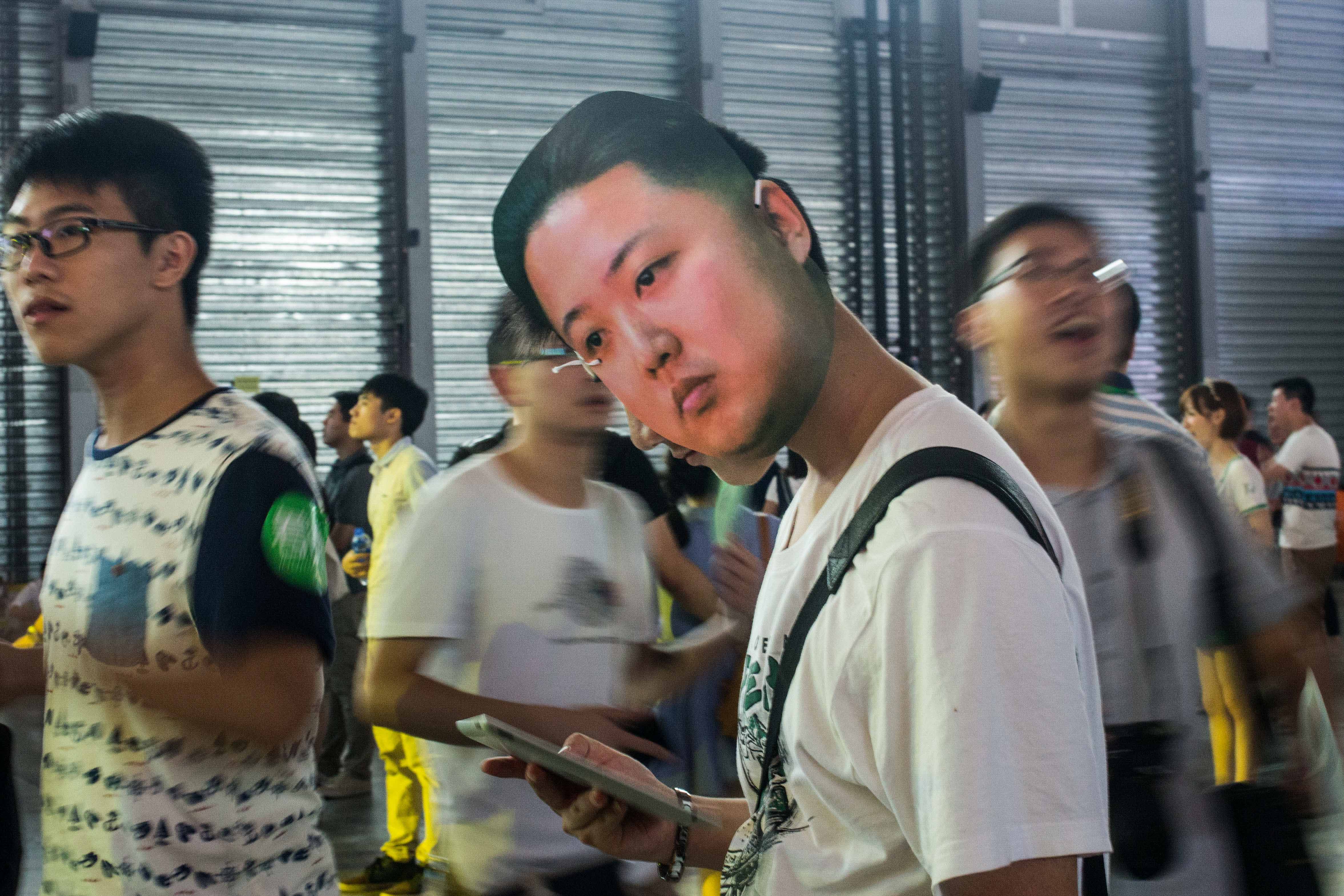
Chiara
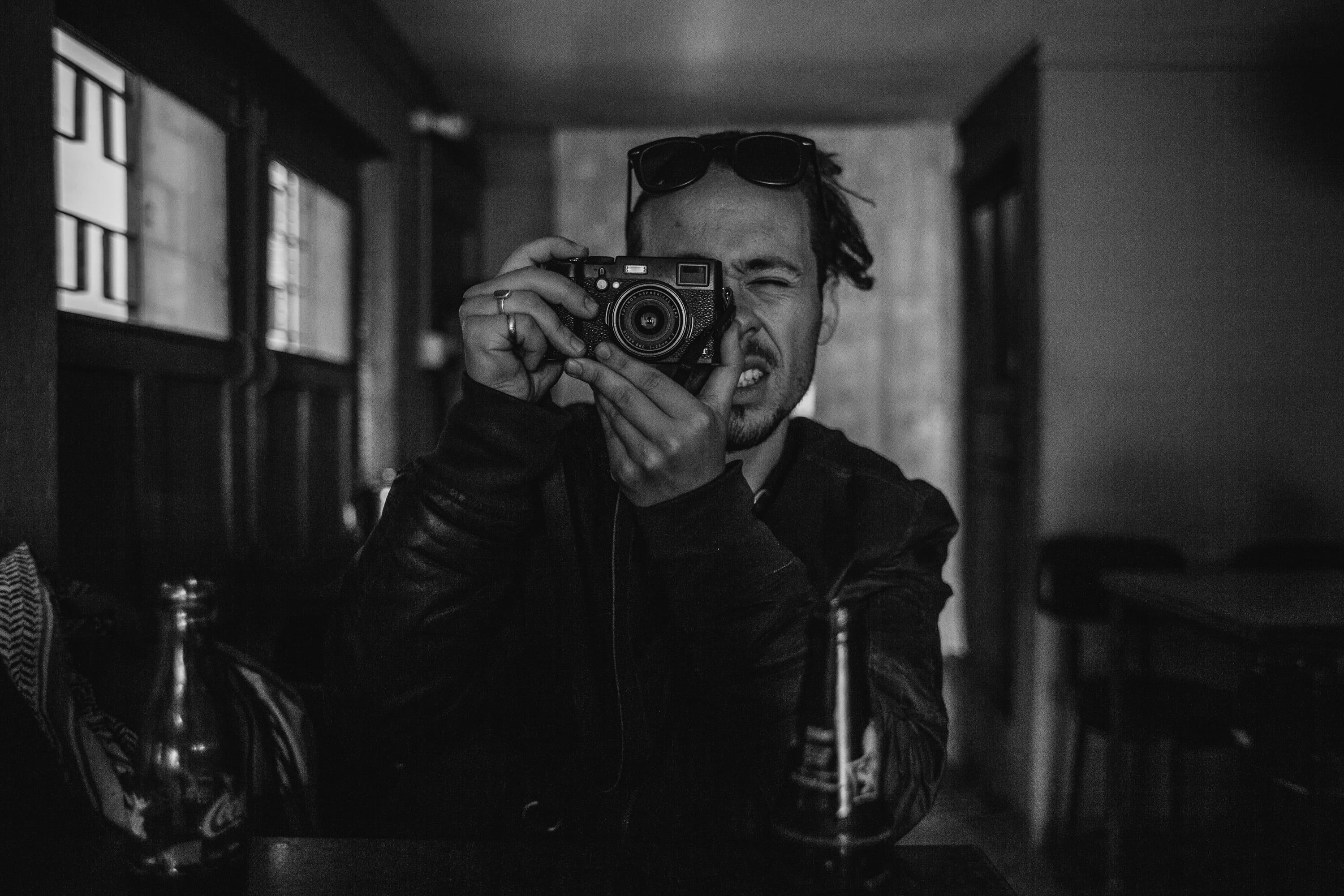
Benjamin Filarski
Ewa Dziardziel
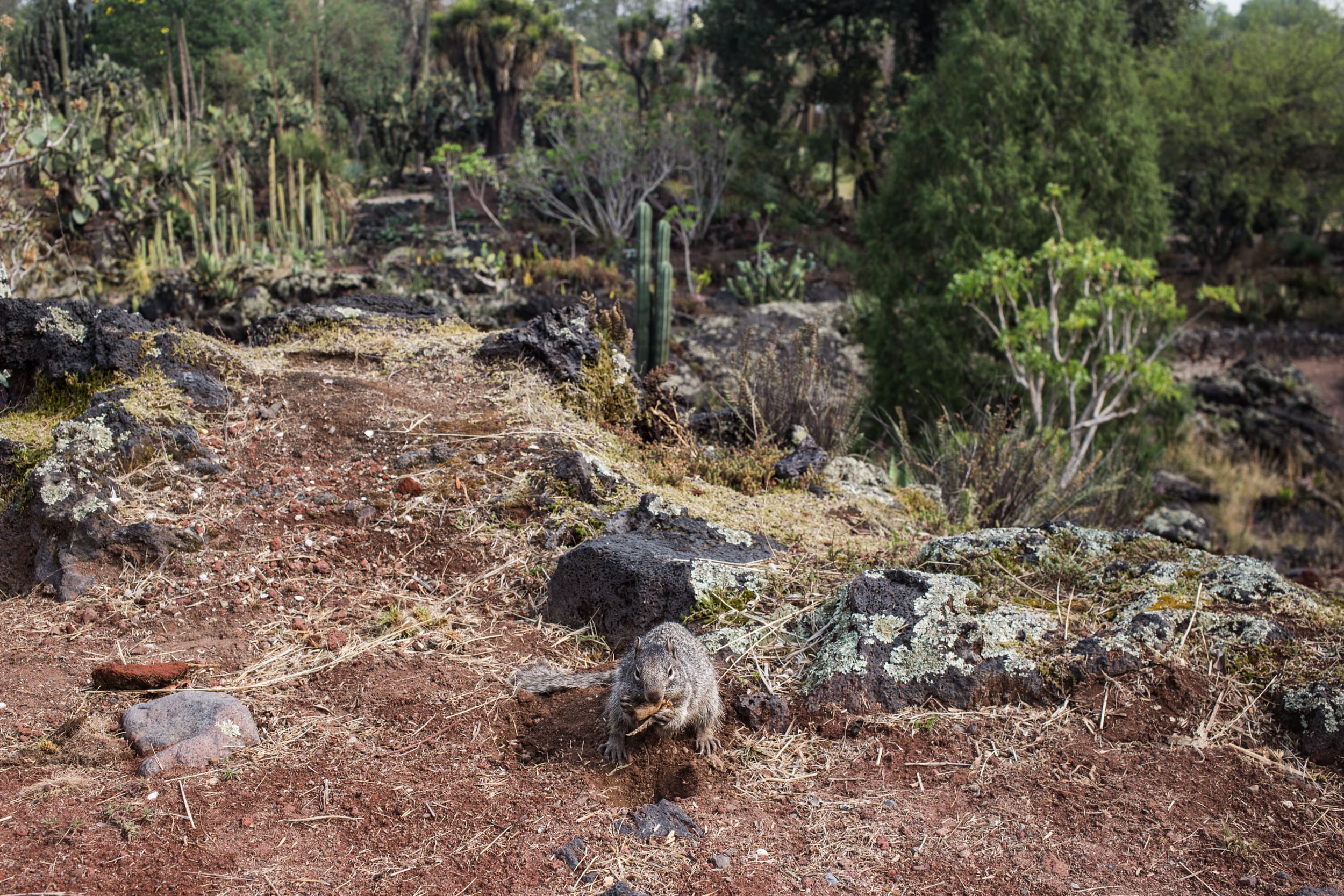
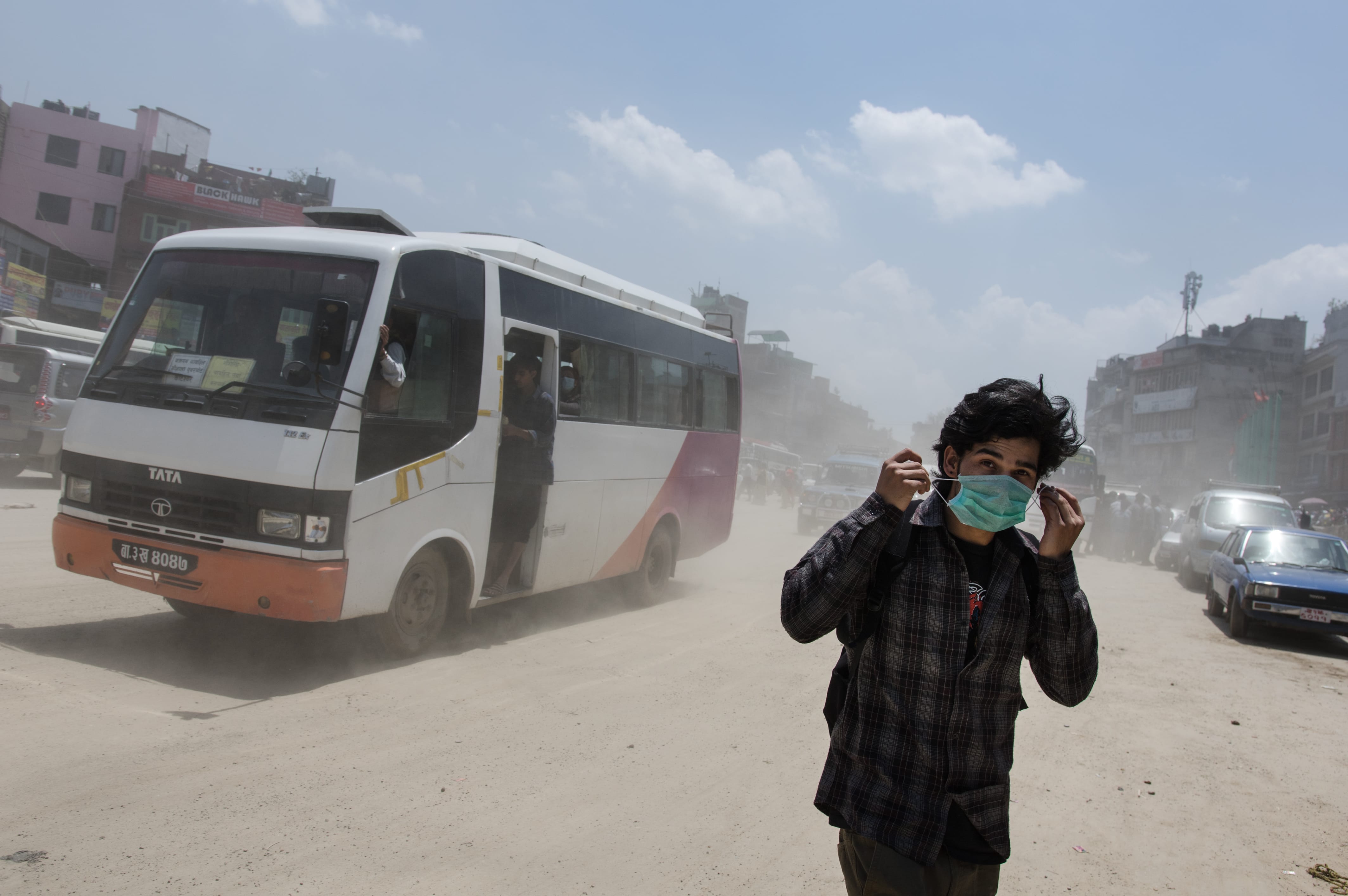
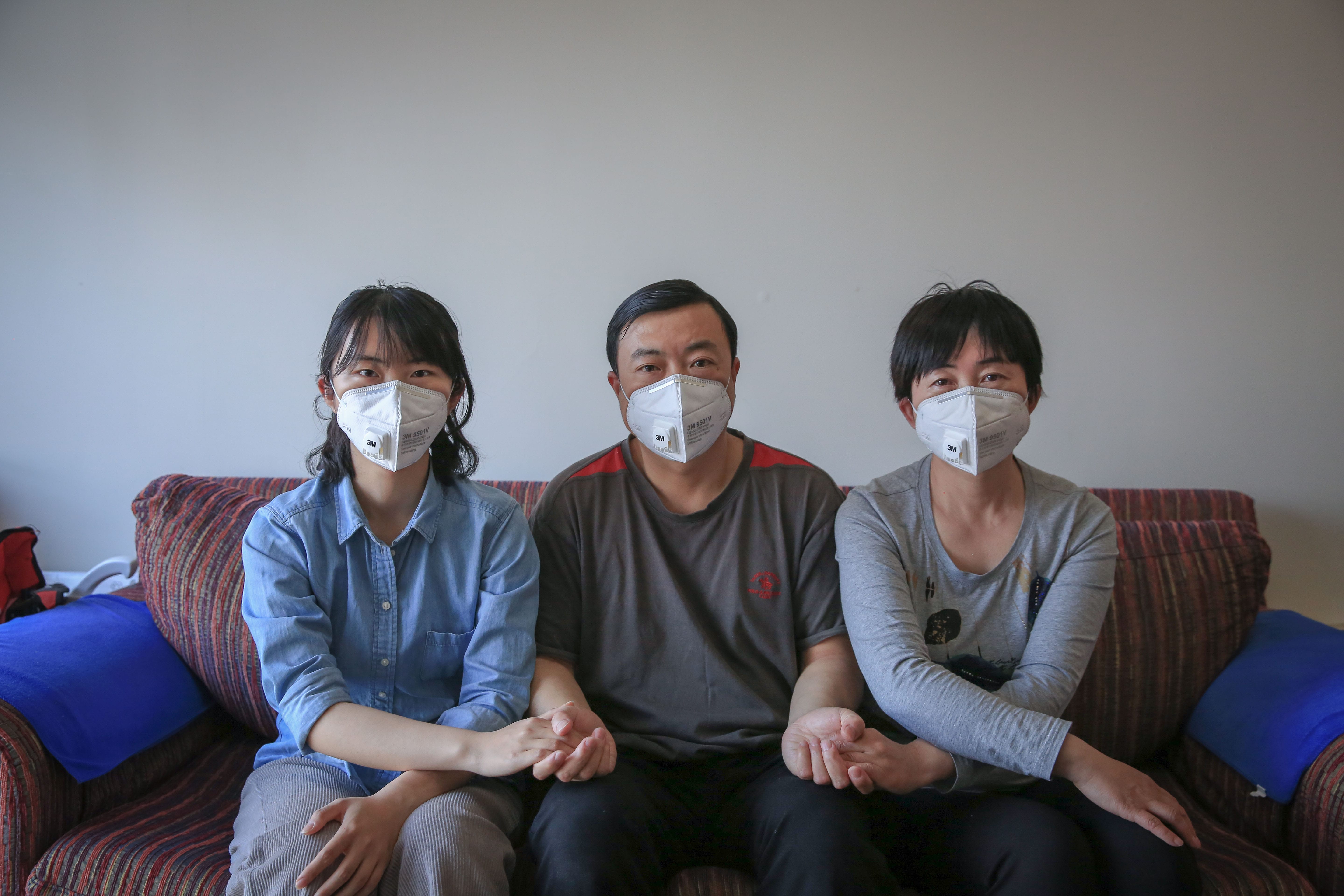
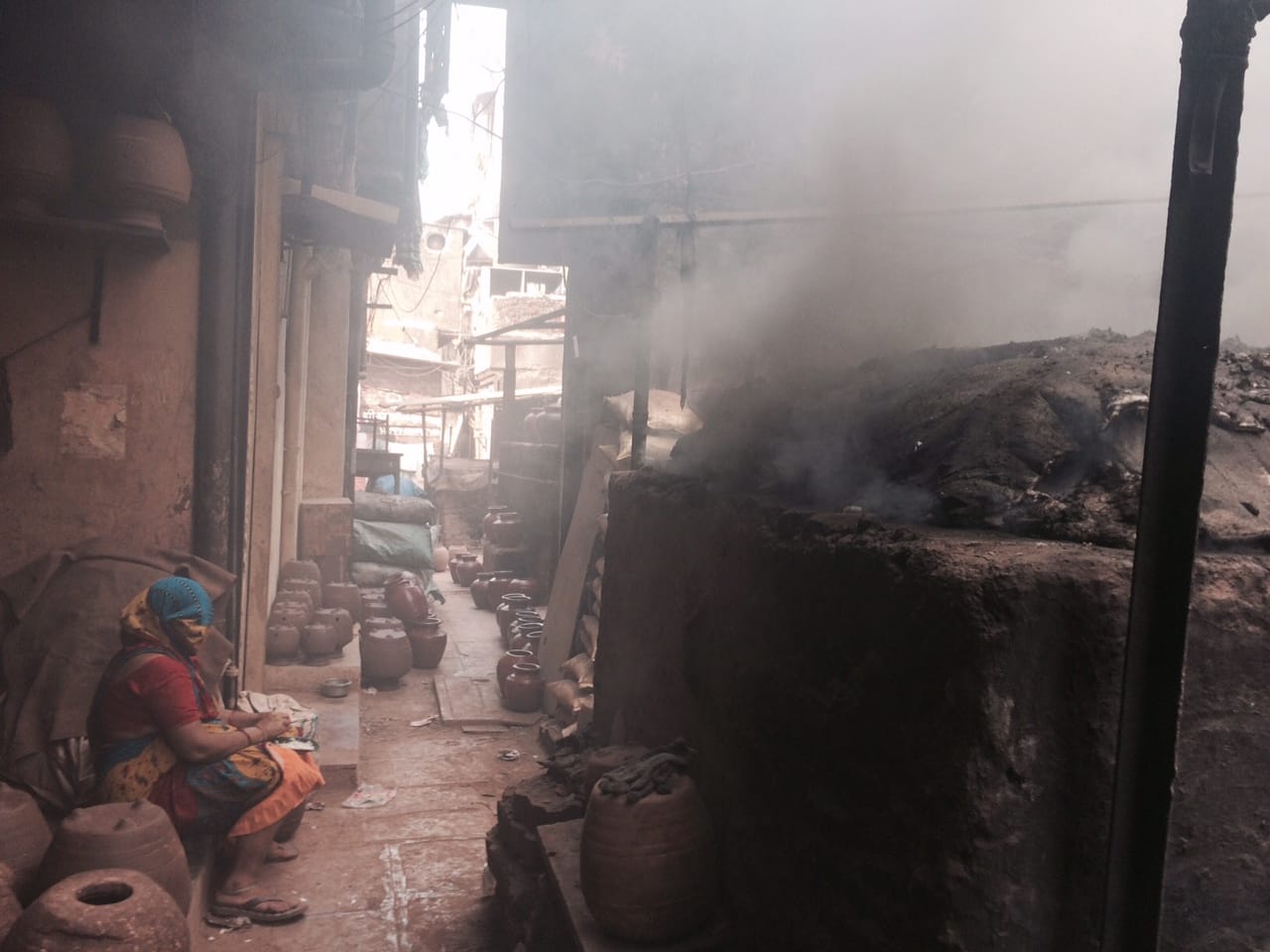
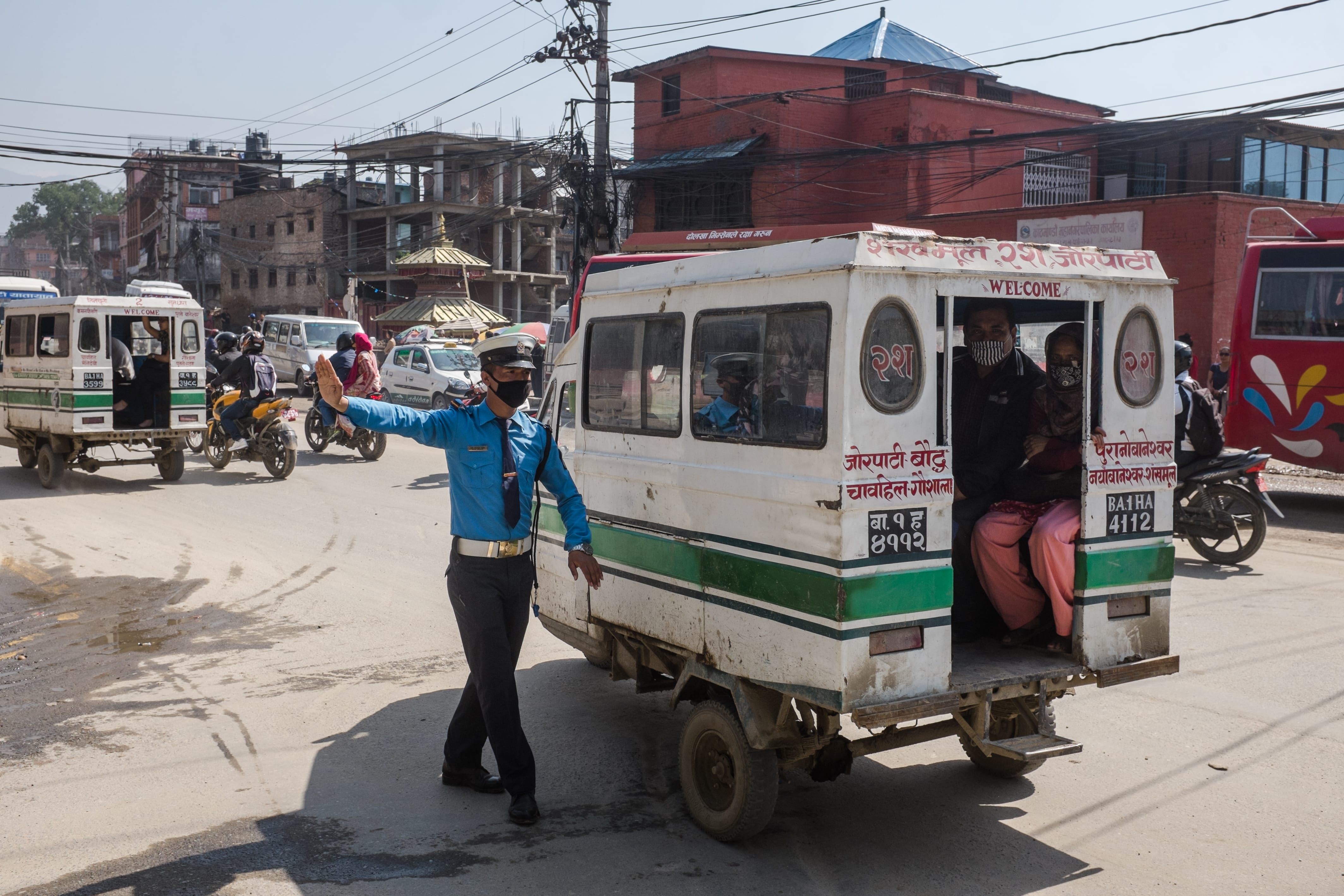
REAL-TIME. SIMULTANEOUS. CROSS-BORDER.
Each reporter had 24 hours. They were asked to produce 3 to 6 images and at least one interview. There was no test run. No central editor on the ground. The coordination happened remotely, across time zones, on almost nothing.
The project launched as a social media event - reporters posting in real time to #DeepBreath from Nairobi to Beijing - before the full interactive story was published. It was journalism as live performance: transparent, imperfect, and impossible to fake.
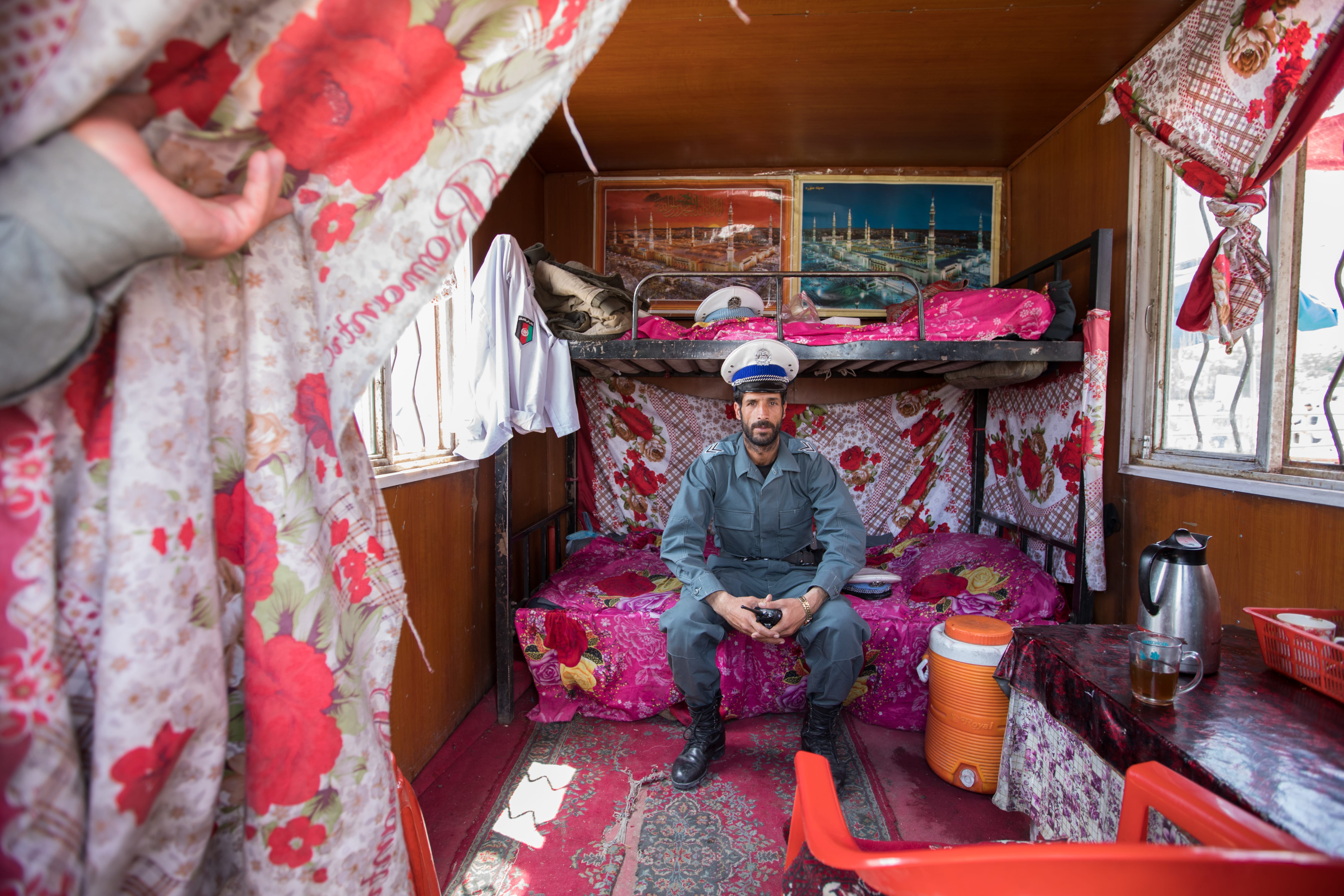
NOT A WIRE REPORT.
AN EMBEDDED VIEW.
The final interactive reportage covered 11 cities on 5 continents. It combined personal stories - patients, activists, factory workers - with data journalism: WHO air quality indexes, health impact statistics, policy responses in Delhi, London, Cairo, and Berlin.
What it didn't do: assign a foreign correspondent to each city, filter through an agency, or reduce the story to a map of red dots. Each reporter was from their city. That's the difference.
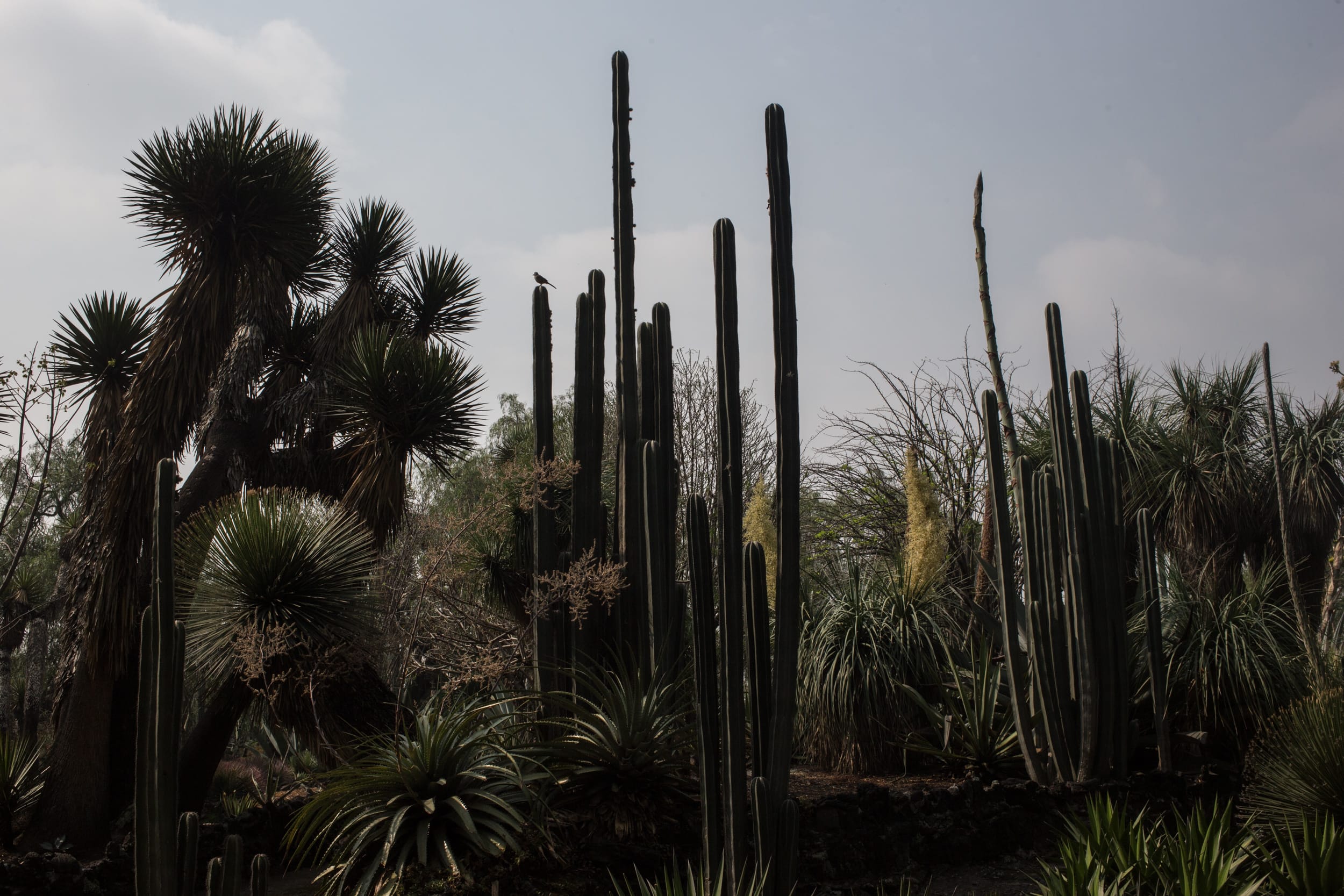
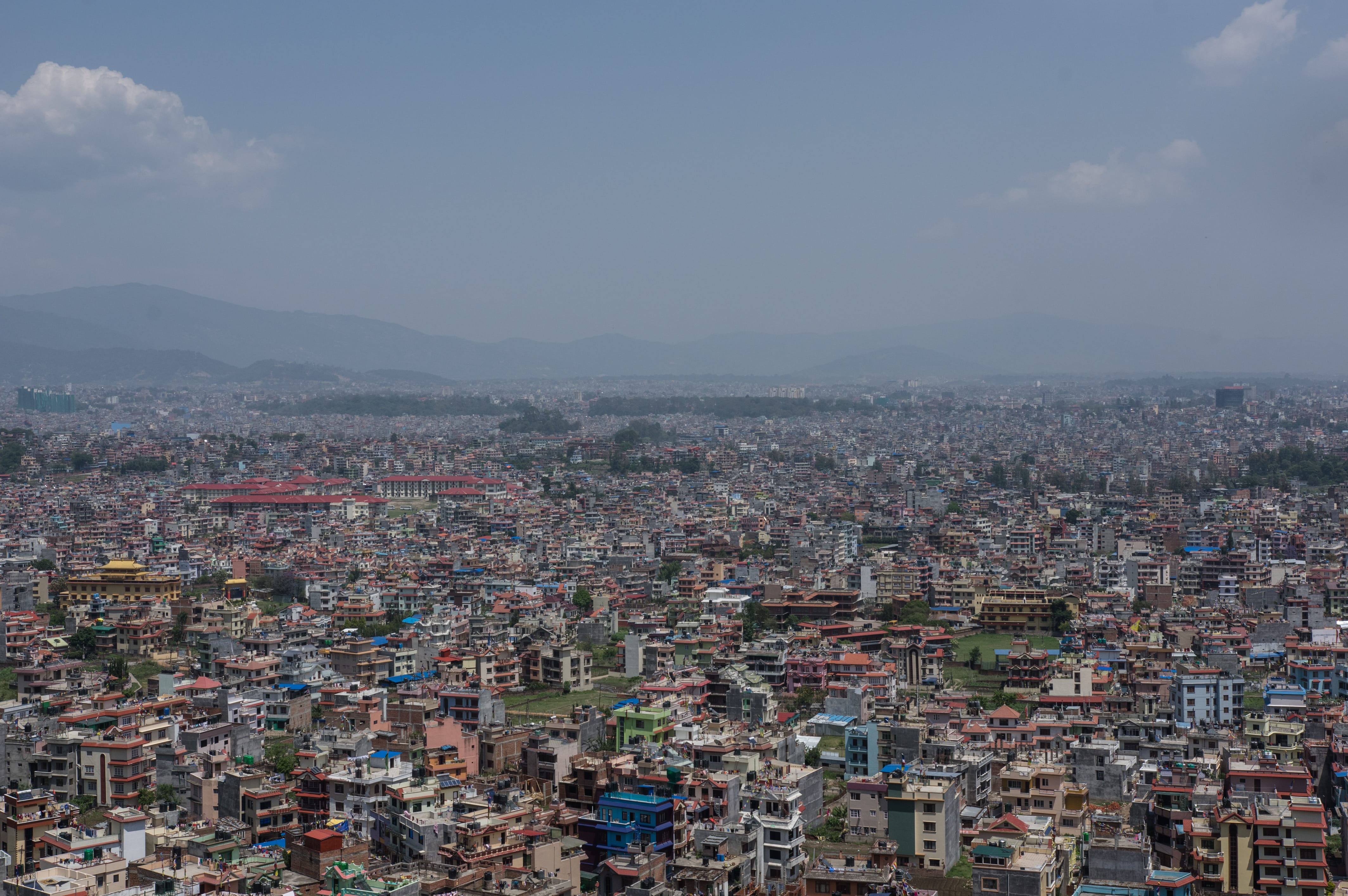
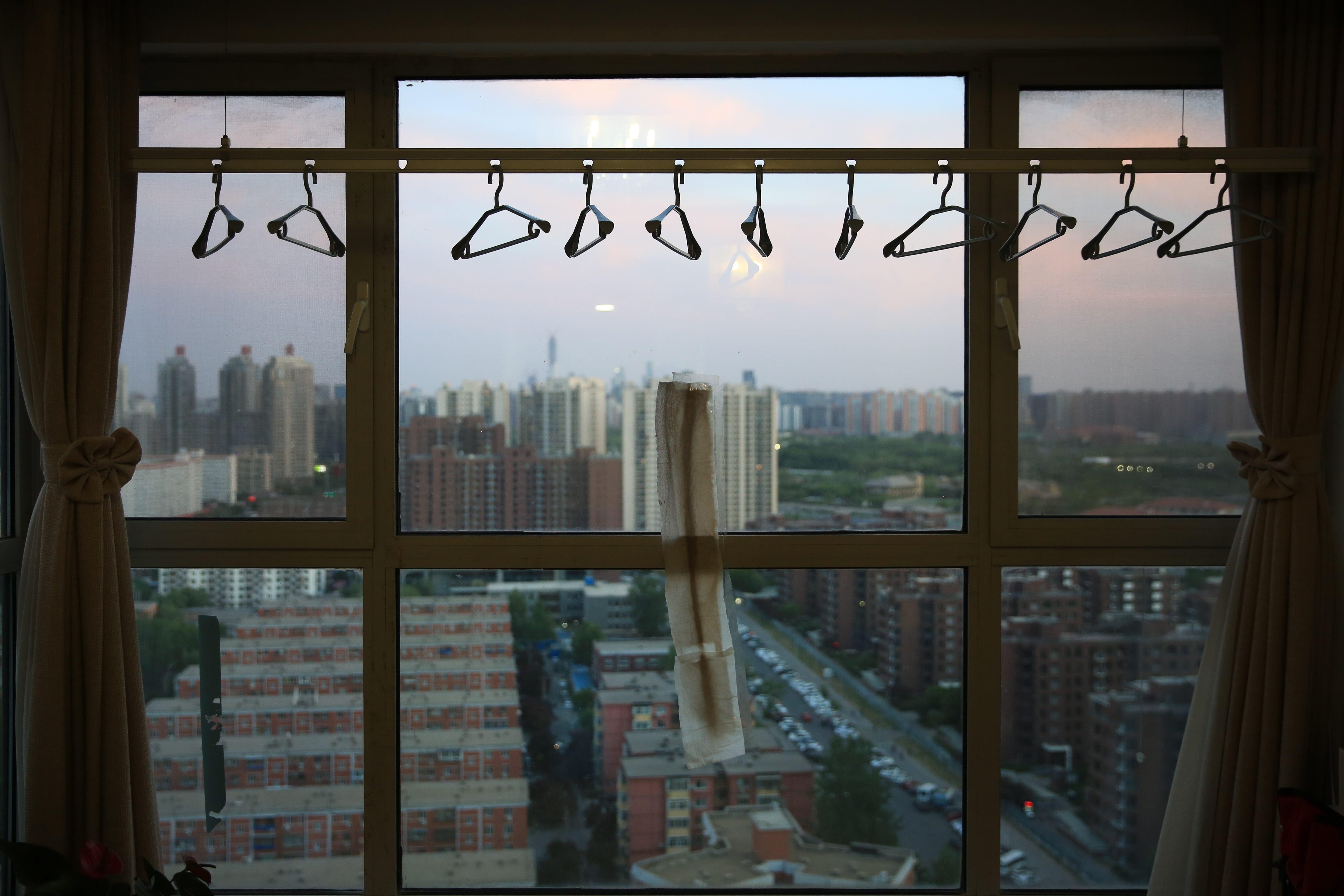
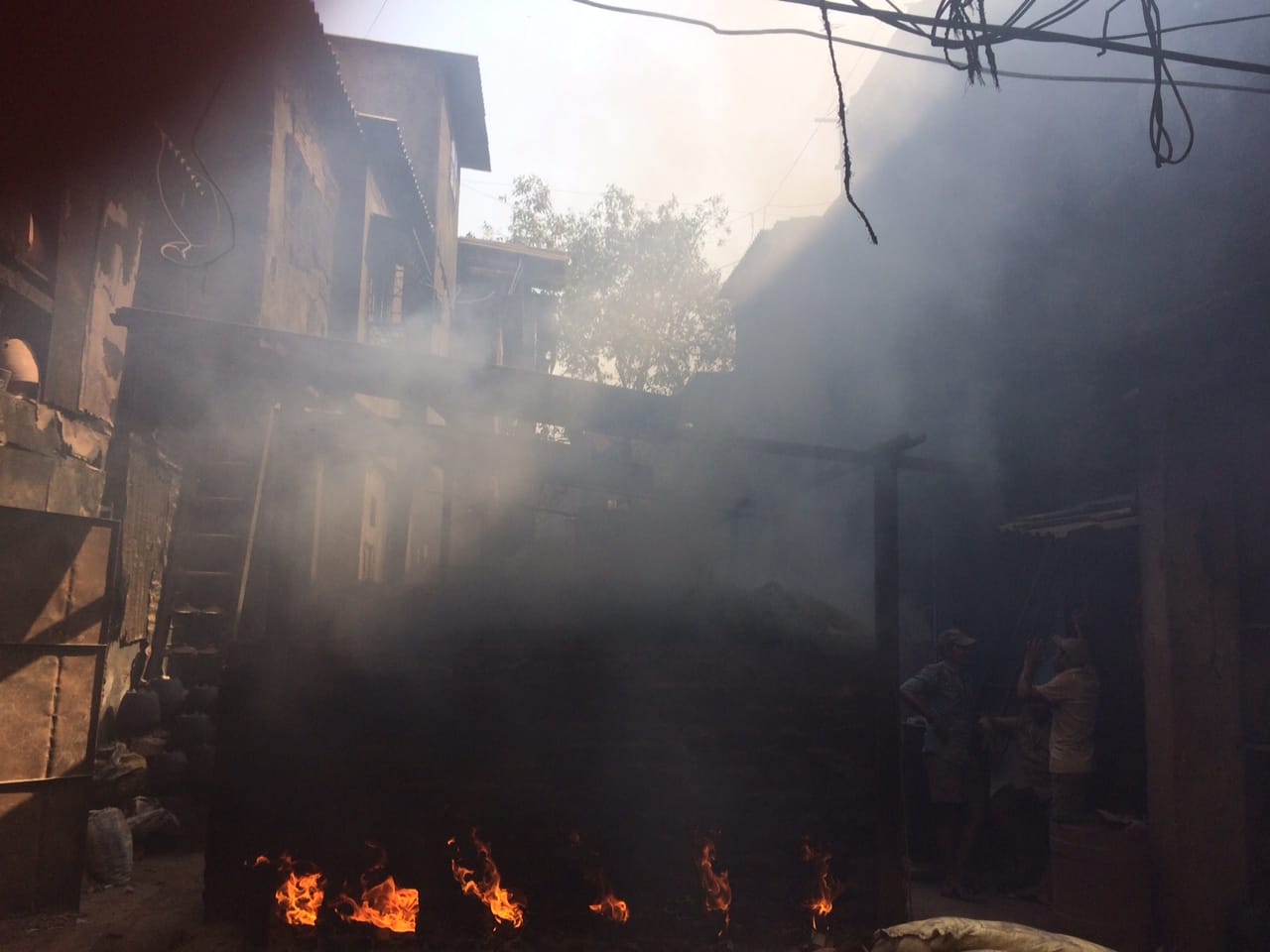
"WE WANTED TO SHOW THE AIR POLLUTION PROBLEM AGAINST DIFFERENT CITIES WORLDWIDE. THE DISCUSSION ABOUT SMOG HAS LONG EXISTED IN KRAKOW. IT GAINED NEW DIMENSIONS IN WARSAW THIS YEAR."- Jakub Górnicki