ALONG THE
BALKAN ROUTE
Refugee families fleeing war seek future in Europe. A journey through the full length of the migration corridor - Greece to Vienna.
THE ROUTE THAT NO LONGER EXISTS
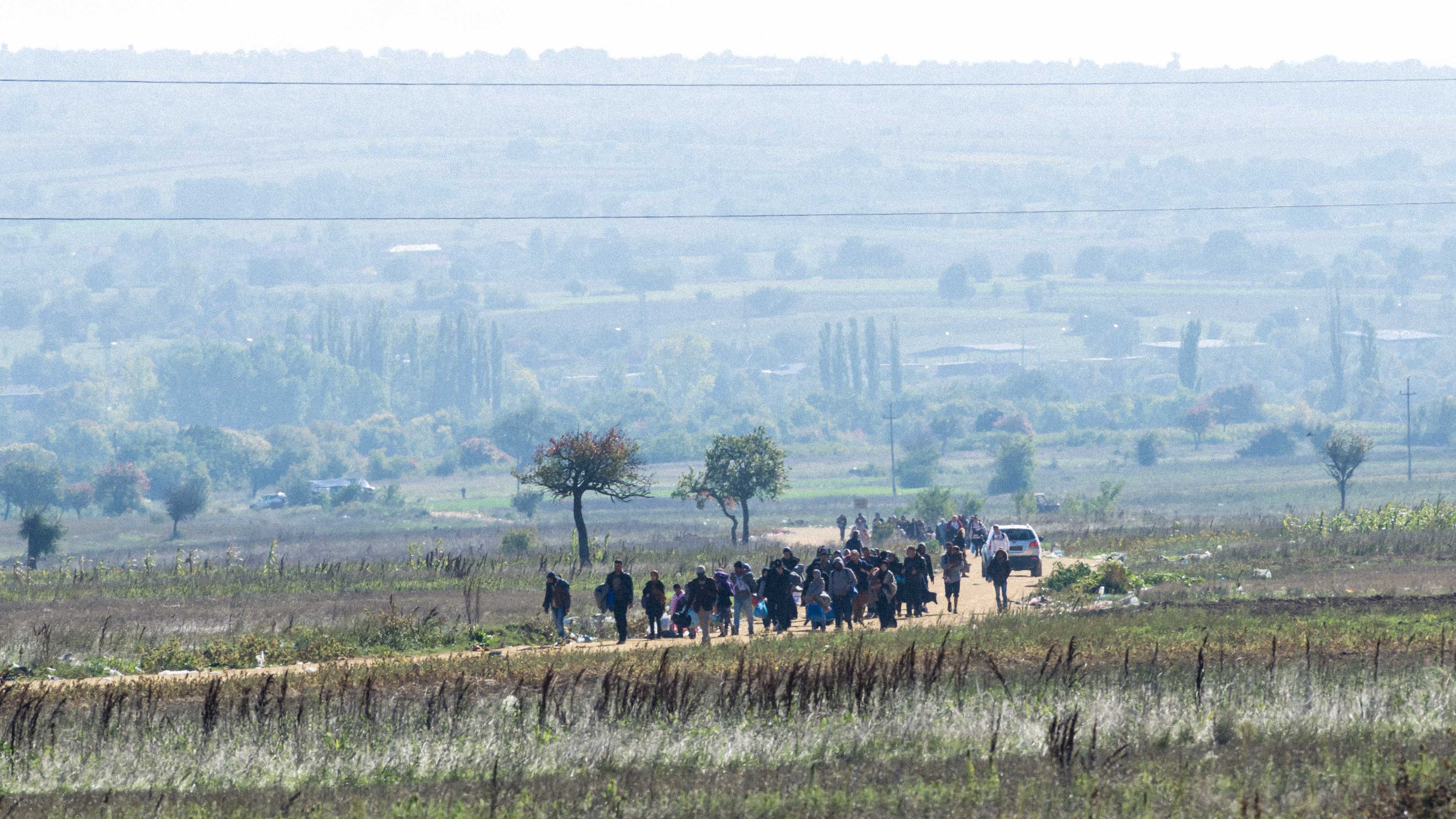
In October 2015, Jakub Górnicki traveled the full Balkan migration route - the path followed by hundreds of thousands of people crossing from Turkey into Europe and moving north toward Germany and Austria.
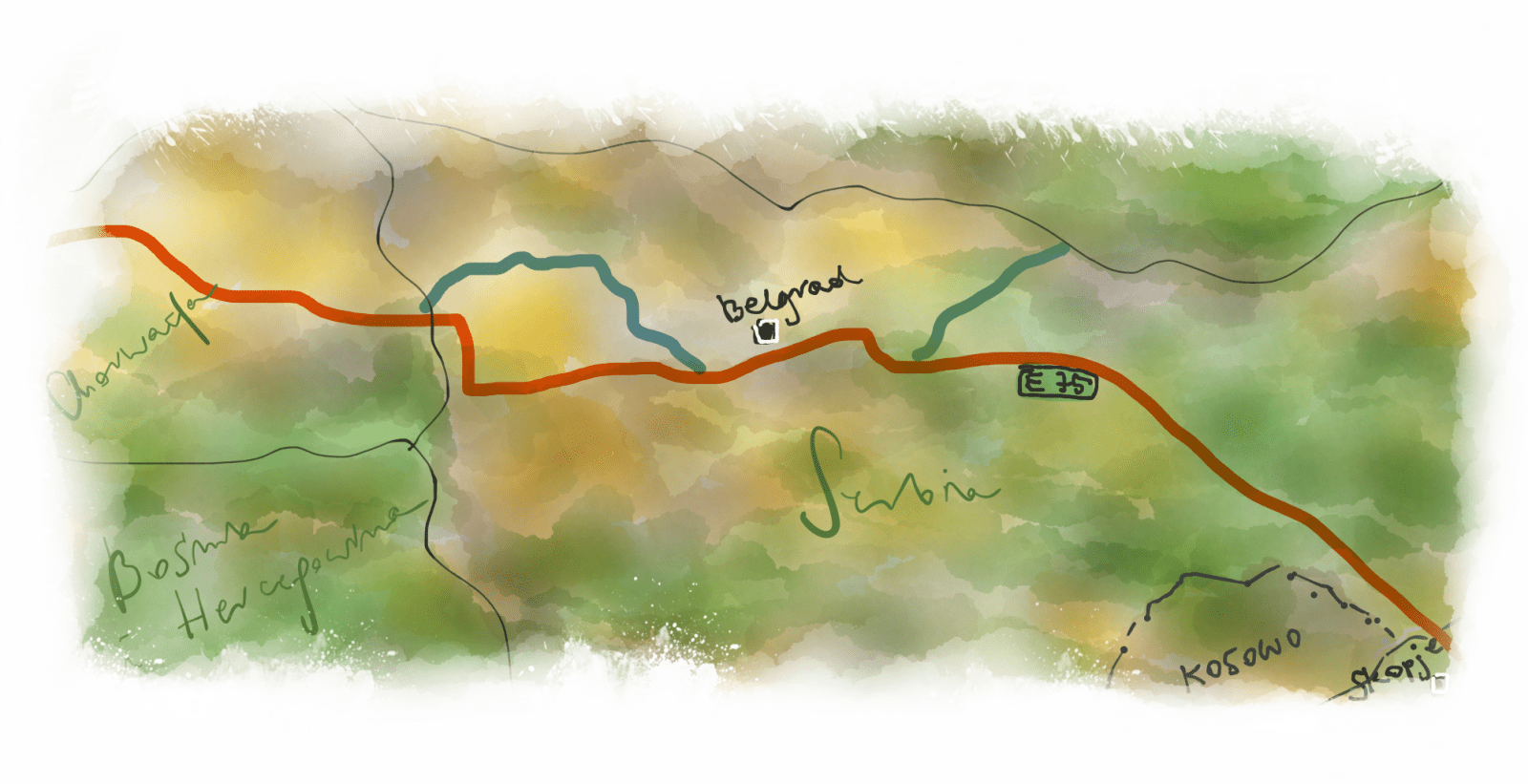
The route ran from the Greek coast through Macedonia, Serbia, and Croatia. It was not a legal corridor. It was not a safe passage. It was the fastest way.
In that single month, 220,000 people entered Europe via this route. By October 2016, the number had fallen to 30,000. The fence was built. The borders closed. The stream changed course.
This is a record of the moment it was still moving.
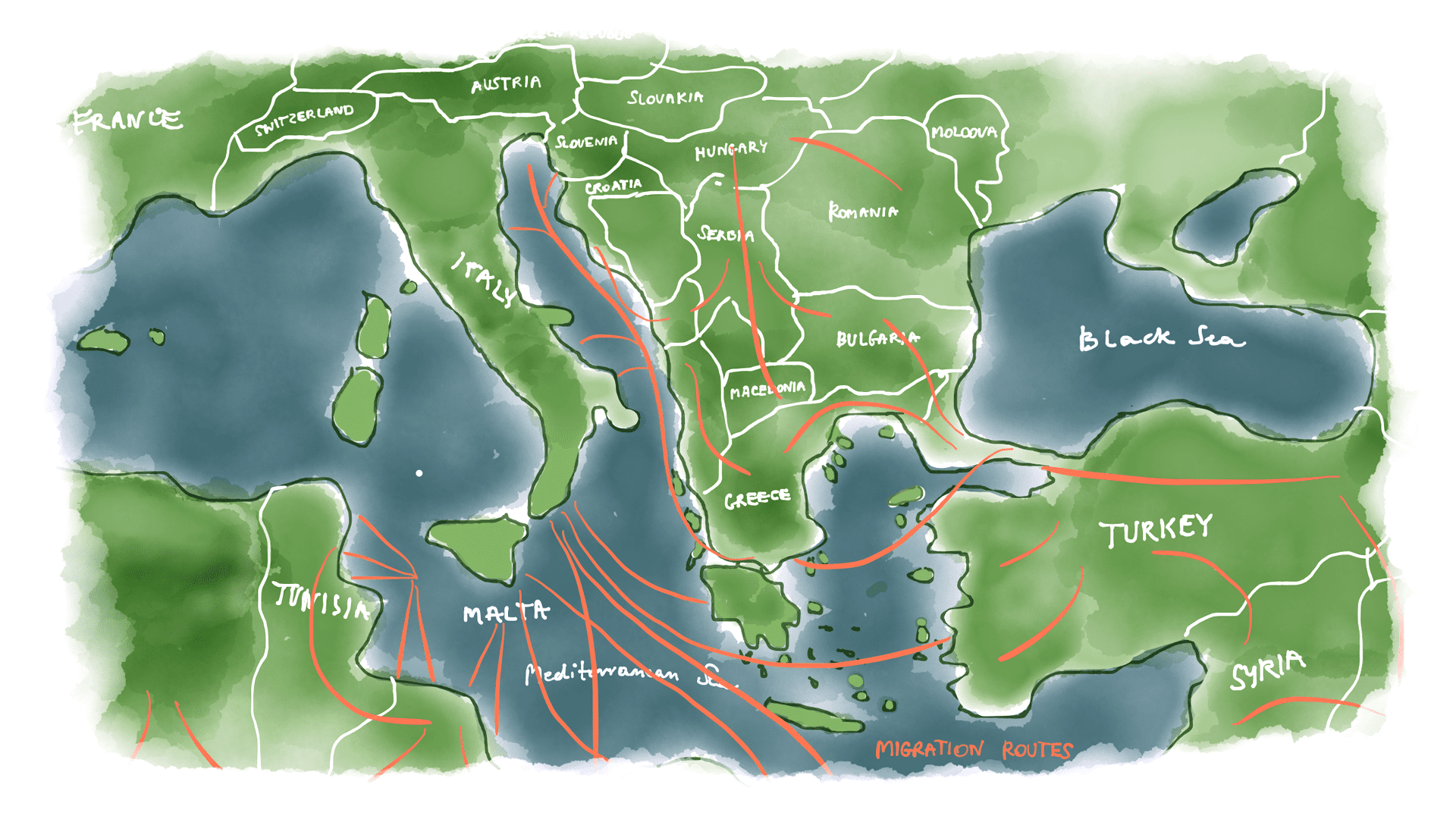
October 2015 - peak of the Balkan route
crossing Macedonia into Serbia at peak
Turkey to Greece - the most dangerous leg
"You see all of this, you will write it, but it will stay in you forever."- 17-year-old Syrian girl, Idomeni camp, October 2015
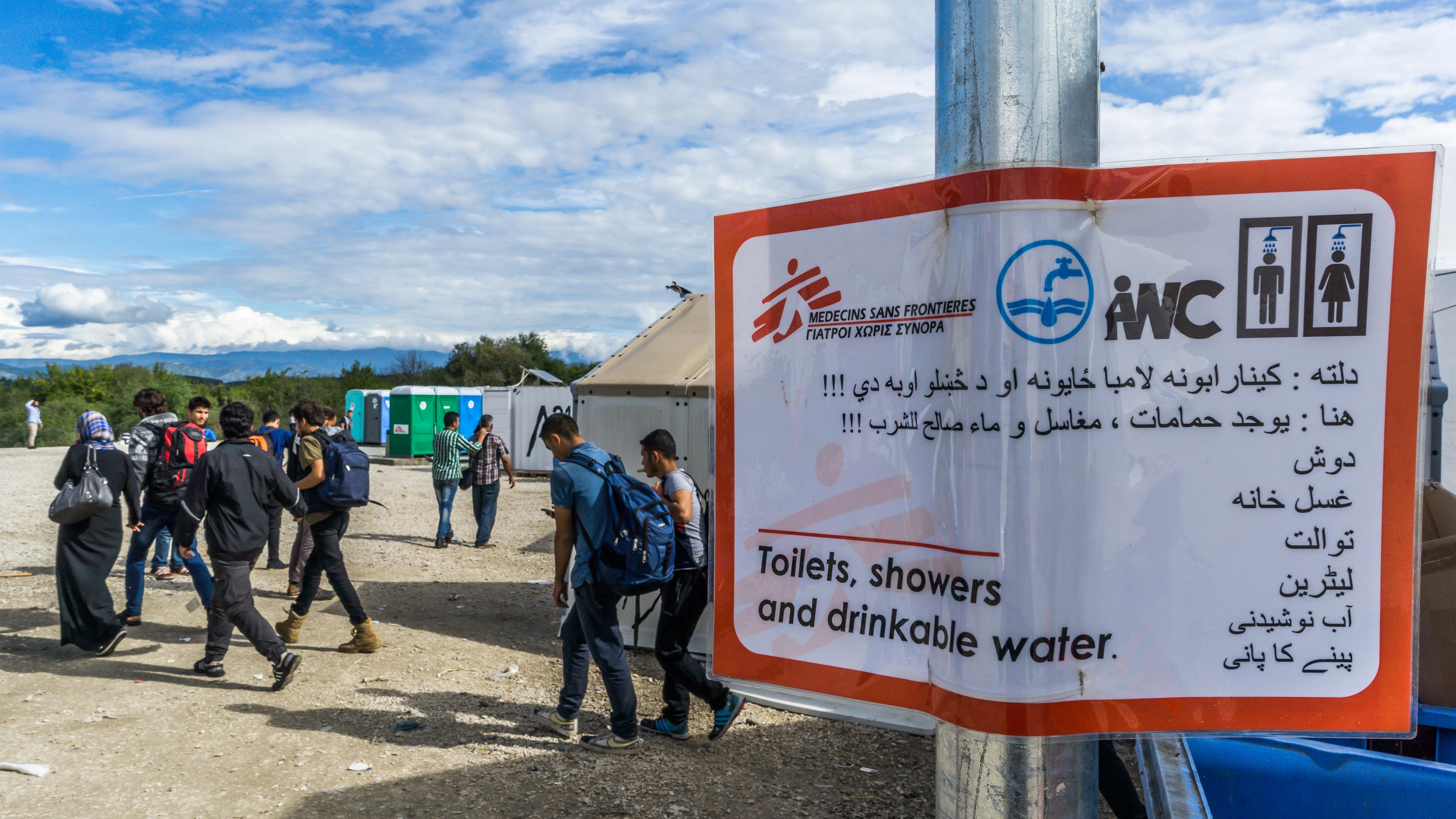
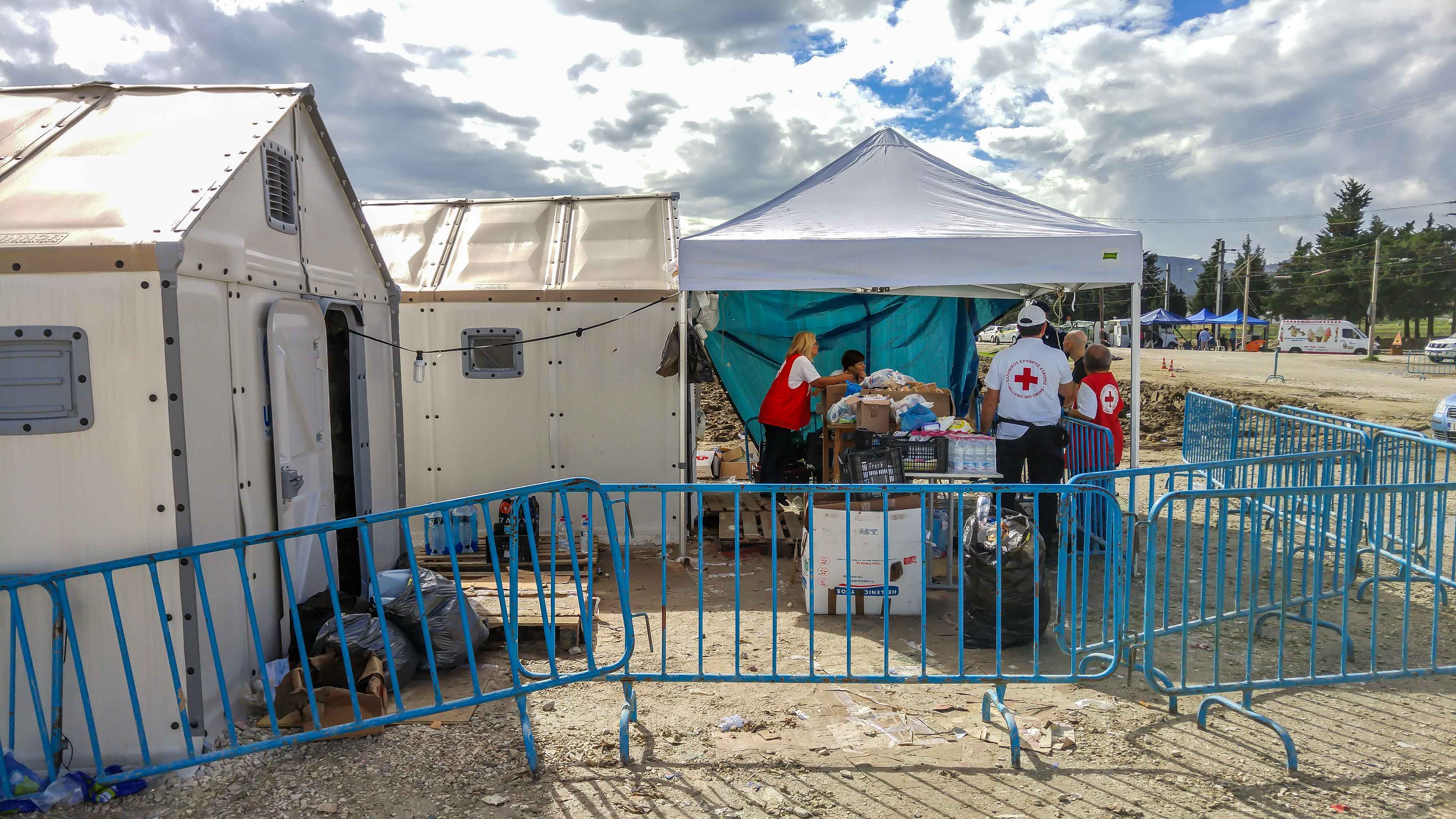
The camp at Idomeni was the best organized of the route. Groups received numbers, water, food, and a place in a tent - in that order. The logic was clear: manage stress, reduce chaos. Four large tents. Red Cross and Doctors Without Borders. A small UNHCR office counting the flow.
Two Syrian sisters, 16 and 13, asked to stand nearby through the night. There was no one else.
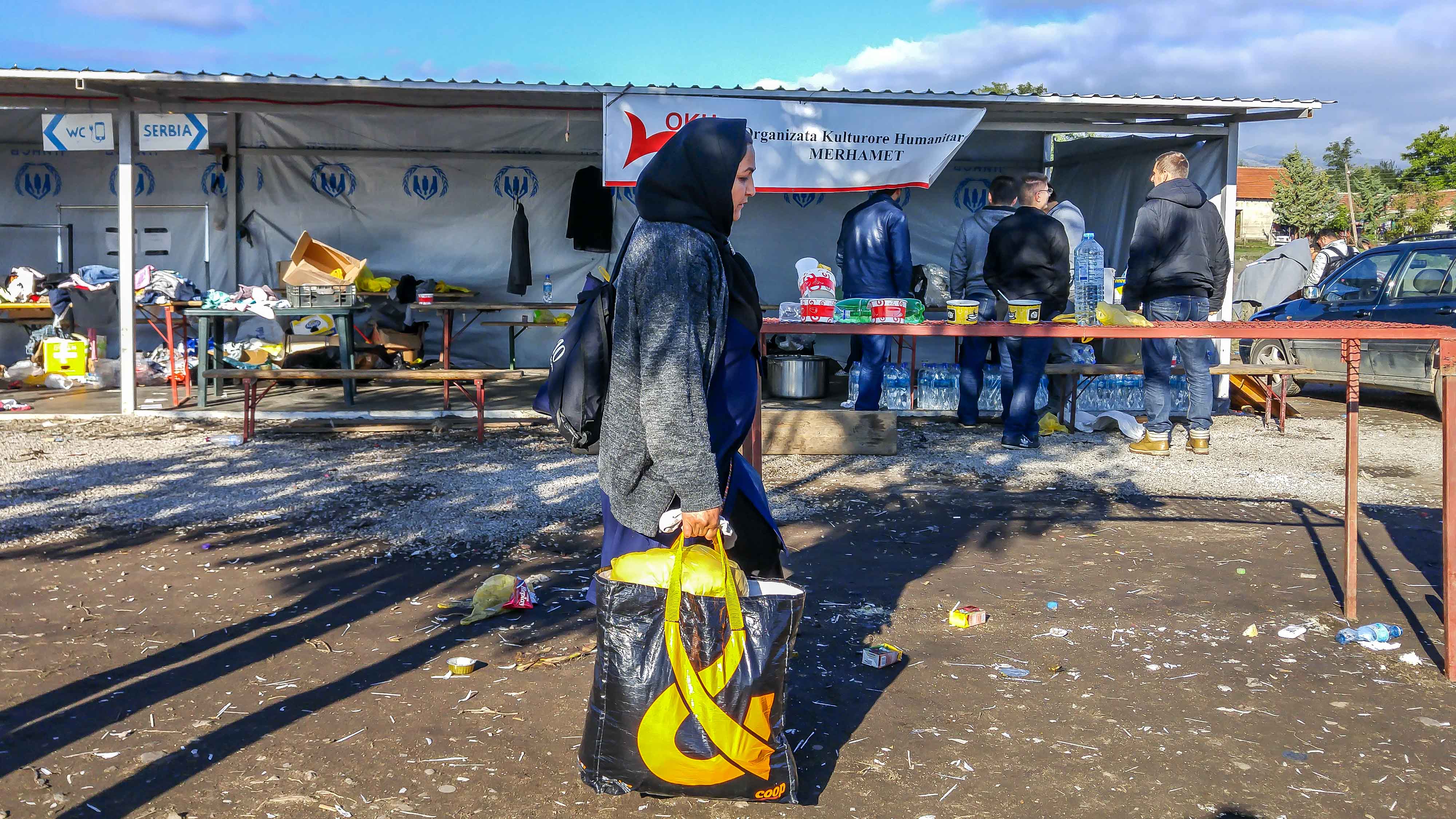
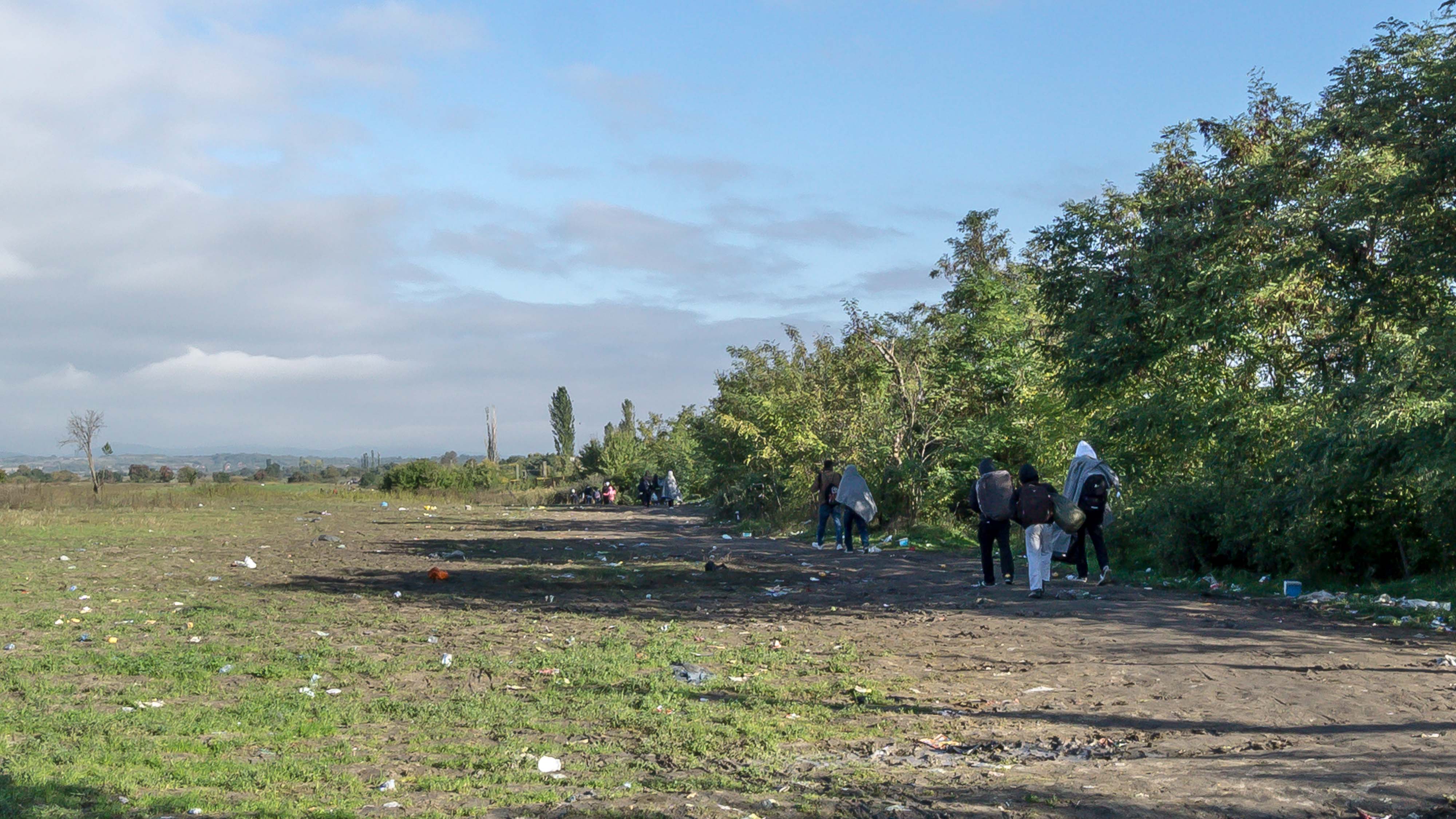
A train from Gevgelija, five hours across the country, €20 per person. Local merchants boarding at each stop - SIM cards, drinks, snacks at double the shop price. At Tabanovce station, the Red Cross camp offered a short rest before the Serbian border. Nobody stayed long.
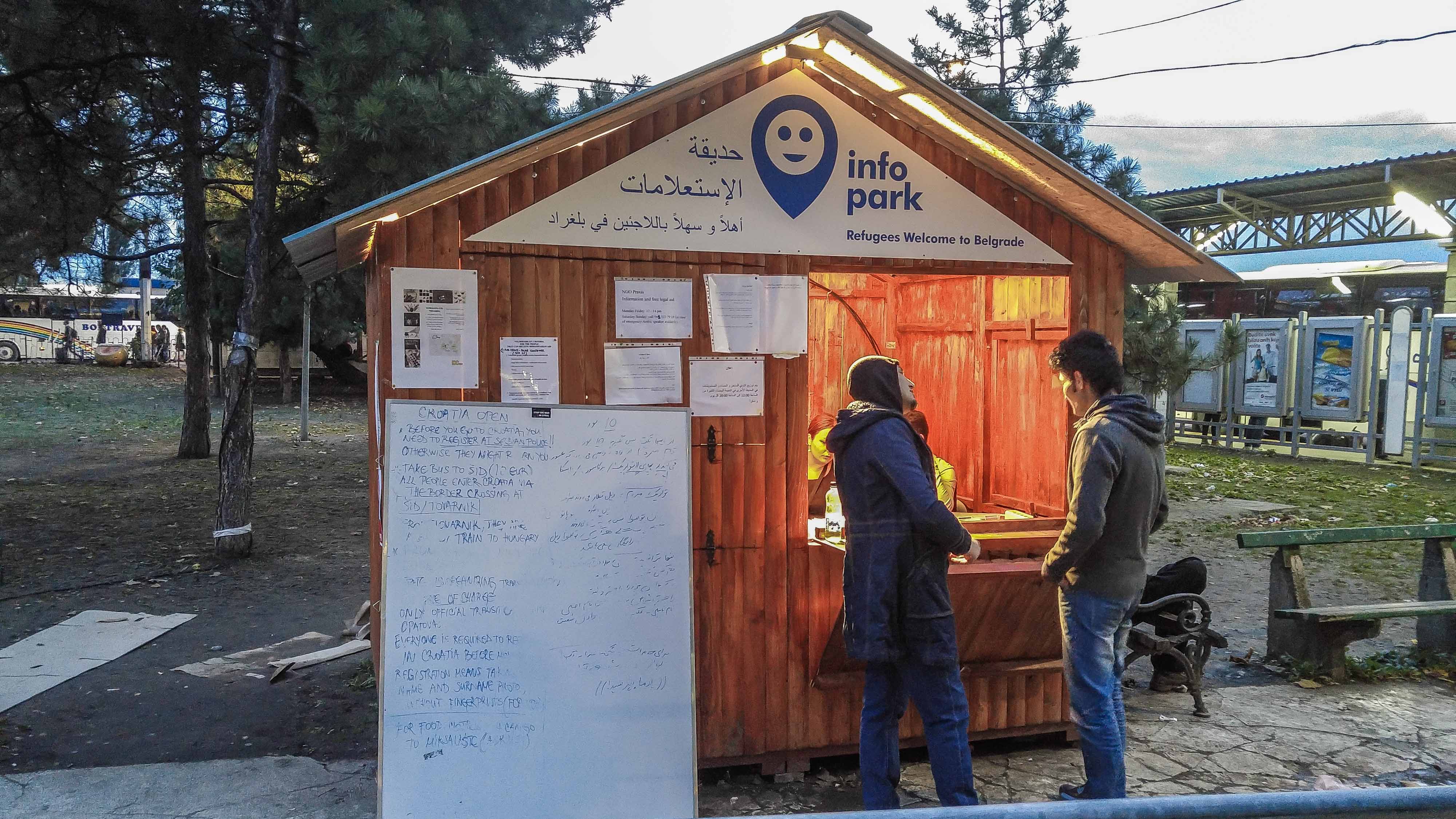
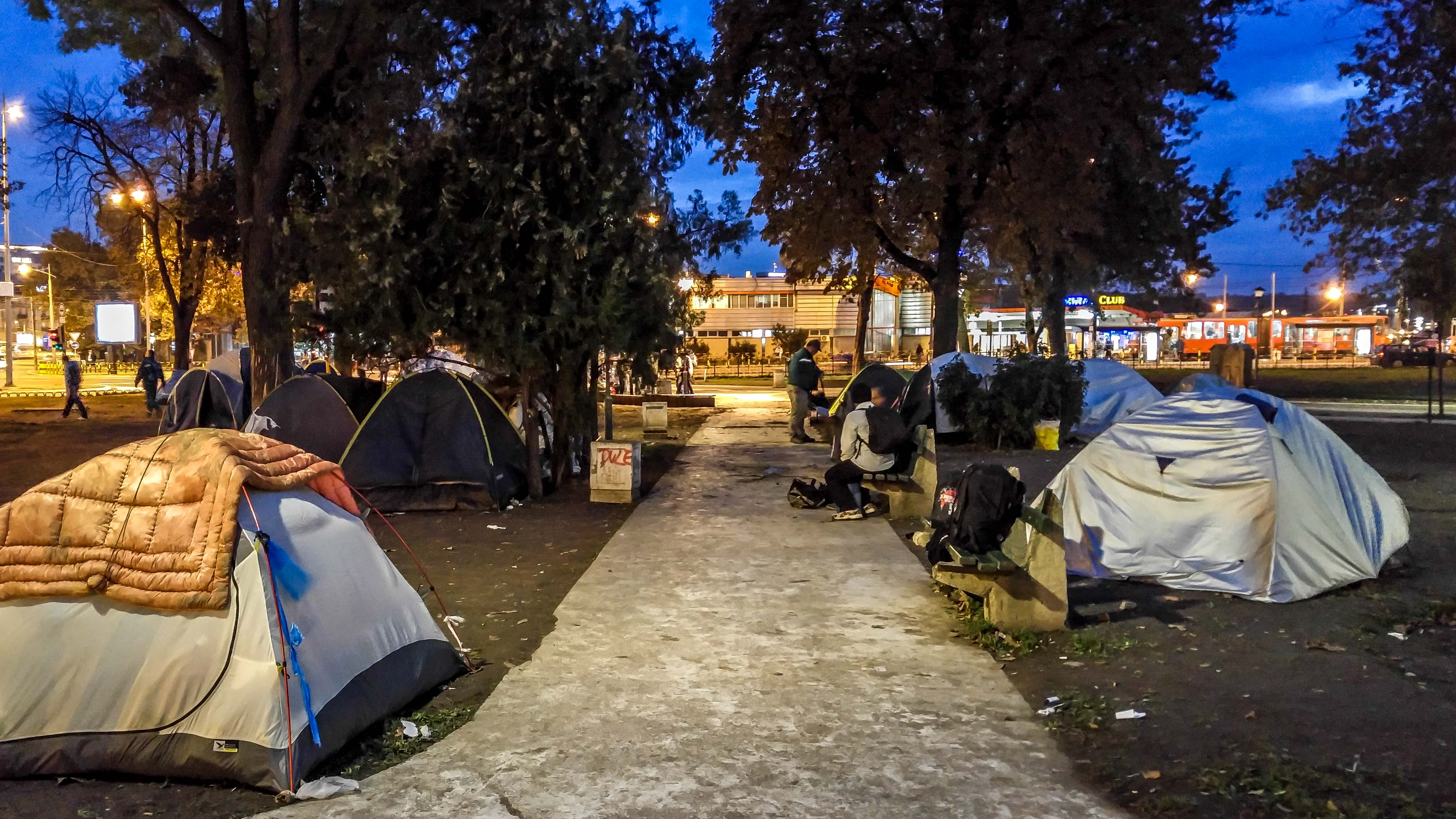
In the center of Belgrade, Bristol Park had become an information point, a food tent, a temporary city. A board on a post answered the main question: "Croatia open." The previous direction had been Hungary. Hungary had built a fence. The stream changed course.
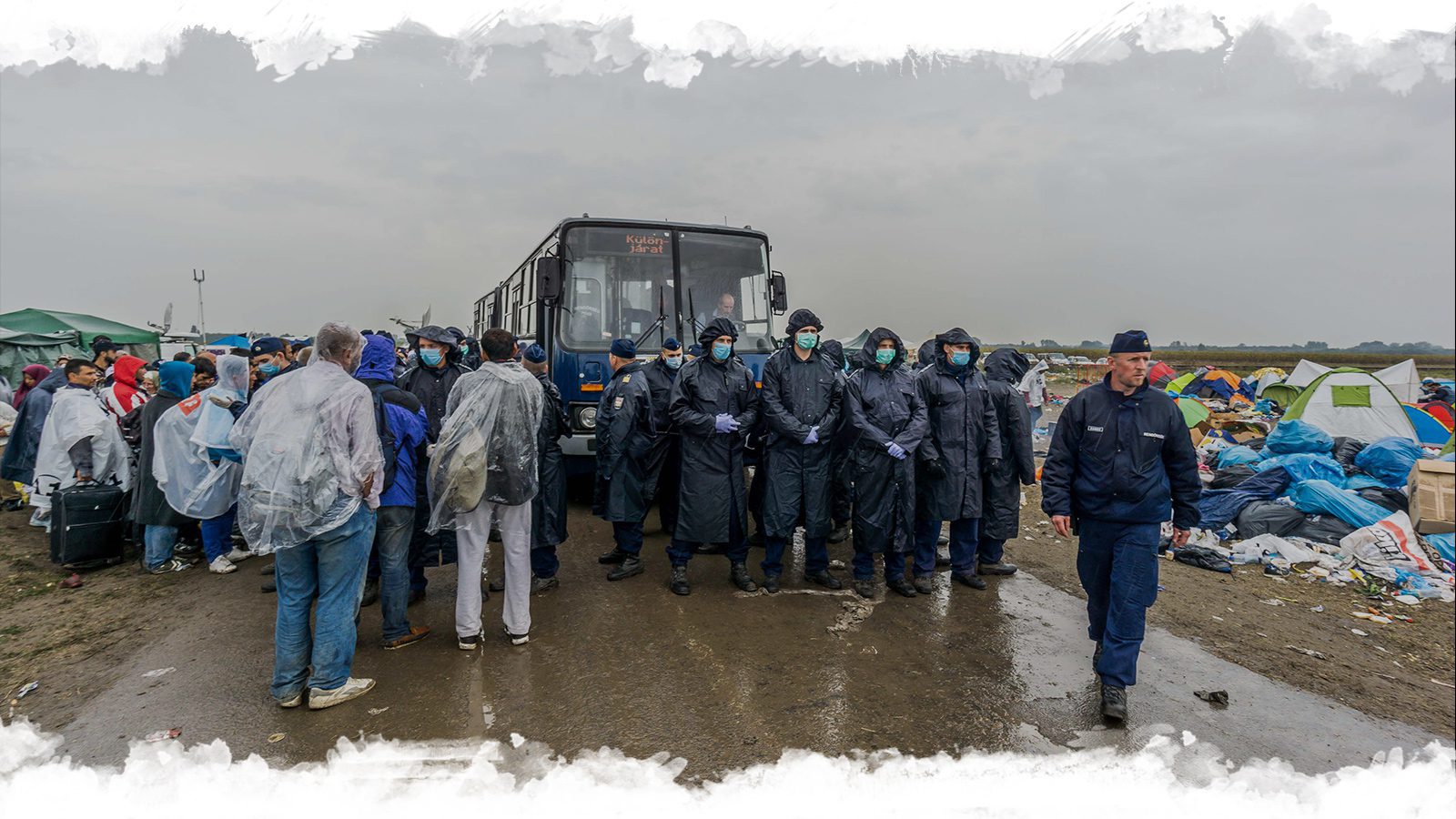
Jakub had been to Keleti station in August 2015 - when media coverage peaked. By October, the fence was up and the main route had bypassed Hungary entirely. What remained was the image problem: one photograph can change the whole narrative.
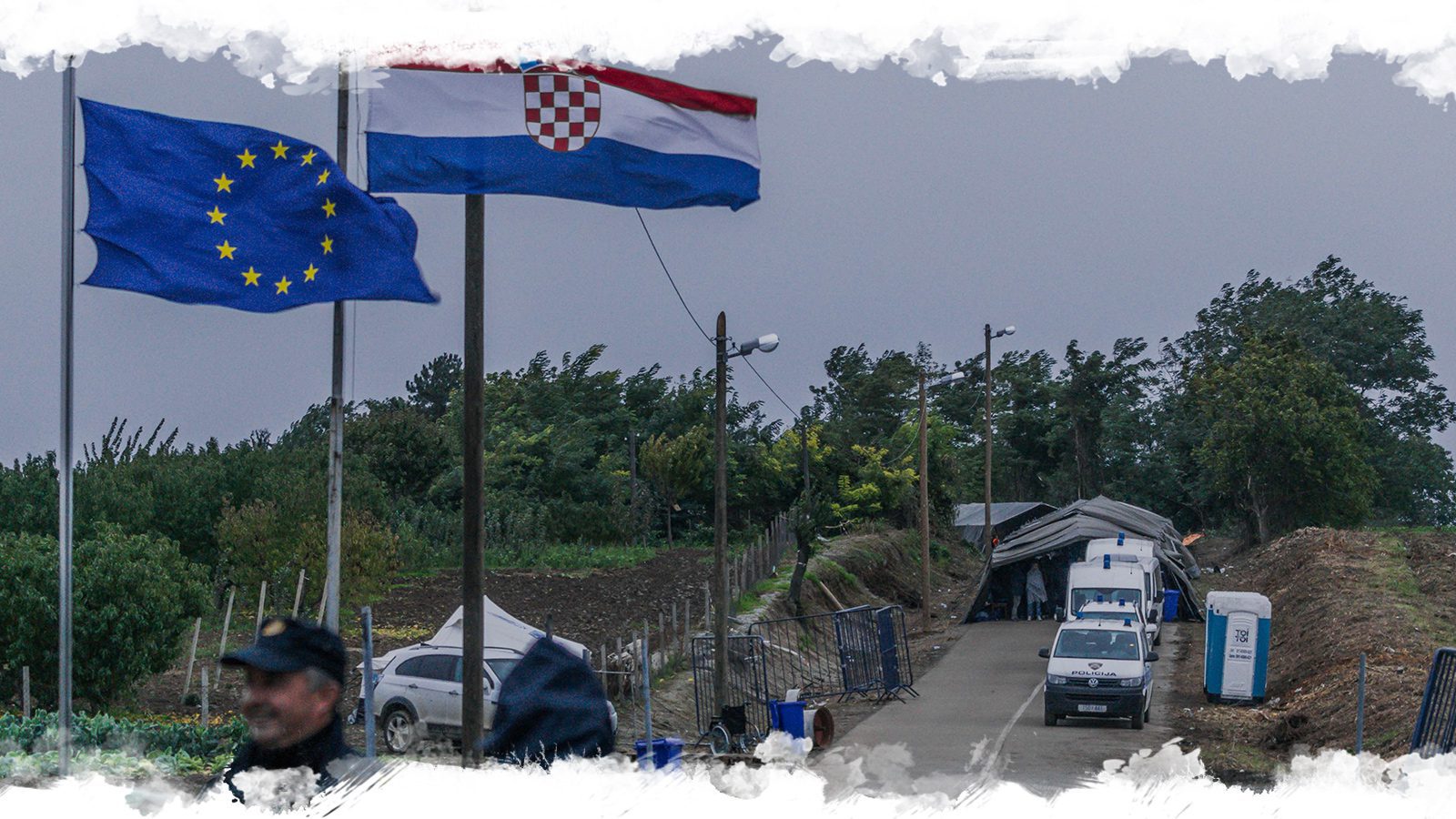
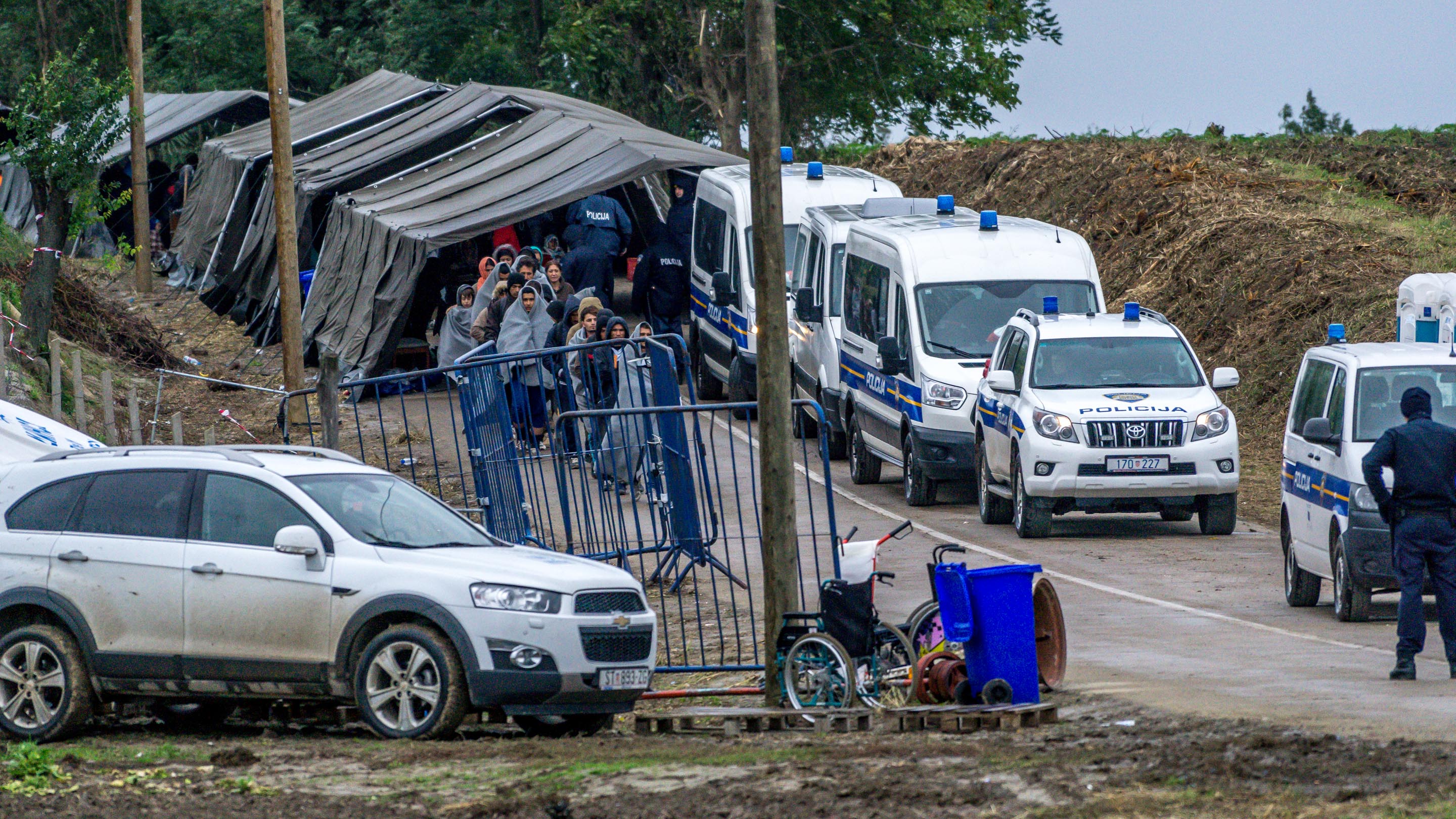
Rain. A line of tents stretching like a long snake. EU and Croatian flags. People asked about Austria and Germany. Some asked about Poland - what currency, how is life there. The question at Bapska was always the same: are you happy to be so close? Yes. But scared to be sent back.
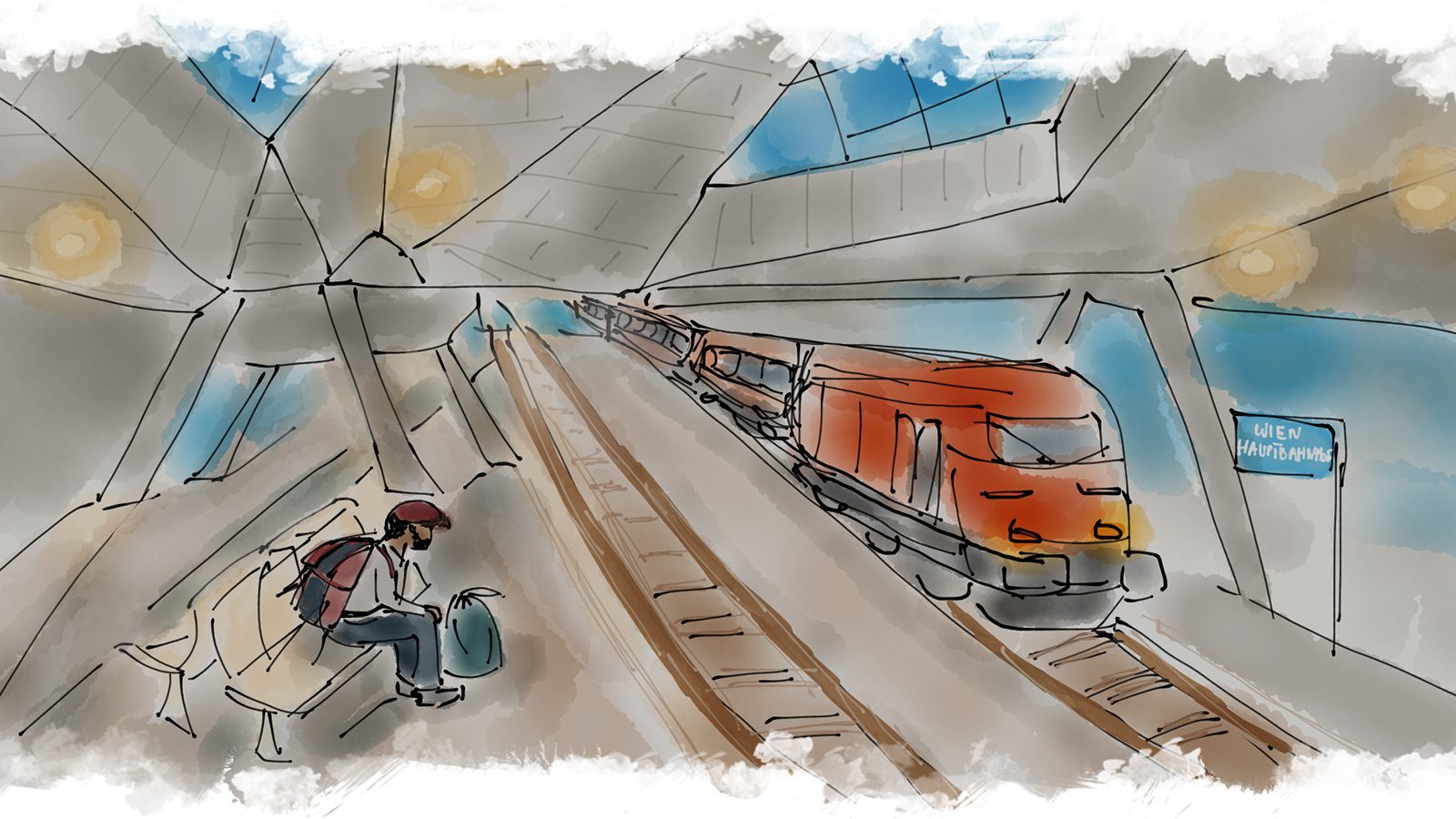
The main station. Trains not running until 5 a.m. Dozens of people trying to sleep on benches. A group of younger men who had crossed through Slovenia - Dobova, Šentilj - preparing for the last train to Germany. Smiling through exhaustion. Asked what comes next: nobody could answer.
WHAT THE ROUTE COST
Note: Source: field interviews + UNHCR staff confirmation, October 2015. Figures are per person. A family of four crossing by boat spent a minimum of USD 3,200 on that leg alone.
"I spent days trying to understand what I was looking for. What I wanted to say. What effect this story would produce. And I watched journalists with 60, 90, 120 seconds to do the same thing."- Jakub Górnicki, field notes, October 2015