
VIEW FROM SOMEWHERE
How Journalism Organizations Market Themselves
 Research commissioned by INMA
Every journalism outlet claims the same values. Every masthead makes the same promises. When the language of differentiation becomes universal, it stops differentiating anything.
In marketing theory, these are 'hygiene factors' - baseline expectations that must be met to compete, but that cannot, by themselves, create preference or loyalty. Journalism has made its core values into hygiene factors.
Leading with truth is the equivalent of a restaurant advertising that it uses food.
WHAT HAS JOURNALISM PROMISED?
Six eras. Six distinct value propositions. Each a response to a different crisis of legitimacy, competition, or technology.
PRINT ERA
Trust was implied - built into routine, geography, masthead.
BROADCAST ERA
Authority was performed - voices, faces, live transmission.
CABLE ERA
Objectivity was weaponized - competing truth claims, partisan framing.
DIGITAL ERA
Democracy was defended - journalism as civic necessity.
SUBSCRIPTION ERA
Independence was funded - readers as patrons of free press.
AI ERA
Process made visible - verification, provenance, human authorship.
Slogans are compressed statements of institutional identity. Seen together across decades and markets, they map a profession continually redefining its value proposition in response to crisis.
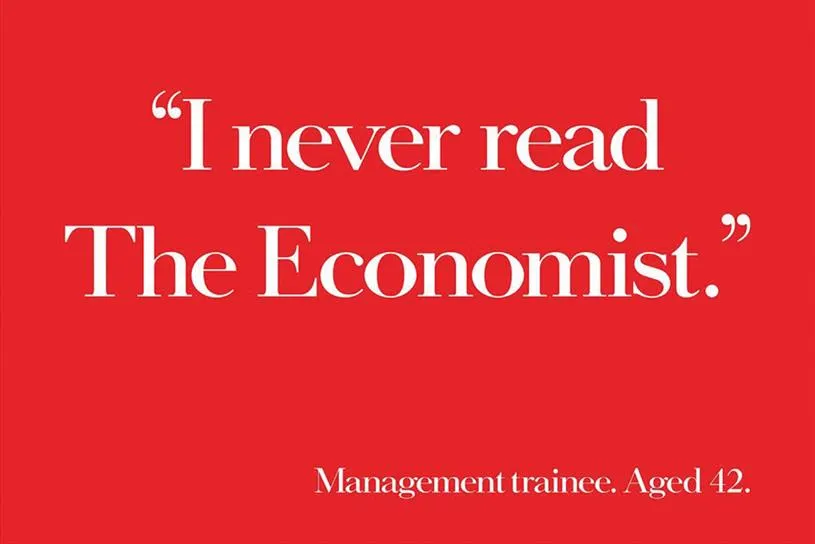
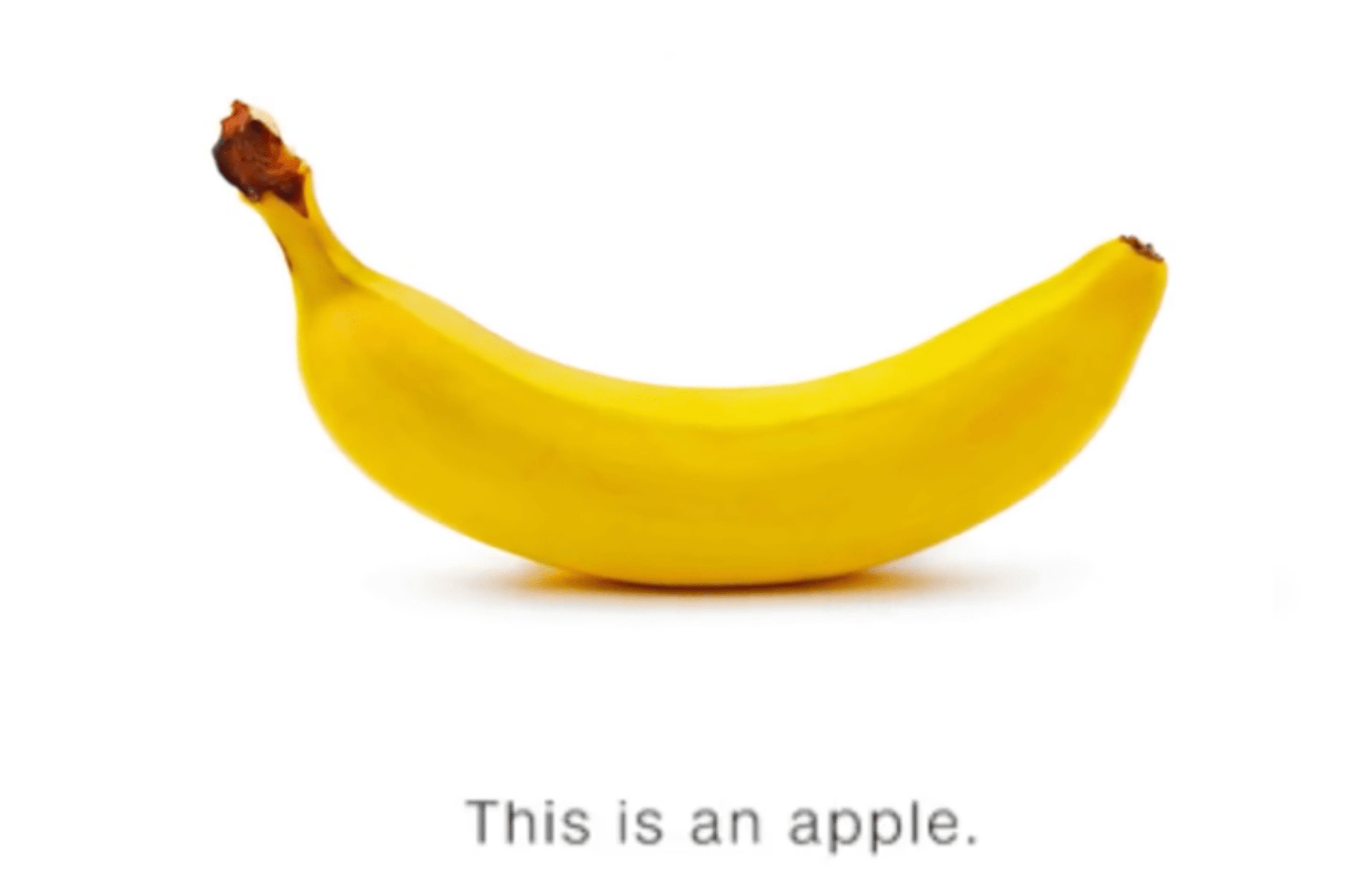
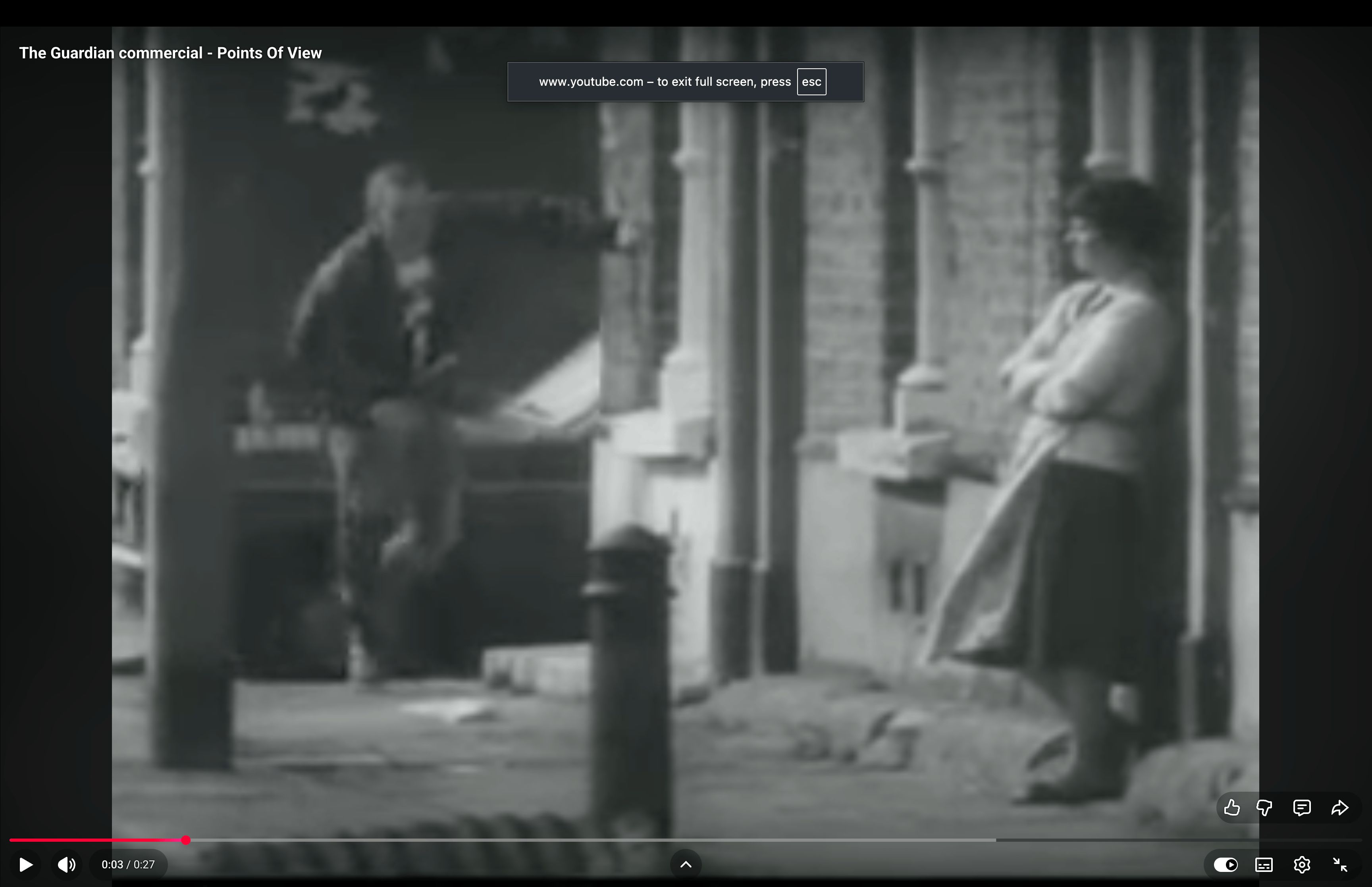
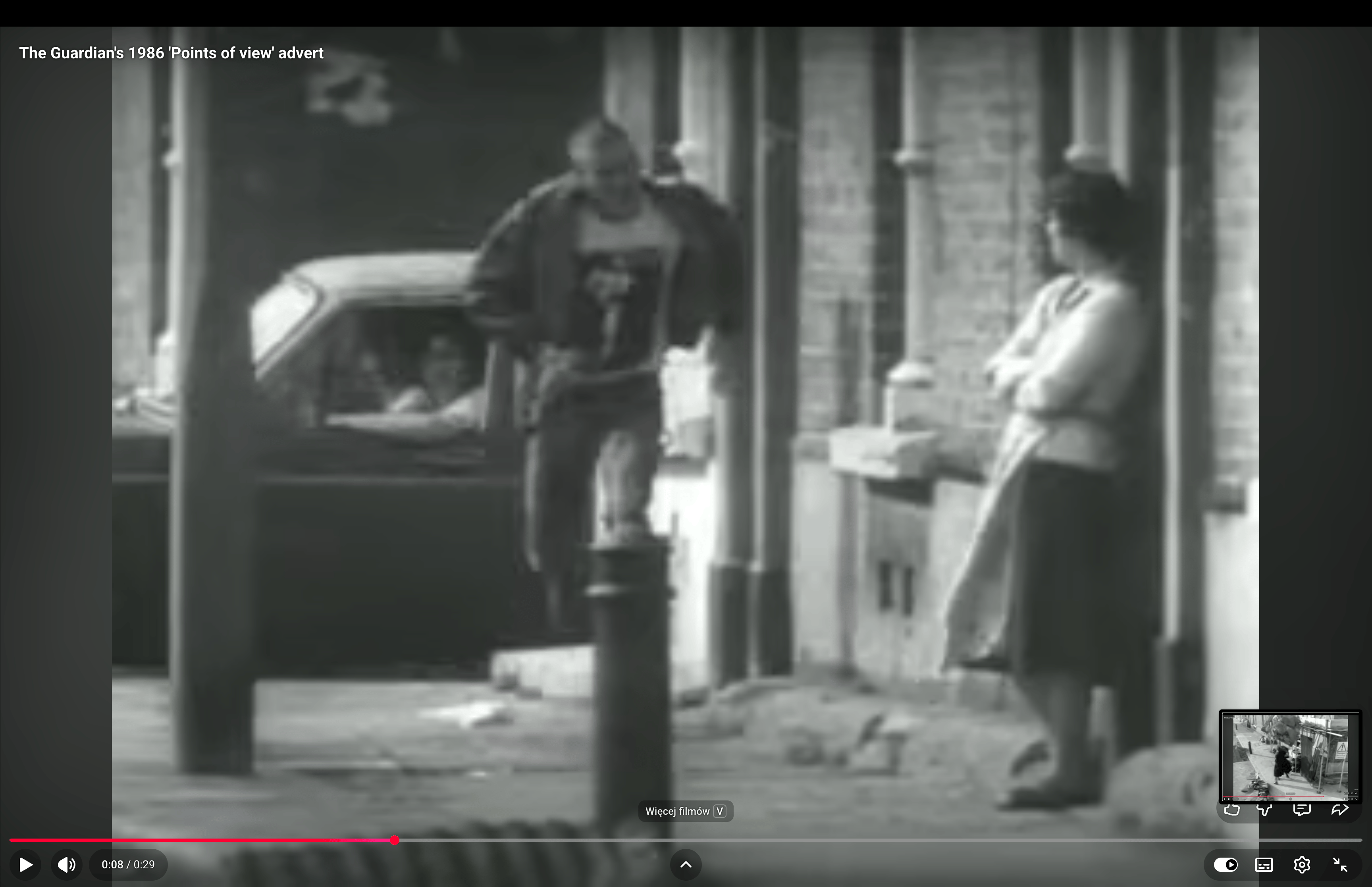
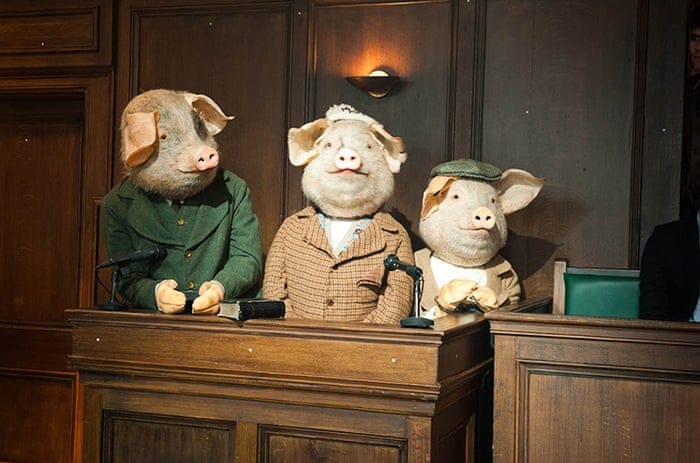
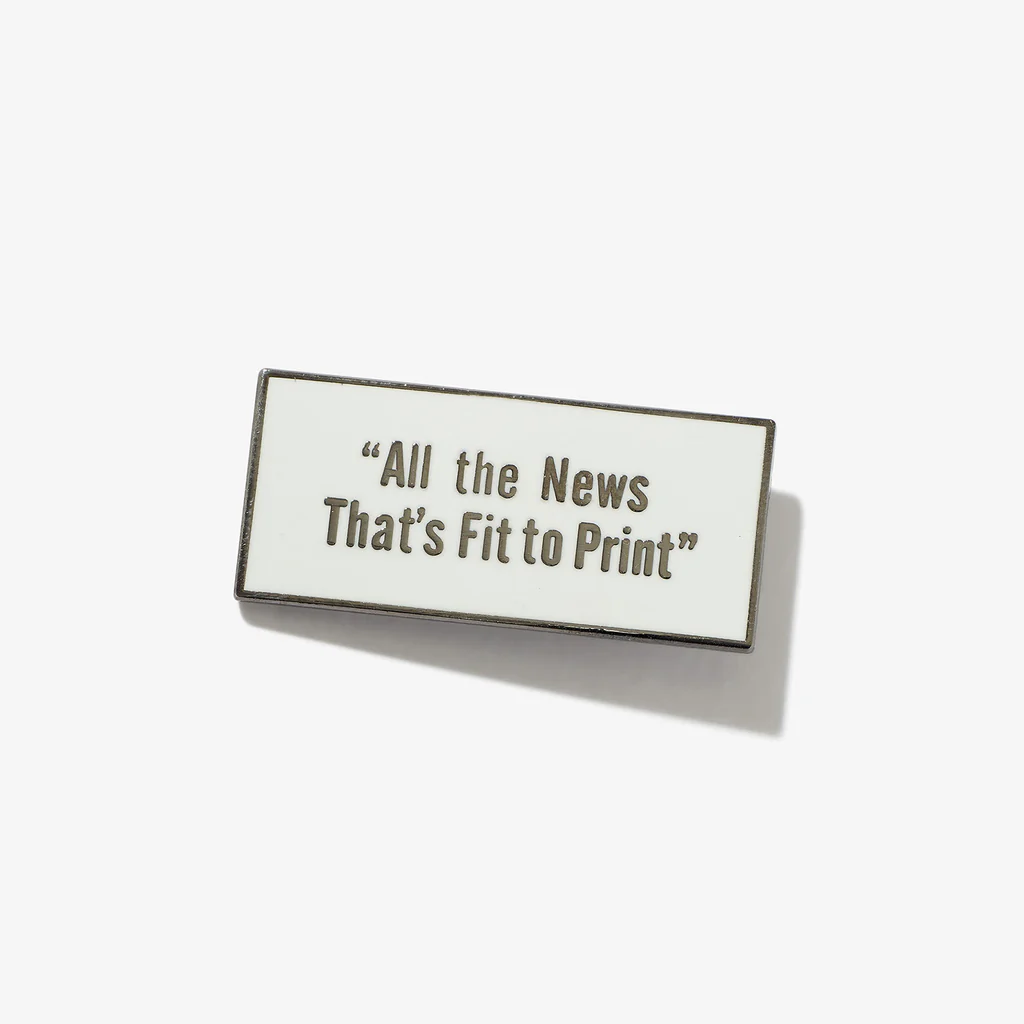

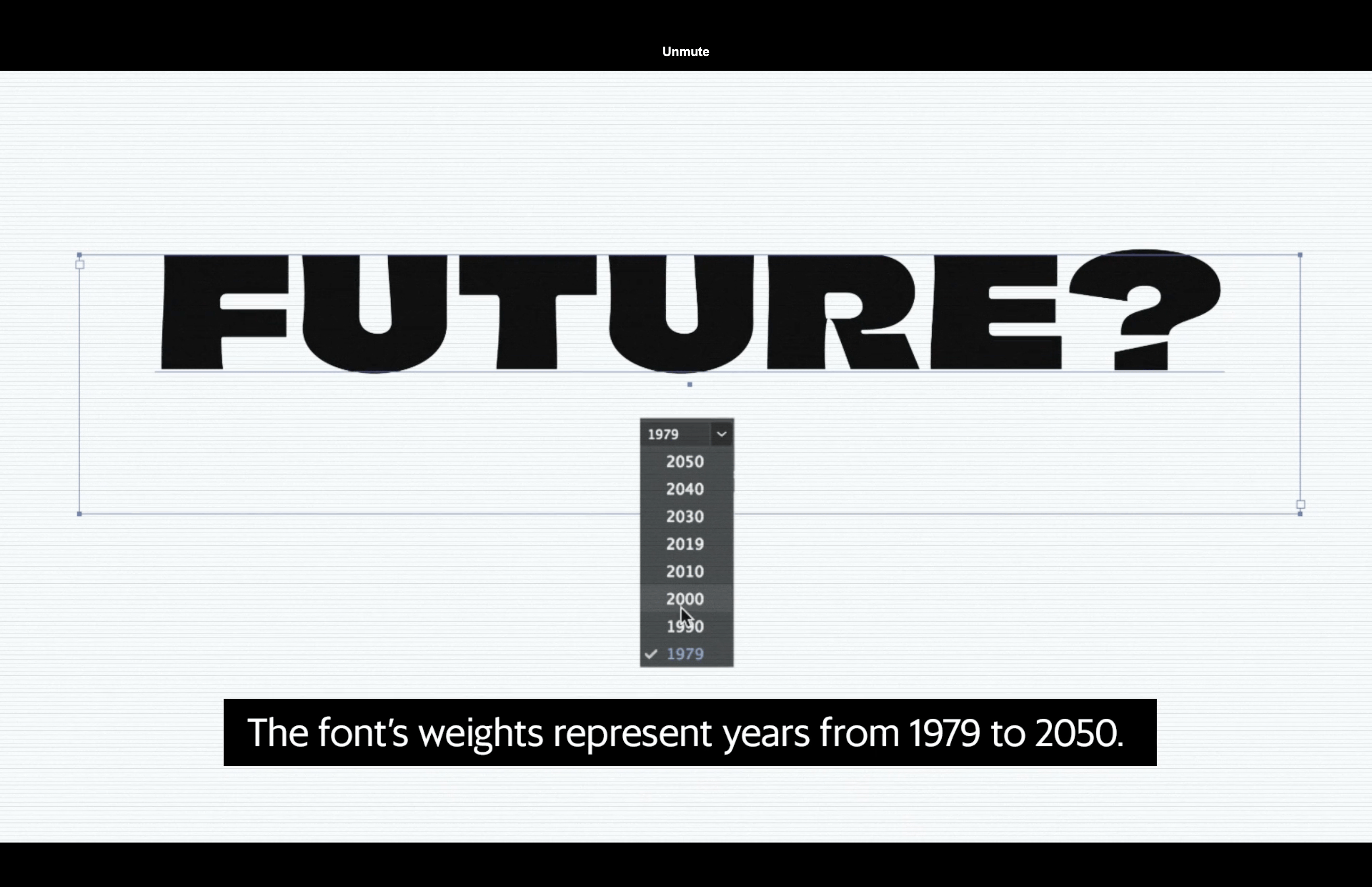

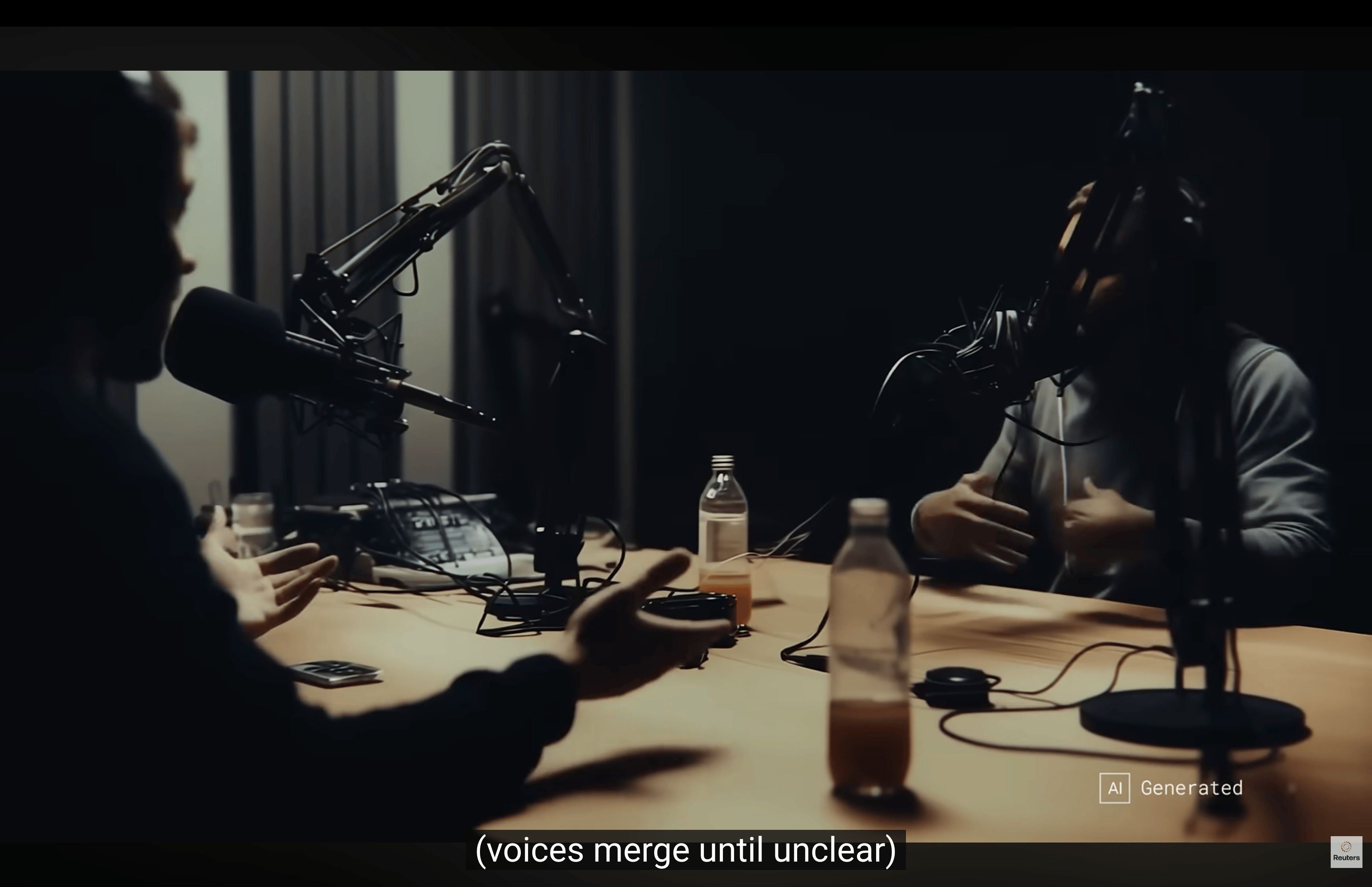

Over 4000 campaigns documented. The research was released at INMA Media Subscriptions Summit in Toronto 2026.
SHOW WHAT YOU RISKED TO GET IT.
Launched in 2018, the NYT 'Truth Is Worth It' campaign became one of the most studied examples of journalism marketing - not because of its production budget, but because of its moral clarity.
The campaign showed reporters in Iraq, Myanmar, and conflict zones - using visual minimalism, ambient sound, and notebook strikethroughs to show the cost of getting facts right. It reframed a subscription not as a media purchase, but as a civic investment.
The key insight: audiences do not want to buy journalism. They want to support something worth supporting.
FIVE DIFFERENTIATION STRATEGIES
The solution to the sea of sameness is not a new slogan. It is a fundamental reorientation - from static claims to dynamic process, from nouns to verbs, from possession to action.
WHERE BRAND PROMISES GO TO DIE.
The most significant unexploited opportunity in journalism marketing today: the gap between brand voice and conversion language.
Outlets invest years building distinctive editorial identities - 'Fighting for democracy.' 'Truth at any cost.' 'Independent. Always.' - and then abandon that identity entirely at the exact moment it matters most: when they ask a reader to pay.
'Register to keep reading.' 'Subscribe to continue.' All identity evaporates. The reader who was being recruited as a citizen becomes a transaction.
The paywall is not the end of the editorial experience. It is the most important editorial moment of all.
LET'S BUILD SOMETHING FOR YOUR PUBLICATION.
This research is available as the foundation for a special project. Jakub works with publishers to apply these findings - building immersive, differentiated journalism and brand experiences that cut through the sea of sameness.
He is the co-founder of Outriders, a Warsaw-based global journalism collective covering armed conflict, migration, and the climate crisis. He has produced INMA-recognized special projects in collaboration with Wirtualna Polska, Gazeta.pl, and the Dallas Morning News. He is a winner of the Paszport Polityki - Poland's most prestigious cultural award - in the Digital Culture category.